
Davis Convicted of Tupac Shakur Murder After 30 Years
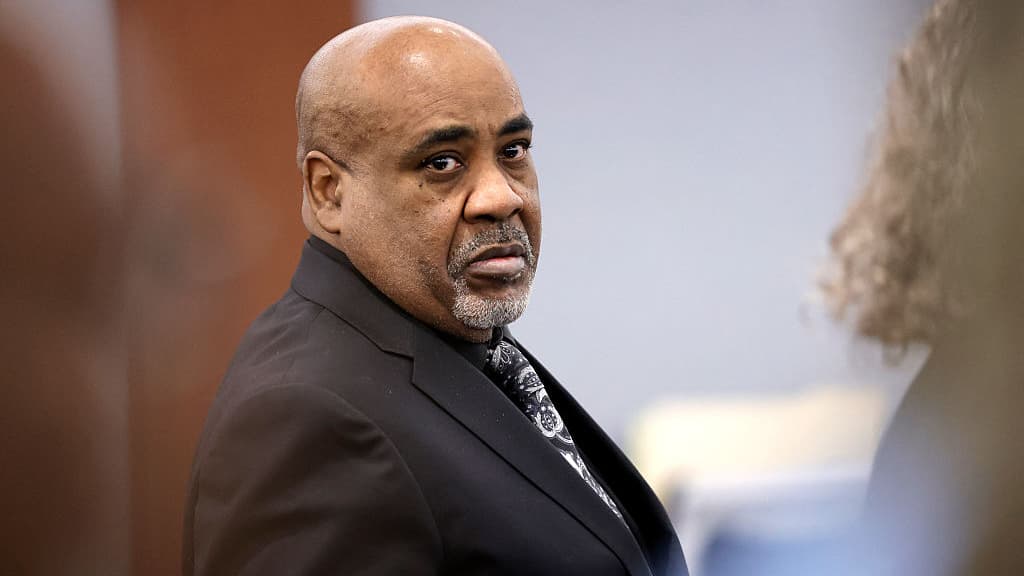
Cover image from time.com, which was analyzed for this article
A Las Vegas jury found the former gang leader guilty of first-degree murder in the 1996 killing, using his memoir as key evidence. Outlets across leans reported the verdict and its cultural resonance.
PoliticalOS
Tuesday, September 1, 2026 — Politics
The conviction rests almost entirely on Davis’s own repeated public and recorded statements rather than new physical evidence. Nevada aiding-and-abetting law allowed the jury to hold him responsible without proof he fired the gun, ending a 30-year cold case that had produced no prior charges.
What outlets missed
Most reports omitted the precise reason prosecutors dropped the gang-enhancement allegation after the verdict: witness logistics that made a second phase impractical. Few noted the 2008 statements were given under a proffer agreement Davis believed shielded him from prosecution. Coverage also underplayed the nine-day trial length, the 24 prosecution witnesses versus three for the defense, and the absence of any hotel surveillance or phone records placing Davis at the scene. The dropped enhancement removes the possibility of an additional prison term tied to gang activity.
Former Gang Leader Convicted in Tupac Shakur Killing After 30 Years
A Las Vegas jury convicted Duane Keith Davis on Monday of first-degree murder with a deadly weapon for orchestrating the 1996 drive-by shooting that killed rapper Tupac Shakur, marking the first conviction in one of the most prominent unsolved cases in modern American criminal justice. Davis, 63 and a former leader of the South Side Compton Crips, faces a possible life sentence at his October 13 hearing. He immediately signaled plans to appeal.
The verdict came after less than three hours of deliberation following an 11-day trial that relied primarily on statements Davis himself made over the years, including in his 2019 memoir Compton Street Legend. Prosecutors presented recordings from a 2008 police interview in which Davis described riding in the white Cadillac from which shots were fired at Shakur and Marion Suge Knight outside the MGM Grand after a Mike Tyson fight. He did not claim to have fired the weapon himself. Instead, the state argued that Davis supplied the gun and directed the attack in retaliation for an earlier beating of his nephew Orlando Anderson by Shakur's entourage. Anderson, identified by prosecutors as the shooter, was killed in an unrelated incident in 1998.
The case illustrates how self-incriminating accounts intended for public consumption can eventually close long-dormant investigations. Las Vegas police had faced repeated criticism for failing to aggressively pursue leads in the immediate aftermath of the killing, including from witnesses who later died. The revival of the inquiry after Davis published his book underscores the unusual path this prosecution took, one that hinged less on new forensic evidence than on the defendant's own detailed recounting of events tied to the longstanding rivalry between Crips sets and the Mob Piru Bloods affiliated with Death Row Records.
Shakur was 25 at the time of his death and had already become a defining voice in hip-hop, with lyrics that addressed police violence, systemic inequality, and urban life in ways that resonated far beyond the genre's core audience. His killing occurred at the height of the East Coast-West Coast rap tensions and amid the broader crack-era gang conflicts that shaped policing and incarceration policies in California and across the country during the 1990s. Those dynamics produced both high-profile victims and persistent investigative shortfalls, as witnesses navigated complex loyalties and fears of retaliation.
Davis's defense maintained that his accounts were exaggerated or fabricated for book sales and media attention. The jury ultimately rejected that framing, focusing instead on the consistency of his placement inside the car across multiple tellings. Shakur's family members, present in court, expressed a sense of long-delayed closure. His cousin Zayd Akinyela noted outside the proceedings that many families never receive answers about how their loved ones died, a reality that has particular weight in communities where violence intersects with under-resourced investigations.
The conviction does not resolve every question surrounding the case, including the full chain of responsibility or the role of other figures who have been named in prior speculation. It does, however, demonstrate how prosecutorial strategy can adapt when traditional evidence has long since disappeared. Davis was arrested in 2023 after authorities built a case around his public statements rather than contemporaneous witness testimony that had grown cold. The outcome reflects both the durability of certain narratives in hip-hop history and the criminal justice system's occasional reliance on defendants' own records when other avenues have closed.
You just read Liberal's take. Want to read what actually happened?
More in Politics
Democrats Flip Senate, Expand House Majority in Midterms
Democrats flipped the Senate and expanded their House majority in a major rebuke to President Trump and Republicans. Key victories included multiple Senate seats and state-level wins that ended long-standing GOP dominance in places like Texas.
GOP Losses Spur Blame, Vance Distancing, 2028 Maneuvers
Republicans are pointing fingers internally after heavy losses, with Vice President JD Vance distancing himself from Trump over the Iran war and positioning for a potential 2028 run. Challengers within the party are already sensing opportunity.
Democrats Take House and Senate Amid Record Midterm Turnout
Democrats achieved decisive gains in the 2026 midterms, flipping seats to take control of both chambers. Coverage highlights historic turnout and implications for the Trump administration.
Democrats Take House and Senate, Constraining Trump
Democrats flipped both the House and Senate in a major rebuke to President Trump and Republicans. The results create divided government and set up battles over spending, oversight, and foreign policy for the remainder of Trump's term.
The Compass
You just read five takes on one story.
What's your take? Find your political shape in a few minutes.
Take the test