
Ukraine Strikes Russian Refinery After Trump-Backed Truce Collapses
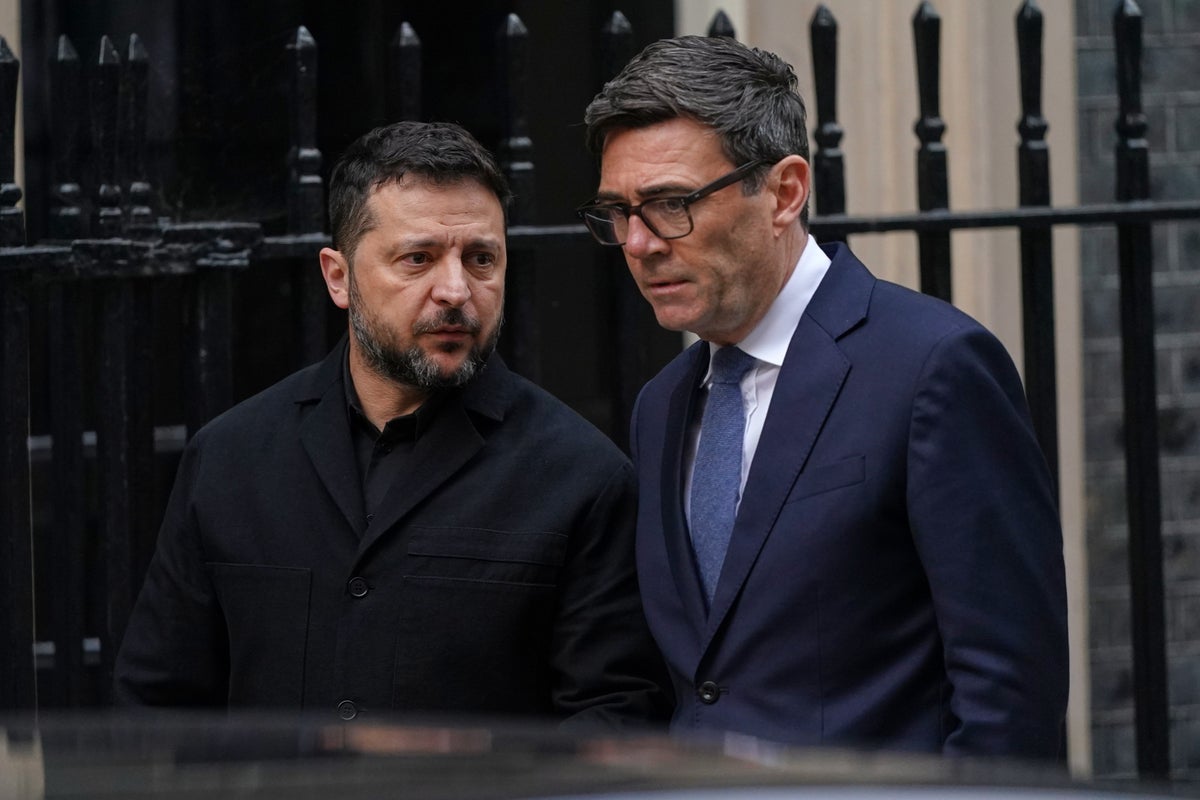
Cover image from independent.co.uk, which was analyzed for this article
Ukraine launched new drone attacks on Russian refineries after a brief truce, with Zelenskyy accusing the US of withdrawing support. Russia responded with its own strikes as the conflict intersects with US midterm politics.
PoliticalOS
Thursday, October 15, 2026 — Politics
The core development is Ukraine’s decision to resume refinery strikes once Russian attacks on its energy grid continued, set against unverified Ukrainian claims of reduced US intelligence support and Trump’s separate push for lower fuel prices ahead of US midterms. Readers should track whether satellite-warning gaps or additional Patriot systems actually materialize rather than treating any single government statement as settled fact.
What outlets missed
No outlet supplied independent confirmation of damage at the Ryazan refinery or casualty counts from either side. The precise duration of Ukraine’s earlier suspension of strikes was stated only as “several days” without a start date. Trump’s proposed diesel import volume of 1.8 million tonnes and its legal status under existing sanctions received no detailed examination. European reactions beyond a single Dutch statement were summarized rather than quoted. The technical specifications of the Flamingo missiles cited by Russia appeared in only one dispatch.
Trump Seeks Fuel Price Relief With Russian Diesel Imports as Ukraine Conflict Persists
The United States has suspended sanctions on Russian fuel imports for six months under a deal allowing purchases of diesel at market prices, a move aimed at addressing rising energy costs amid the ongoing Russia-Ukraine war. The arrangement follows President Donald Trump's unilateral announcement of an energy ceasefire last weekend, which Ukraine initially observed before resuming strikes on Russian oil facilities.
Ukrainian forces launched drones and missiles at a refinery in Russia's Ryazan region early Thursday, according to statements from Moscow's Defense Ministry and a senior Ukrainian official. Russian air defenses intercepted most of the incoming weapons, though debris caused a localized fire. Ukraine's president, Volodymyr Zelenskyy, had declared the brief halt in attacks on Russian energy infrastructure over, citing continued Russian strikes on Ukrainian targets and reduced American intelligence sharing.
The diesel purchase provision seeks to stabilize global fuel supplies, which have faced pressure from refinery disruptions on both sides. Trump administration officials have argued that sustained attacks on energy infrastructure drive up prices without advancing a resolution. Ukraine suspended its refinery strikes for several days after the ceasefire announcement but resumed them once Russian operations continued.
Zelenskyy has accused Washington of weakening Ukraine's battlefield position by withholding satellite data on incoming Russian missiles. Such intelligence typically provides several minutes of warning time beyond what ground radars can achieve. Trump has rejected claims that the United States stopped sharing this information, stating that standard cooperation remains in place.
The episode highlights differing priorities between the two governments. American policy has emphasized reducing the economic burdens of prolonged conflict on domestic consumers, while Ukrainian leadership has pressed for uninterrupted support regardless of escalation risks. Historical patterns in similar disputes show that external backing can extend fighting when neither side faces decisive pressure to negotiate.
Russian responses to the ceasefire announcement included further strikes on Ukrainian power sites, consistent with Moscow's pattern of testing limits when concessions appear one-sided. Ukrainian officials confirmed the return to refinery targeting as a direct reply. Data from prior phases of the war indicate that mutual restraint on energy assets has proven short-lived without enforcement mechanisms or territorial concessions.
Observers have floated various explanations for Trump's approach, ranging from standard diplomatic maneuvering to unsubstantiated personal leverage theories. No verified evidence of blackmail has surfaced in public records despite years of scrutiny. Policy incentives offer a simpler account: American voters respond to gasoline and heating costs, and administrations often adjust sanctions accordingly when domestic effects become acute.
Ukraine's reliance on Western aid has grown over time, yet battlefield realities continue to favor attrition over quick victories for either side. Past interventions in comparable regional conflicts demonstrate that open-ended commitments frequently produce higher cumulative expenses without altering core power balances. The current fuel arrangement reflects an attempt to limit spillover effects on global markets while testing whether reduced intensity can create space for talks.
Both governments maintain their stated goals, with Russia seeking security guarantees and Ukraine insisting on full territorial restoration. Absent shifts in military or economic conditions, the pattern of periodic truces followed by renewed strikes is likely to persist.
You just read Conservative's take. Want to read what actually happened?
More in Politics
Democrats Flip Senate, Expand House Majority in Midterms
Democrats flipped the Senate and expanded their House majority in a major rebuke to President Trump and Republicans. Key victories included multiple Senate seats and state-level wins that ended long-standing GOP dominance in places like Texas.
GOP Losses Spur Blame, Vance Distancing, 2028 Maneuvers
Republicans are pointing fingers internally after heavy losses, with Vice President JD Vance distancing himself from Trump over the Iran war and positioning for a potential 2028 run. Challengers within the party are already sensing opportunity.
Democrats Take House and Senate Amid Record Midterm Turnout
Democrats achieved decisive gains in the 2026 midterms, flipping seats to take control of both chambers. Coverage highlights historic turnout and implications for the Trump administration.
Democrats Take House and Senate, Constraining Trump
Democrats flipped both the House and Senate in a major rebuke to President Trump and Republicans. The results create divided government and set up battles over spending, oversight, and foreign policy for the remainder of Trump's term.
The Compass
You just read five takes on one story.
What's your take? Find your political shape in a few minutes.
Take the test