
Ukraine Strikes Russian Refinery After Trump-Backed Truce Collapses
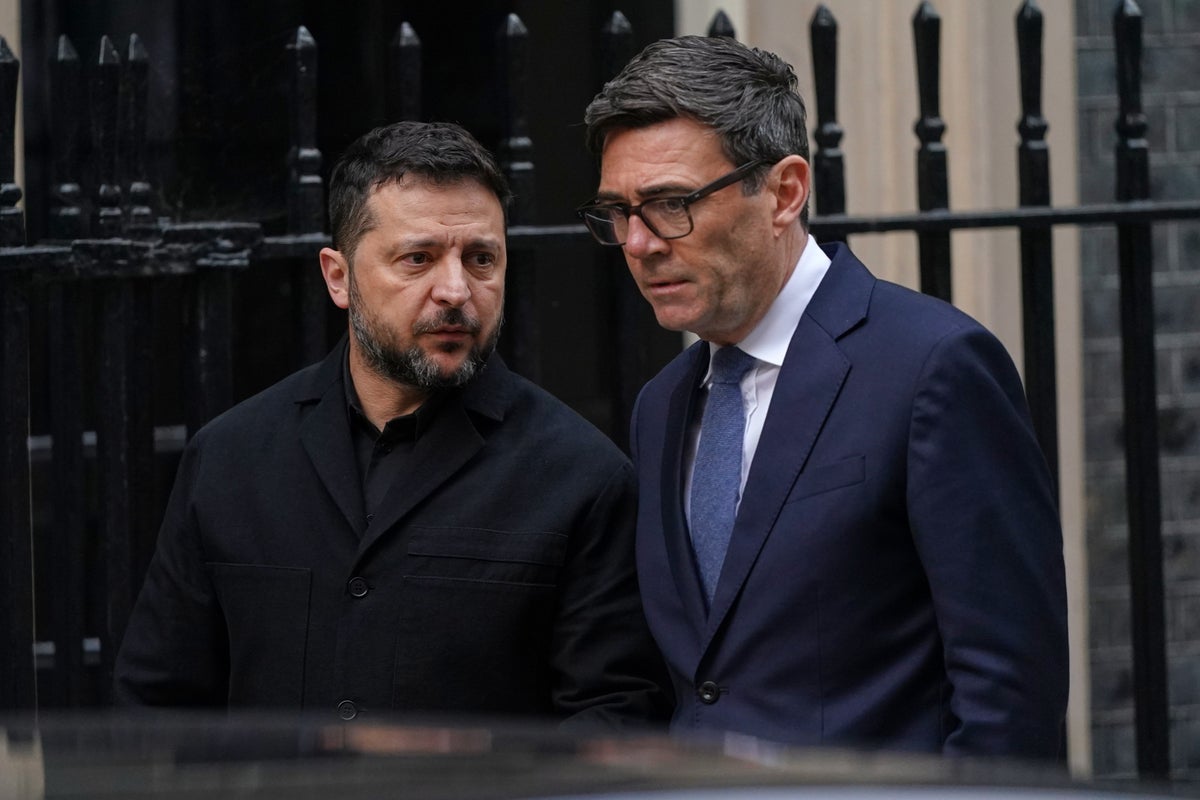
Cover image from independent.co.uk, which was analyzed for this article
Ukraine launched new drone attacks on Russian refineries after a brief truce, with Zelenskyy accusing the US of withdrawing support. Russia responded with its own strikes as the conflict intersects with US midterm politics.
PoliticalOS
Thursday, October 15, 2026 — Politics
The core development is Ukraine’s decision to resume refinery strikes once Russian attacks on its energy grid continued, set against unverified Ukrainian claims of reduced US intelligence support and Trump’s separate push for lower fuel prices ahead of US midterms. Readers should track whether satellite-warning gaps or additional Patriot systems actually materialize rather than treating any single government statement as settled fact.
What outlets missed
No outlet supplied independent confirmation of damage at the Ryazan refinery or casualty counts from either side. The precise duration of Ukraine’s earlier suspension of strikes was stated only as “several days” without a start date. Trump’s proposed diesel import volume of 1.8 million tonnes and its legal status under existing sanctions received no detailed examination. European reactions beyond a single Dutch statement were summarized rather than quoted. The technical specifications of the Flamingo missiles cited by Russia appeared in only one dispatch.
Trump's Unilateral Energy Ceasefire Bid Unravels Amid Renewed Ukrainian Strikes
Ukraine launched a fresh drone and missile attack on a Russian oil refinery in the Ryazan region early Thursday, according to statements from both Russian and Ukrainian officials. The strikes followed Ukrainian President Volodymyr Zelenskyy's declaration that a brief pause in attacks on energy infrastructure, prompted by a weekend announcement from President Donald Trump, had ended. Russia's Defense Ministry reported that air defenses intercepted most of the incoming weapons but that debris caused a fire at the site, about 180 kilometers south of Moscow.
Trump had posted on Truth Social on Sunday that an "energy ceasefire" was in effect between Russia and Ukraine. The move came without prior coordination with either government and proposed suspending sanctions on Russian fuel imports for six months to allow diesel sales at market prices. Ukraine initially halted its strikes on Russian refineries in response, but Moscow continued targeting Ukrainian power plants and other energy sites. Zelenskyy told the Financial Times that his government was done with the arrangement and accused the United States of weakening Ukraine's battlefield position by curtailing intelligence sharing.
The intelligence issue has drawn particular attention in Kyiv. Ukrainian officials said NATO satellite data that normally provides early warnings of Russian ballistic missile launches was not relayed this week, leaving ground radars as the primary detection method. Zelenskyy noted that the missing satellite feeds could cost critical minutes of preparation time for civilians and air defenses. Trump has denied ordering any reduction in such support.
The sequence reflects a pattern of abrupt U.S. policy shifts that have left allies and adversaries alike uncertain about American commitments. Administration officials have argued that pausing refinery strikes and facilitating Russian diesel exports could ease global fuel prices, a point of domestic political sensitivity. Yet the approach has not produced reciprocal restraint from Moscow, and it has heightened friction with Kyiv over how the war's economic dimensions should be managed.
European governments have responded by reaffirming their own backing for Ukraine. British officials hosted Zelenskyy this week and signaled increased support, framing the moves as necessary to offset uncertainty in Washington. Diplomats and military analysts say sustained Ukrainian pressure on Russian energy infrastructure has previously constrained Moscow's revenues and logistics, though such operations carry risks of escalation and retaliation against Ukrainian civilian targets.
The episode underscores how single-country announcements can quickly lose force when not anchored in broader coordination. Ukrainian forces have shown they retain the capacity to strike deep into Russian territory even after brief halts, while Russian attacks on Ukrainian energy systems have persisted. Negotiators tracking the conflict now face the added task of determining whether any future pause can hold without clearer enforcement mechanisms or aligned incentives among the main parties.
You just read Liberal's take. Want to read what actually happened?
More in Politics

Democrats Flip Senate, Expand House Majority in Midterms
Democrats flipped the Senate and expanded their House majority in a major rebuke to President Trump and Republicans. Key victories included multiple Senate seats and state-level wins that ended long-standing GOP dominance in places like Texas.

GOP Losses Spur Blame, Vance Distancing, 2028 Maneuvers
Republicans are pointing fingers internally after heavy losses, with Vice President JD Vance distancing himself from Trump over the Iran war and positioning for a potential 2028 run. Challengers within the party are already sensing opportunity.

Democrats Take House and Senate Amid Record Midterm Turnout
Democrats achieved decisive gains in the 2026 midterms, flipping seats to take control of both chambers. Coverage highlights historic turnout and implications for the Trump administration.
Democrats Take House and Senate, Constraining Trump
Democrats flipped both the House and Senate in a major rebuke to President Trump and Republicans. The results create divided government and set up battles over spending, oversight, and foreign policy for the remainder of Trump's term.
The Compass
You just read five takes on one story.
What's your take? Find your political shape in a few minutes.
Take the test