
US Adds 115K Jobs in April as Q1 GDP Rises 2%
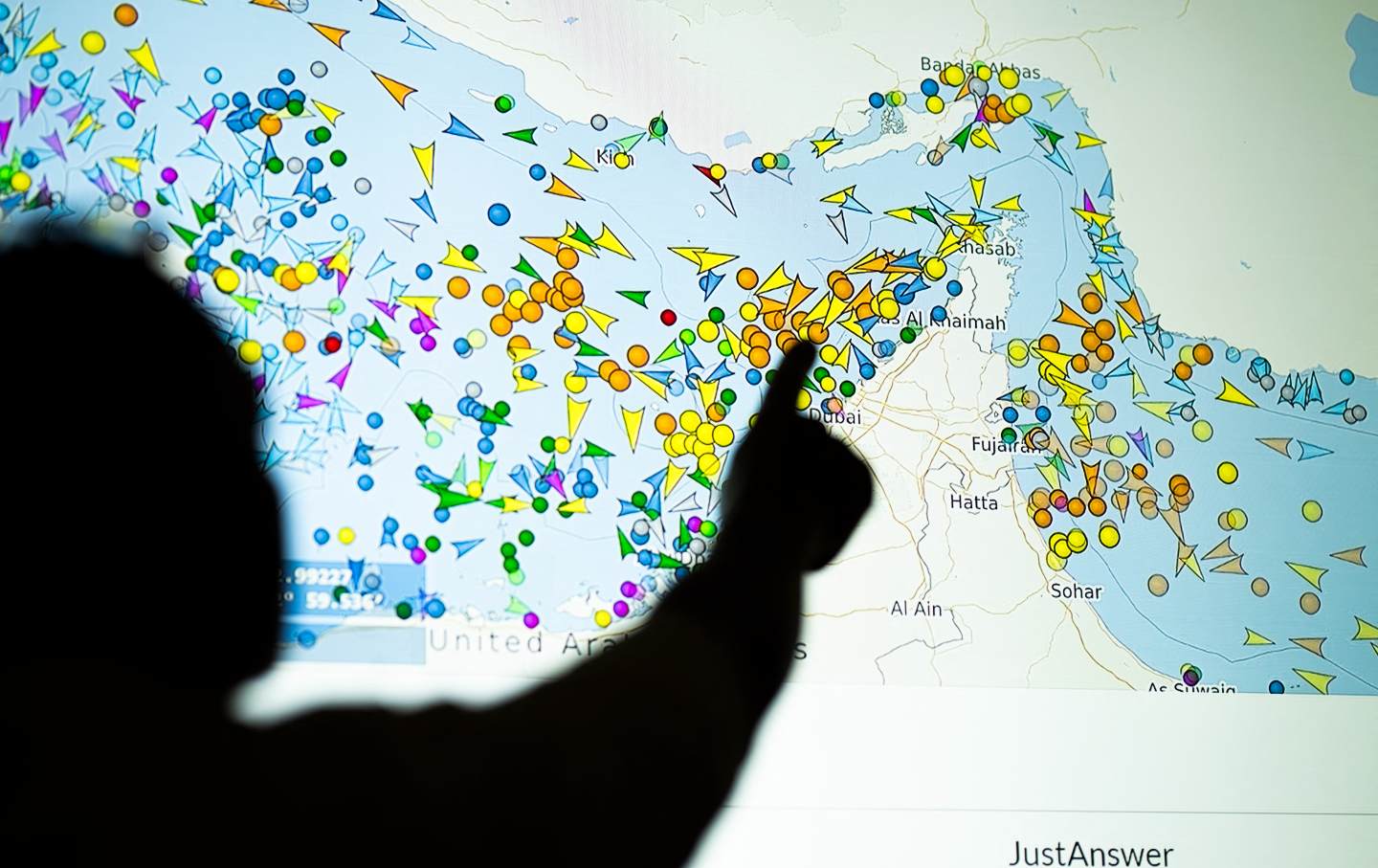
Cover image from thenation.com, which was analyzed for this article
April added 115,000 jobs; Q1 GDP grew 2.0%; durable goods up 7.6%. Despite war pressures, ISM Manufacturing at 52.7% signals resilience. Inflation report looms amid Trump-Xi focus.
PoliticalOS
Monday, May 11, 2026 — Business
The US economy showed continued modest expansion and job gains in April even amid geopolitical energy shocks. The upcoming inflation print and trade talks will determine whether this resilience holds or prompts policy shifts.
What outlets missed
Most coverage omitted the specific durable goods figure of 7.6% and its link to capital spending resilience. Few outlets noted that the 52.7 ISM reading occurred despite documented energy price spikes from the Hormuz disruption. The timing of the inflation report relative to the Trump-Xi summit was rarely connected to potential tariff or trade policy signals. No major outlet cross-checked the 115,000 jobs number against preliminary unemployment claims data released the same week.
US employers added 115,000 jobs in April while the economy expanded at a 2.0% annual rate in the first quarter. Durable goods orders climbed 7.6%. The ISM manufacturing index held at 52.7%, above the 50 threshold that signals expansion. These figures arrived against the backdrop of ongoing Middle East conflict and ahead of a key inflation report. Markets are watching how the data shapes expectations for Federal Reserve policy and the upcoming Trump-Xi meeting.
Job growth slowed from March but remained positive. The unemployment rate stayed near historic lows. Manufacturing showed resilience even as supply chains faced pressure from higher energy costs tied to the Strait of Hormuz situation. GDP growth was supported by consumer spending and business investment, though government data revisions could alter the final picture.
Analysts note that the combination of steady hiring and moderate expansion gives policymakers room to assess inflation trends before the next rate decision. The upcoming CPI release will clarify whether price pressures are reaccelerating after recent months of cooling.
More in Business & Economy

Major Banks Deliver Mixed Q3 Results on Trading Beats
JPMorgan, Goldman Sachs, Citigroup, and Wells Fargo reported Q3 figures, with revenue beats in trading but some estimate misses. CNBC provided live updates on the results and market reactions.

Oil Falls on Russian Diesel Outlook Despite Geopolitical Risks
Dow futures rose while Nasdaq faced pressure from tech weakness and elevated oil after geopolitical spikes. CNBC tracked premarket moves tied to earnings and Fed speeches.

Hall and Woodford Win Economics Nobel for Stabilization Models
American economists Robert E. Hall and Michael Woodford won the Nobel memorial prize for their research on managing economies through booms and busts, informing central bank policies on inflation and unemployment.

Skydance Closes Paramount-Warner Bros. Discovery Deal
The long-delayed media mega-merger cleared hurdles and began operations under Skydance, consolidating Hollywood power. Center and center-left outlets track the regulatory and business milestones.
The Compass
You just read five takes on one story.
What's your take? Find your political shape in a few minutes.
Take the test