
Trump Iran MOU stalls as Lebanon fighting resumes

Cover image from npr.org, which was analyzed for this article
President Trump signed an MOU to wind down conflict elements including uranium stockpiles and the Hormuz blockade, but follow-up talks are postponed amid Iranian delays and Republican backlash. Coverage highlights ongoing Lebanon ceasefire issues and White House demands on Israel.
PoliticalOS
Saturday, June 20, 2026 — Politics
The MOU’s core provisions on Hormuz traffic and military stand-down remain in early implementation and depend on whether the Lebanon ceasefire stabilizes. Partisan disagreement centers on verification and funding safeguards rather than the agreement’s stated goals.
What outlets missed
Most coverage omitted the explicit performance-based disbursement schedule for the $300 billion fund and the precise timeline for uranium stockpile reductions contained in the MOU. Few outlets reported the exact language requiring immediate Hormuz reopening or the fact that the U.S. blockade lift occurred only after the second digital signing. Discrepancies in Lebanon casualty counts across sources were rarely reconciled or sourced to specific agencies.
A memorandum of understanding signed this week between the United States and Iran seeks to end active hostilities, reopen the Strait of Hormuz to commercial traffic, and launch 60 days of follow-on talks on Iran’s nuclear program. The agreement has already produced an initial lifting of the U.S. blockade on Iranian ports and a modest rebound in oil shipments. Yet renewed Israeli strikes in southern Lebanon hours after a reported ceasefire have postponed planned technical meetings in Switzerland and intensified criticism from lawmakers in both parties.
The 14-point MOU, signed digitally on or around June 17, requires an immediate and permanent end to military operations on all fronts, including Lebanon. It provides for sanctions waivers on Iranian oil exports, the unfreezing of assets, and a $300 billion reconstruction fund whose disbursements are described as performance-based. President Trump has stated that Iran receives no funds until compliance steps are verified. Iranian Foreign Minister Abbas Araghchi has said any U.S. failure to secure an end to fighting in Lebanon would constitute a violation.
Follow-up talks scheduled to begin in Switzerland were delayed after Vice President JD Vance postponed travel and Iranian officials conditioned their attendance on a durable Lebanon truce. U.S. officials confirmed the Lebanon ceasefire took effect at 4 p.m. local time on June 19 following mediation involving Qatar and Iran. An Israeli military official reported more than 50 Hezbollah projectiles fired overnight; Hezbollah sources described the strikes as responses to Israeli advances. Lebanese health authorities recorded at least 47 deaths from the preceding night’s exchanges, while other reports cited lower figures.
Republican senators expressed divergent views. Sen. Tommy Tuberville said the framework prevents Iranian nuclear weapons without U.S. troops on the ground. Sen. Richard Blumenthal warned that reconstruction funds could reach Hezbollah and called the absence of verification provisions a form of surrender. Sen. John Hoeven stressed that enforcement during the 60-day period will determine success. Several other senators said they had not yet read the full text.
Israeli officials, who were not parties to the MOU, have said they will maintain forces in southern Lebanon until threats are removed. Hezbollah representatives have conditioned a ceasefire on Israeli withdrawal. The State Department announced new Israel-Lebanon talks in Washington for June 23 and 25 focused on reconstruction and disarmament, though Hezbollah is not participating.
The MOU also calls for reductions in Iran’s uranium stockpile and an end to the Hormuz blockade, measures that U.S. Central Command said had begun after the second signing. Whether these steps will survive renewed cross-border fire remains the central unresolved question.
More in Politics
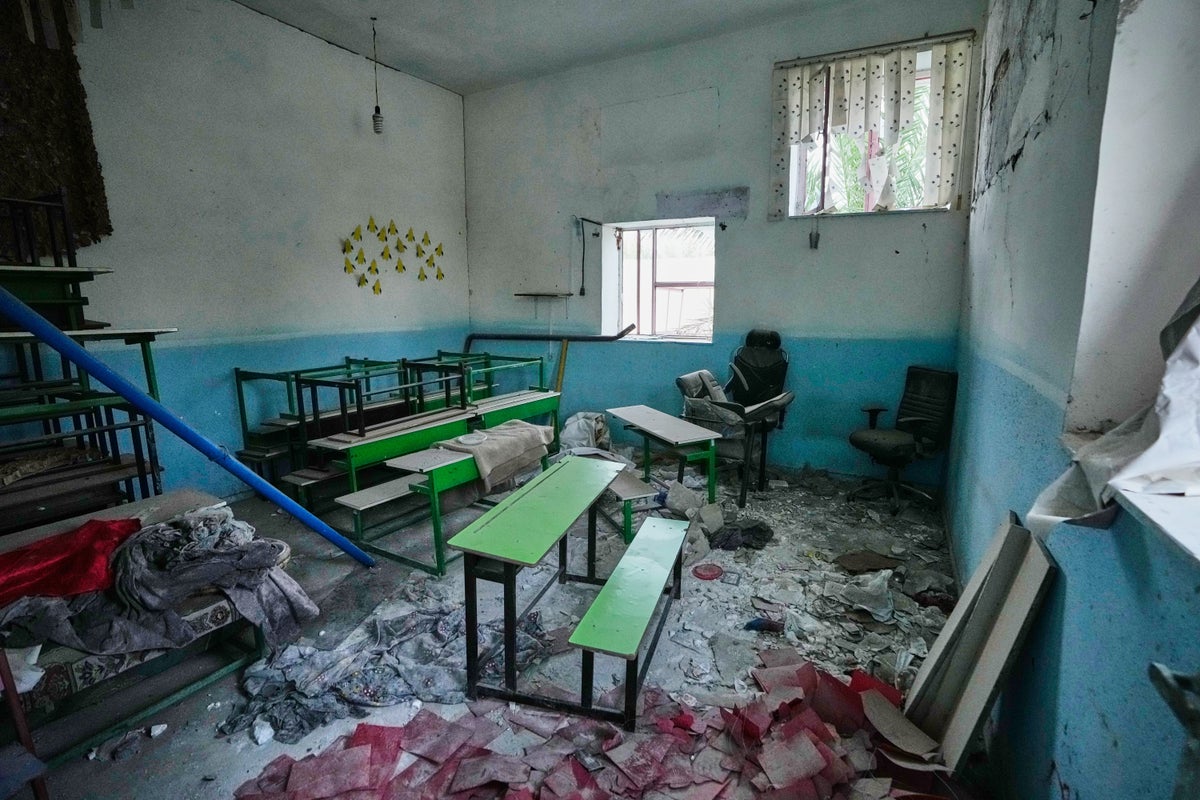
UN Panel Cites Grounds for US War Crimes in Iran Strikes
The Iran conflict enters a new phase focused on reconstruction after US strikes destroyed nuclear sites. UN experts cite possible US war crimes killing civilians while oil prices stay elevated.

Trump Warns of Tariffs as EU Offers Canada Associate Status
The EU invited Canada as its first associate member on defense and energy. Trump called it a hostile act and threatened new tariffs on Europe in response.

Southern Redistricting Tests Black Voter Turnout in Midterms
GOP spending heavily to protect Trump-won districts amid concerns in Georgia. Democrats see voting rights rulings boosting Black turnout in Southern races.
Minnesota Judge Warns ICE Order Violations Threaten Rule of Law
A federal judge warned ICE operations in Minnesota threaten the rule of law. The administration has frozen billions in grants with pediatricians raising health care access alarms.
The Compass
You just read five takes on one story.
What's your take? Find your political shape in a few minutes.
Take the test