
US-Iran strikes resume over Hormuz control, oil tops $90

Cover image from nypost.com, which was analyzed for this article
US forces struck IRGC targets near the Strait of Hormuz; Iran responded with missiles and drones hitting sites in Jordan, Bahrain, and Kuwait. Oil prices surged above $90 as global markets reacted to renewed hostilities.
PoliticalOS
Wednesday, September 2, 2026 — Politics
The immediate risk is further escalation around the Strait of Hormuz, where control directly affects global oil supply. Civilian casualty claims from Iranian sources remain unverified by independent reporting. Both sides continue to trade strikes while negotiations stay frozen.
What outlets missed
Most outlets omitted the specific U.S. claim that the Larak Island targets were actively preparing sea mines for the strait. Few noted the two Filipino sailors killed in tanker incidents attributed to mines. Iranian assertions of earlier U.S. strikes on a school in Minab and a sports hall in Lamerd appeared in only one report and received no corroboration elsewhere. The role of the expired June memorandum as the last diplomatic framework was mentioned by only a minority of outlets.
Global oil markets face renewed pressure as fighting between the United States and Iran has resumed after a month-long pause, with strikes centered on the Strait of Hormuz. The waterway carries roughly one-fifth of world oil trade, and its partial shutdown has already lifted Brent crude above $90 a barrel.
Central Command said Tuesday that U.S. forces struck Iranian Revolutionary Guard missile launchers on Larak Island and other southern coastal sites. The command stated the targets were preparing to lay sea mines and had recently attempted attacks on commercial shipping and U.S. personnel. Iranian state media reported explosions in Kuhestak, Konarak, Bandar Abbas, Jask, Asaluyeh, and on Qeshm Island, and claimed at least 18 people killed across several provinces.
Iran responded with ballistic missiles and drones aimed at U.S. facilities in Jordan, Bahrain, Kuwait, and Iraq’s Erbil region. Jordanian forces said they intercepted 10 of 13 incoming missiles; Kuwait reported intercepting drones and containing a fire at a residential complex with no casualties; Bahrain said its defenses destroyed incoming projectiles. The IRGC claimed hits on airbases and said several U.S. drones were destroyed, assertions that U.S. officials have not confirmed.
President Trump warned on social media and in an interview that further Iranian retaliation would bring stronger U.S. strikes. He said the United States now holds near-total control of the strait and that Iran’s economy is collapsing under sanctions and the blockade. Iranian President Masoud Pezeshkian said Tehran would match any U.S. return to the expired June memorandum that had halted earlier fighting.
Iranian officials and state media described one U.S. strike as hitting a residential building during a wedding in Kuhestak, killing four or five people including a child and wounding more than 60. The Iranian Red Crescent and local officials supplied those figures. Central Command stated that U.S. forces never target civilians. No independent verification of the wedding incident or other specific casualty counts has been reported by multiple outlets.
Negotiations to end the six-month conflict and limit Iran’s nuclear program remain stalled. Fifty thousand U.S. troops and warships are deployed in the region under the naval blockade ordered by the Trump administration.
More in Politics

Trump Defends Ramaswamy Ad Using Estranged Mother in Ohio Race
President Trump defended a GOP nominee's ad featuring a Democratic opponent's estranged mother, calling it powerful, while drawing criticism from some Republicans including Ohio Gov. Mike DeWine. The ad has sparked internal GOP tensions ahead of midterms.

Federal Raid Targets Omar Amid Unresolved Name and Marriage Allegations
Agents searched Rep. Ilhan Omar's DC residence over immigration fraud allegations; she called it bizarre. Reports and commentary questioned her birth name and past marriage details.

Supreme Court Upholds New Hampshire Student ID Voting Ban
The Supreme Court upheld New Hampshire's ban on student IDs as valid voter identification just before midterms, affecting a tight Senate race.
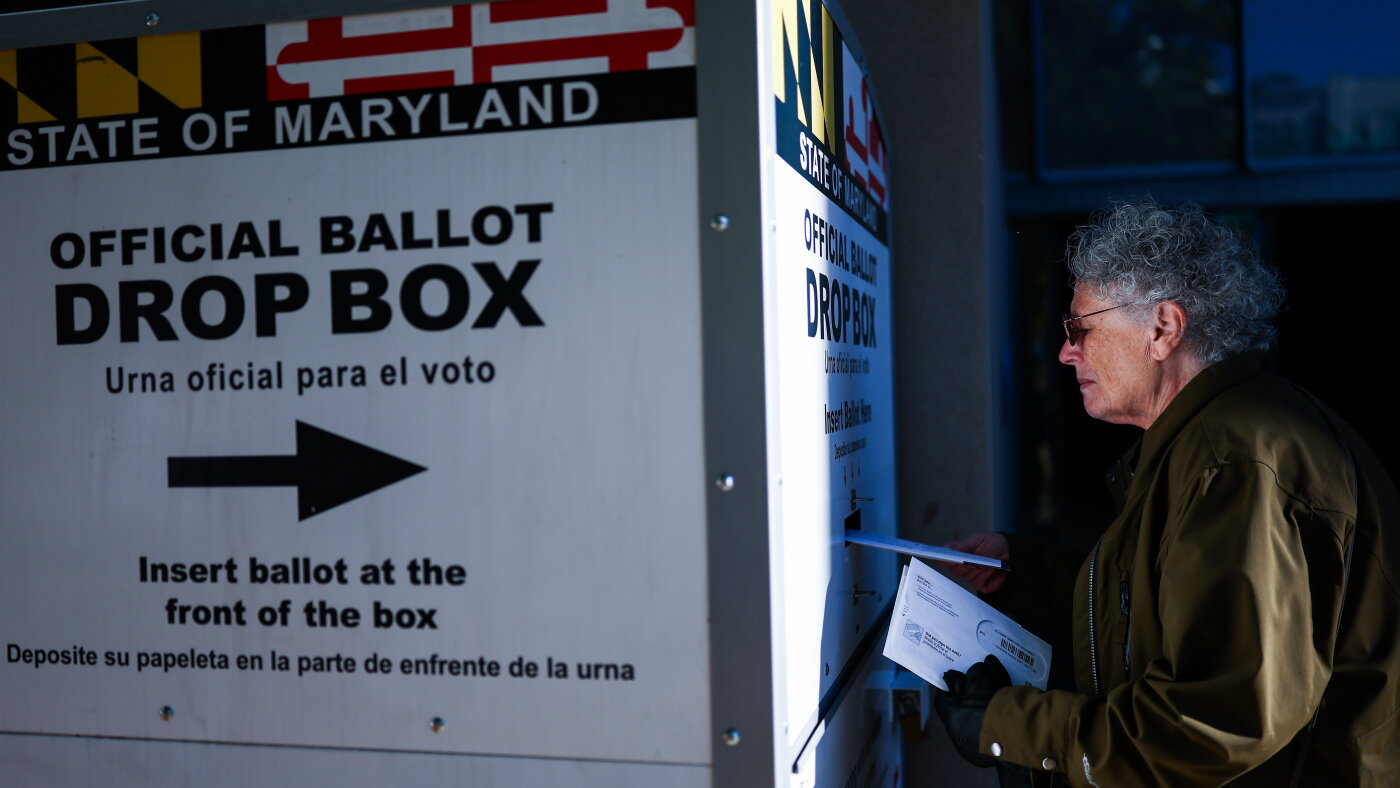
Early Voting Hits 21 Million as Most Trust Midterm Accuracy
Millions have already voted early as parties make final appeals amid $1.4 billion in ad spending; polls show confidence in election accuracy.
The Compass
You just read five takes on one story.
What's your take? Find your political shape in a few minutes.
Take the test