
Trump threatens Strait of Hormuz control as Iran blockade persists
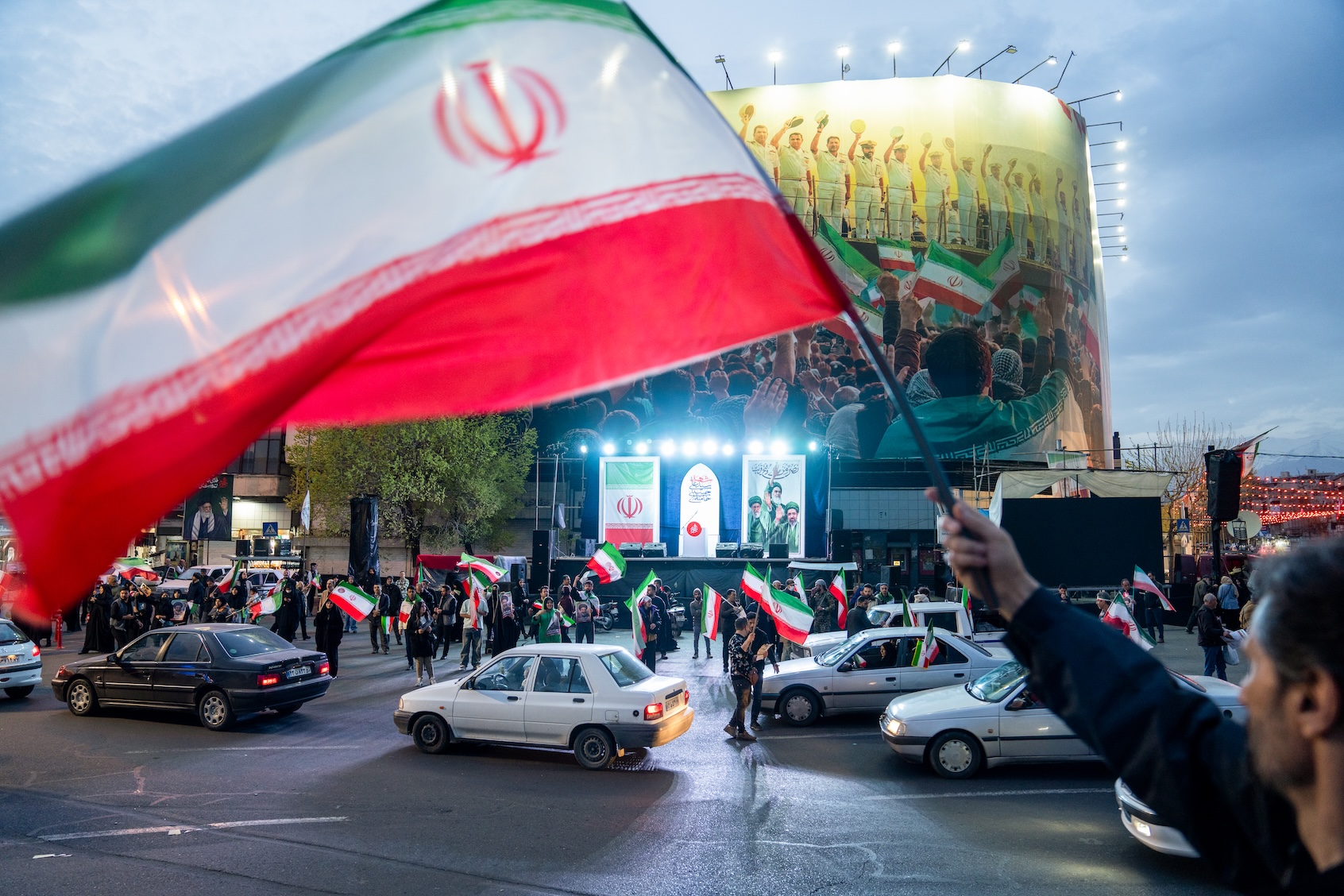
Cover image from salon.com, which was analyzed for this article
Trump signals plans to declare the Strait of Hormuz US territory amid ongoing blockade and tensions, drawing Iranian pushback and domestic debate over costs and duration. Coverage spans carrier deployments, sailor conditions, and broader economic fallout from disruptions.
PoliticalOS
Sunday, August 16, 2026 — Politics
The core unresolved question is whether either side will accept the economic and political costs of prolonged closure or whether a negotiated reopening can occur before the U.S. midterm elections. Readers should track oil-price movements and carrier-deployment timelines as the clearest indicators of which side is absorbing greater strain.
What outlets missed
Most coverage omitted the precise legal requirement under U.S. law for Senate-ratified treaties or statutes to annex territory, as noted by former officials. Few outlets quantified the documented drawdown in U.S. Patriot and THAAD interceptor stocks after months of operations. The scheduled nature of the USS George Washington rotation, rather than an unplanned withdrawal, received little attention outside defense reporting. Iranian demands for war reparations and an end to attacks on its regional allies were listed without reference to the sequence of events that produced the current blockade.
Trump Administration Prioritizes Cheap Energy Amid Iran Conflict and Naval Strain
The United Arab Emirates has accused Iran of striking two vessels tied to its state oil company in the Strait of Hormuz, heightening tensions in a waterway that carries a fifth of global oil shipments. The claims come as Vice President JD Vance stated that the Trump administration's top priority remains keeping oil and gas prices low for American consumers, with preventing an Iranian nuclear weapon listed as a secondary goal.
Treasury Secretary Scott Bessent said new sanctions would soon isolate Iran economically in ways never seen before. Iranian officials, for their part, declared they hold decisive control over the strait and have kept it closed to pressure Washington into lifting a naval blockade, ending sanctions, and meeting other demands. President Trump has responded by threatening to designate the strait a U.S. territory once Iran is defeated, though talks have produced little progress six months into the fighting.
The war's demands are showing on American forces. The USS Abraham Lincoln carrier, now at sea for nearly nine months, has seen multiple reported suicide attempts and sailors losing 20 to 30 pounds from limited food and poor water quality. Families of crew members on the Lincoln and USS Tripoli described inadequate mental health support and said the conditions have left some sailors emaciated. Defense Secretary Pete Hegseth called reports of the hardships misrepresentations, while Trump dismissed family concerns by saying the deployment was not nearly long enough.
To sustain operations, the Navy is shifting the USS George Washington from the Pacific to relieve the Lincoln. That move leaves no U.S. carrier in the western Pacific at a time when China has increased pressure on the Philippines in the South China Sea and continues testing resolve around Taiwan. Analysts note the redeployment runs counter to earlier administration statements that the Pacific should remain the main focus after the Western Hemisphere.
Trump has described the campaign as a major success, pointing to reduced Iranian missile and drone stocks and damaged manufacturing. Yet the stated aims of regime change, elimination of Iran's ballistic capabilities, and destruction of its nuclear program remain unmet, and the administration has avoided deeper strikes or a ground invasion. Iranian leaders appear to be betting they can simply wait out the current U.S. president.
Vance's emphasis on affordable energy reflects voter concerns over prices that have already hit new lows in domestic reserves. The administration's sanctions push aims to choke Iran's finances further, but the strait remains contested and global energy markets stay sensitive to any prolonged closure.
You just read America First's take. Want to read what actually happened?
More in Politics
Democrats Flip Senate, Expand House Majority in Midterms
Democrats flipped the Senate and expanded their House majority in a major rebuke to President Trump and Republicans. Key victories included multiple Senate seats and state-level wins that ended long-standing GOP dominance in places like Texas.
GOP Losses Spur Blame, Vance Distancing, 2028 Maneuvers
Republicans are pointing fingers internally after heavy losses, with Vice President JD Vance distancing himself from Trump over the Iran war and positioning for a potential 2028 run. Challengers within the party are already sensing opportunity.
Democrats Take House and Senate Amid Record Midterm Turnout
Democrats achieved decisive gains in the 2026 midterms, flipping seats to take control of both chambers. Coverage highlights historic turnout and implications for the Trump administration.
Democrats Take House and Senate, Constraining Trump
Democrats flipped both the House and Senate in a major rebuke to President Trump and Republicans. The results create divided government and set up battles over spending, oversight, and foreign policy for the remainder of Trump's term.
The Compass
You just read five takes on one story.
What's your take? Find your political shape in a few minutes.
Take the test