
Trump Eyes Hormuz Deal via Oman as Missile Stocks Near Depletion
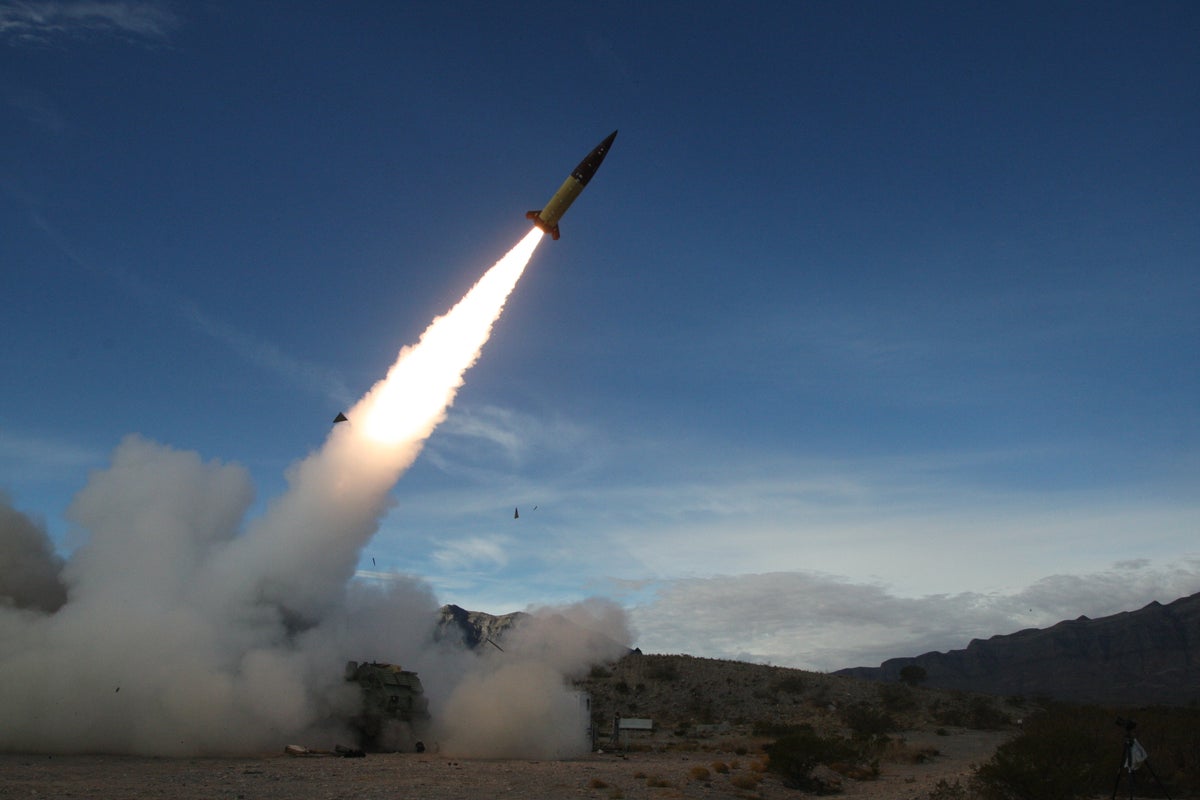
Cover image from independent.co.uk, which was analyzed for this article
President Trump signals possible imminent deal with Iran via Oman mediators to reopen the Strait of Hormuz, warning of hard consequences if talks fail. Reports from across the spectrum cover diplomacy progress, oil market impacts, and internal Iranian pressures.
PoliticalOS
Wednesday, August 5, 2026 — Politics
A narrow diplomatic window exists for a temporary, toll-free Hormuz reopening through Oman, yet Iranian denials of direct talks, U.S. missile depletion reports, and repeated conditional threats leave the outcome dependent on whether both sides accept the interim mechanics before any new escalation.
What outlets missed
Most coverage omitted the specific 60-day timeline and no-toll provision detailed in Axios reporting and confirmed across AP and regional sources. Few outlets placed the missile depletion figures alongside Central Command’s public claim of having aided more than 1,000 transits, leaving readers without a clear picture of simultaneous operational strain and continued traffic. International reactions from the UN International Maritime Organization on seafarer deaths and from Qatar’s emir on mediation progress received minimal attention outside wire dispatches. Houthis’ Red Sea tanker attack on the same day as Hormuz developments went largely unlinked to the broader shipping crisis.
US Missile Supplies Nearly Gone After Iran War Drags On
The US military has burned through virtually all of its stockpile of long-range precision missiles in the five-month conflict with Iran, according to people familiar with the numbers. The Army Tactical Missile Systems and the newer Precision Strike Missiles have been the main weapons used in strikes, and supplies of both are now at critically low levels.
These munitions cost more than a million dollars apiece and were meant to let forces hit targets from a distance without putting pilots in harm's way. Their near exhaustion leaves fewer options if President Trump decides to resume large-scale attacks. Officials have already floated the possibility of shifting to manned bombing runs, which carry higher risks for American aircrews.
The war began February 28 when US and Israeli forces struck Iranian targets. What was described at the outset as a short operation has stretched into months of back-and-forth strikes, with Iran closing the Strait of Hormuz and disrupting global energy routes. Trump has alternated between threats of massive strikes and pauses to allow talks, most recently saying a deal with Iran and Oman on reopening the strait could come within 48 hours.
Negotiations center on splitting shipping lanes, with inbound traffic moving through Iranian waters and outbound through Omani waters. No tolls would apply during a proposed 60-day period. Iranian officials have denied direct US involvement in the talks, though Trump has described them as positive and warned that any collapse would bring a hard response.
The missile shortage raises questions about readiness for other potential conflicts. The same weapons have been used in support of Ukraine against Russia, and analysts note they would be in high demand in any confrontation with China. Defense officials have downplayed stockpile concerns in the past, but the current drawdown shows the limits of sustained operations far from home.
Trump has said the strait must reopen for nuclear talks to move forward and that Iran cannot be allowed a nuclear weapon. Public polling shows strong backing for preventing that outcome, yet the practical costs of the current approach are now visible in depleted inventories and the prospect of riskier missions ahead.
You just read America First's take. Want to read what actually happened?
More in Politics
Democrats Flip Senate, Expand House Majority in Midterms
Democrats flipped the Senate and expanded their House majority in a major rebuke to President Trump and Republicans. Key victories included multiple Senate seats and state-level wins that ended long-standing GOP dominance in places like Texas.
GOP Losses Spur Blame, Vance Distancing, 2028 Maneuvers
Republicans are pointing fingers internally after heavy losses, with Vice President JD Vance distancing himself from Trump over the Iran war and positioning for a potential 2028 run. Challengers within the party are already sensing opportunity.
Democrats Take House and Senate Amid Record Midterm Turnout
Democrats achieved decisive gains in the 2026 midterms, flipping seats to take control of both chambers. Coverage highlights historic turnout and implications for the Trump administration.
Democrats Take House and Senate, Constraining Trump
Democrats flipped both the House and Senate in a major rebuke to President Trump and Republicans. The results create divided government and set up battles over spending, oversight, and foreign policy for the remainder of Trump's term.
The Compass
You just read five takes on one story.
What's your take? Find your political shape in a few minutes.
Take the test