
Trump Eyes Hormuz Deal via Oman as Missile Stocks Near Depletion
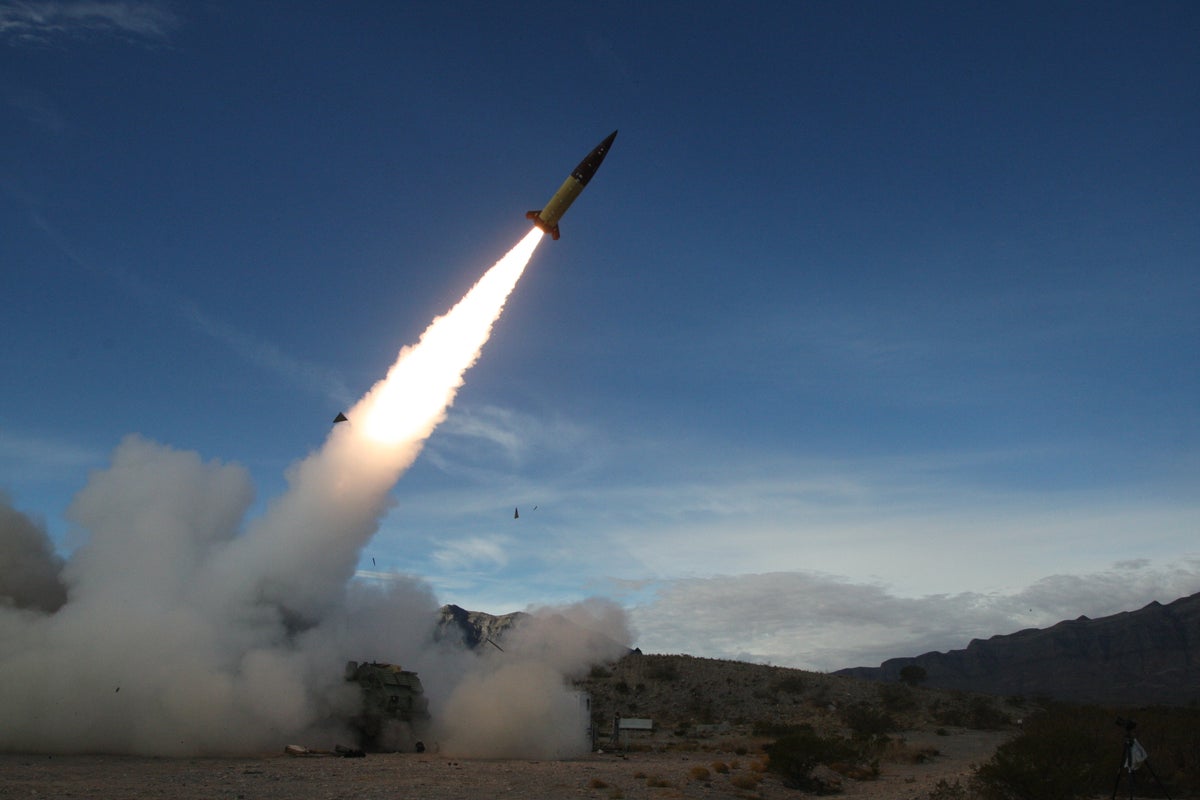
Cover image from independent.co.uk, which was analyzed for this article
President Trump signals possible imminent deal with Iran via Oman mediators to reopen the Strait of Hormuz, warning of hard consequences if talks fail. Reports from across the spectrum cover diplomacy progress, oil market impacts, and internal Iranian pressures.
PoliticalOS
Wednesday, August 5, 2026 — Politics
A narrow diplomatic window exists for a temporary, toll-free Hormuz reopening through Oman, yet Iranian denials of direct talks, U.S. missile depletion reports, and repeated conditional threats leave the outcome dependent on whether both sides accept the interim mechanics before any new escalation.
What outlets missed
Most coverage omitted the specific 60-day timeline and no-toll provision detailed in Axios reporting and confirmed across AP and regional sources. Few outlets placed the missile depletion figures alongside Central Command’s public claim of having aided more than 1,000 transits, leaving readers without a clear picture of simultaneous operational strain and continued traffic. International reactions from the UN International Maritime Organization on seafarer deaths and from Qatar’s emir on mediation progress received minimal attention outside wire dispatches. Houthis’ Red Sea tanker attack on the same day as Hormuz developments went largely unlinked to the broader shipping crisis.
US Missile Shortages Limit Options as Trump Pushes for Hormuz Deal
The United States has depleted nearly its entire stockpile of long-range precision missiles after five months of conflict with Iran, according to three people familiar with internal assessments. The shortfall centers on Army Tactical Missile Systems and the newer Precision Strike Missiles, both of which exceed $1 million per round and enable strikes from beyond enemy air defenses.
This depletion directly constrains President Donald Trump’s choices if negotiations to reopen the Strait of Hormuz stall. Officials have described the weapons as central to maintaining pressure without exposing aircraft, yet their near-exhaustion leaves the military more reliant on manned bombing runs that carry higher risks to personnel and equipment. The same systems have been used extensively in support of Ukraine, underscoring how simultaneous demands on limited munitions can erode readiness for contingencies involving China or Russia.
Talks between Iran and Oman have produced a tentative framework for a 60-day interim arrangement that would route inbound traffic through Iranian waters and outbound traffic through Omani waters. No tolls would apply during the initial period, and mine-clearing operations in the median lane would begin within 30 days. Trump has signaled that an announcement could come within 48 hours, while also warning that any collapse in talks would trigger a major strike. Iranian officials have framed the discussions as bilateral and have resisted direct US involvement in the final text.
The war began on February 28 with joint US and Israeli operations aimed at degrading Iran’s nuclear program and ability to project force. Initial expectations of a short campaign gave way to prolonged exchanges that have killed thousands and displaced millions. Throughout, Trump has alternated between public threats of large-scale attacks and pauses to allow diplomacy, a pattern that has produced repeated delays without a decisive breakthrough on core US objectives.
Analysts note that the missile shortage adds urgency to reaching an accommodation on the strait, which normally carries roughly one-fifth of global oil and liquefied natural gas shipments. Markets responded to signs of progress with lower oil prices and higher equity indexes. Yet the underlying constraint on precision munitions remains, and defense officials have offered limited public detail on replenishment timelines or alternative strike packages.
The situation illustrates how extended operations can outpace industrial production rates for high-end munitions, a structural vulnerability that predates the current conflict but has become more acute. With negotiations still fluid, the administration faces a narrow window to translate diplomatic movement into a durable pause before further military commitments become necessary.
You just read Liberal's take. Want to read what actually happened?
More in Politics
Democrats Flip Senate, Expand House Majority in Midterms
Democrats flipped the Senate and expanded their House majority in a major rebuke to President Trump and Republicans. Key victories included multiple Senate seats and state-level wins that ended long-standing GOP dominance in places like Texas.
GOP Losses Spur Blame, Vance Distancing, 2028 Maneuvers
Republicans are pointing fingers internally after heavy losses, with Vice President JD Vance distancing himself from Trump over the Iran war and positioning for a potential 2028 run. Challengers within the party are already sensing opportunity.
Democrats Take House and Senate Amid Record Midterm Turnout
Democrats achieved decisive gains in the 2026 midterms, flipping seats to take control of both chambers. Coverage highlights historic turnout and implications for the Trump administration.
Democrats Take House and Senate, Constraining Trump
Democrats flipped both the House and Senate in a major rebuke to President Trump and Republicans. The results create divided government and set up battles over spending, oversight, and foreign policy for the remainder of Trump's term.
The Compass
You just read five takes on one story.
What's your take? Find your political shape in a few minutes.
Take the test