
US-Iran Strike Pause Enters Third Night Amid Hormuz Talks
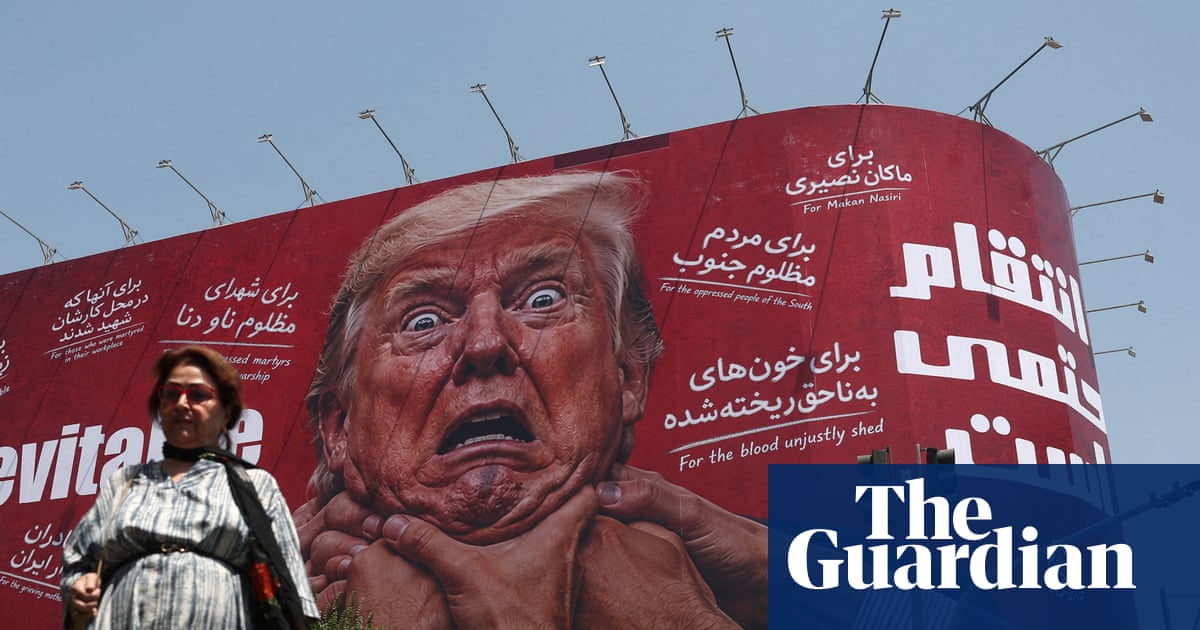
Cover image from theguardian.com, which was analyzed for this article
The US and Iran halted direct attacks for a third night, opening space for diplomacy through intermediaries. Oil prices eased while the Pentagon updated casualty figures from the conflict.
PoliticalOS
Monday, July 27, 2026 — Politics
The pause reflects mutual costs and depleted options on both sides rather than a decisive breakthrough. Core disputes over Hormuz control and sanctions remain unresolved, and side conflicts continue to risk broader spillover even as oil prices ease.
What outlets missed
The joint US-Israel character of the February 28 strikes that opened the current phase was omitted from several accounts, altering the timeline of escalation. Specific Pentagon reclassification of four deaths into an Overseas Operation category to address War Powers concerns received little attention outside defense-focused reporting. Iranian health ministry casualty claims for its own side remain unverified by independent sources and were presented without that caveat in multiple pieces. The precise terms of the China-led proposal delivered in Pakistan have not been disclosed publicly.
US Pauses Strikes on Iran as Casualties Mount and Munitions Run Low
The United States has halted its bombing campaign against Iran for a third straight night, a move that follows nearly two weeks of intense strikes and appears driven by mounting military strain and diplomatic pressure. Officials in Washington described the pause as an effort to create space for talks, though reports indicate that depleted air defense interceptors and higher than previously acknowledged casualties played a significant role in the decision.
Pentagon figures released over the weekend showed 18 US service members killed and 624 wounded since the start of operations in late February. The updated casualty count added more than 140 wounded personnel in recent days, underscoring the human cost of the conflict that has drawn in US forces across the region. Iranian attacks on American positions in Bahrain, Kuwait and Jordan have also stopped for now, with Tehran stating that its actions were purely retaliatory.
Republican Representative Thomas Massie of Kentucky offered a blunt assessment of the war’s impact on the United States. In a post on social media, he said the conflict had significantly weakened America by depleting missile defenses, draining strategic oil reserves, sacrificing troops, raising consumer prices and increasing national debt. He added that the effort had come at the expense of domestic priorities and largely served Israeli interests. Massie, who lost his primary earlier this year to a Trump-backed challenger, has long criticized US involvement in Middle East conflicts.
US Ambassador to the United Nations Mike Waltz pushed back against suggestions that munitions shortages forced the pause, telling Sunday news programs that the military had everything it needed. Other administration voices, including President Trump, have insisted stockpiles remain ample. Yet multiple outlets have reported that US forces have expended large numbers of Patriot and THAAD interceptors while prioritizing the protection of troops over other targets.
Iran’s Foreign Ministry has denied agreeing to any formal ceasefire timeline and said current talks focus on the future of the Strait of Hormuz through Oman. The vital waterway remains closed, and attempts by vessels to transit without authorization have been turned back. Global oil prices fell below 90 dollars a barrel on Monday after spiking above 100 dollars last week, reflecting market relief at the reduced fighting.
Diplomatic efforts gained momentum after a China-backed push in Pakistan, though both sides continue to signal they are keeping military options open. Saudi strikes on Houthi targets in Yemen and a reported Ukrainian attack on an Iranian vessel in the Caspian Sea illustrate how the conflict continues to ripple outward even during the lull.
The pause comes after 13 consecutive nights of US strikes that began following the collapse of an earlier Islamabad-brokered ceasefire. While the immediate exchange of fire has stopped, the underlying disputes over regional security and energy routes remain unresolved, leaving open the possibility of renewed escalation if talks falter.
You just read Progressive's take. Want to read what actually happened?
More in Politics
Democrats Flip Senate, Expand House Majority in Midterms
Democrats flipped the Senate and expanded their House majority in a major rebuke to President Trump and Republicans. Key victories included multiple Senate seats and state-level wins that ended long-standing GOP dominance in places like Texas.
GOP Losses Spur Blame, Vance Distancing, 2028 Maneuvers
Republicans are pointing fingers internally after heavy losses, with Vice President JD Vance distancing himself from Trump over the Iran war and positioning for a potential 2028 run. Challengers within the party are already sensing opportunity.
Democrats Take House and Senate Amid Record Midterm Turnout
Democrats achieved decisive gains in the 2026 midterms, flipping seats to take control of both chambers. Coverage highlights historic turnout and implications for the Trump administration.
Democrats Take House and Senate, Constraining Trump
Democrats flipped both the House and Senate in a major rebuke to President Trump and Republicans. The results create divided government and set up battles over spending, oversight, and foreign policy for the remainder of Trump's term.
The Compass
You just read five takes on one story.
What's your take? Find your political shape in a few minutes.
Take the test