
Trump Says Iran Deal Close, Tehran Says No Agreement Imminent

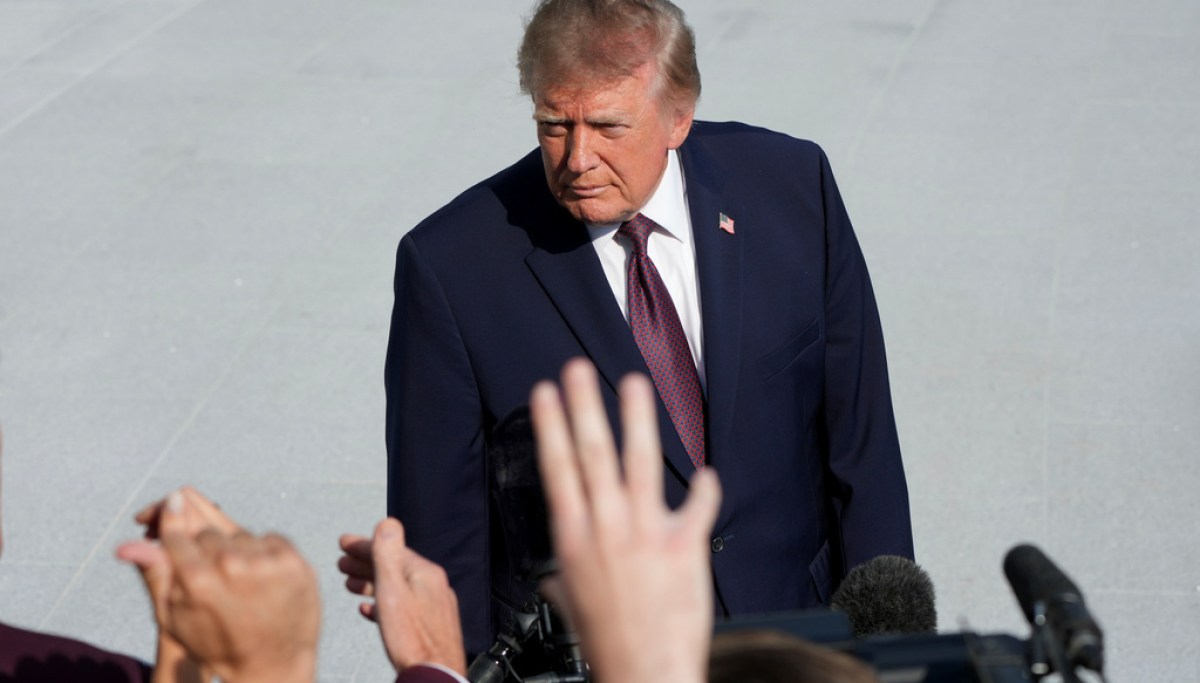
Cover image from aljazeera.com, which was analyzed for this article
President Trump indicated a deal including reopening the Strait of Hormuz is largely negotiated, though Iran stated no agreement is imminent despite progress on multiple issues. Rubio emphasized the US would pursue alternatives if talks fail, amid criticism from GOP hawks.
PoliticalOS
Monday, May 25, 2026 — Politics
Talks have produced a reported framework on the Strait of Hormuz and enriched uranium, yet Iran insists no deal is imminent and U.S. Republicans are already attacking the terms. The central uncertainty is whether the two sides can close the remaining gaps before alternatives to diplomacy are pursued.
What outlets missed
Most outlets omitted the specific pre-war uranium stockpile figure of 440 kilograms at 60 percent enrichment and its sourcing to U.S. intelligence assessments. Few noted that alternative export routes already raised Saudi and Emirati shipments well above pre-war levels, limiting immediate price shocks. Coverage also underplayed the role of the 60-day window pushing any final deadline past the November midterms and the absence of verified confirmation that Iran’s Supreme Leader had approved the broad template.
Global energy markets and shipping lanes through the Strait of Hormuz remain at risk as the United States and Iran continue talks to end their war. A reopened waterway would ease pressure on oil prices that spiked after Iran blocked most traffic, yet both sides now describe any final accord as uncertain.
President Trump stated on social media that negotiators had largely completed a framework covering the strait’s reopening and limits on Iran’s nuclear activities. Secretary of State Marco Rubio told reporters in New Delhi that a “pretty solid thing” sat on the table and that Washington would pursue alternatives if diplomacy failed. Iranian Foreign Ministry spokesman Esmail Baghaei countered that conclusions had been reached on many issues but that no signing was imminent and that nuclear details remained outside current discussions.
The reported outline would give the parties 60 days to finalize terms. Iran would dispose of highly enriched uranium stockpiles estimated at 440 kilograms at 60 percent purity before the war and would allow the strait to reopen. The United States would lift its naval blockade of Iranian ports and provide phased sanctions relief. Rubio and Trump both stressed that any accord must be “good” or there would be none.
Republican senators Ted Cruz, Lindsey Graham, and Roger Wicker publicly criticized the emerging terms, warning that a 60-day extension could leave Iran stronger. Trump dismissed the critics as “losers who know nothing.” Pakistani and Qatari officials continued shuttle diplomacy, while oil prices fell more than five dollars a barrel on Monday amid renewed hope of progress.
The war began February 28 with U.S. and Israeli strikes on Iran. A ceasefire took effect April 8, yet Iran has kept the strait closed to most traffic and the United States has maintained its blockade. No independent confirmation exists that Iran’s Supreme Leader has endorsed the current framework.
More in Politics

Federal Agents Search Omar Home in Ongoing Immigration Probe
Homeland Security agents searched the Minnesota Democrat's DC residence in a criminal probe, prompting accusations of political intimidation from Omar and Democratic leaders. Coverage spans left-leaning outlets like NPR, BBC, and The Guardian alongside right-leaning criticism from The Federalist and Daily Wire.

Trump Diesel Import Plan Draws Pushback Over Russia Ties
The weekend agreement drew bipartisan congressional pushback and criticism from Ukraine's Zelenskyy, with analysts downplaying US fuel price impacts. Right-leaning outlets like National Review, Dispatch, and Washington Examiner questioned its legality and effectiveness.

Independents Test Voter Appetite for Middle Ground in 2026 Midterms
Nearly 200 independents are running in competitive races as voters weigh ballot measures on housing costs in states like Massachusetts. Left-leaning coverage from NYT, NPR, and Guardian highlights turnout and key races while right outlets focus on GOP strategy.
Trump Rallies in Alaska, Ohio to Bolster GOP Senate Candidates
The president rallied in Wasilla for Sen. Dan Sullivan and faced empty seats at an Ohio event amid midterm concerns. Outlets across the spectrum covered the trips as signals of GOP vulnerability weeks before Election Day.
The Compass
You just read five takes on one story.
What's your take? Find your political shape in a few minutes.
Take the test