
Trump Signs 14-Point MOU Extending US-Iran Ceasefire
Cover image from theguardian.com, which was analyzed for this article
President Trump signed a 14-point MOU with Iran ending months of conflict, reopening the Strait of Hormuz, and granting sanctions relief on oil. The deal drew immediate criticism from Republicans and mixed global reactions while taking effect after G7 talks.
PoliticalOS
Wednesday, June 17, 2026 — Politics
The 14-point memorandum extends a ceasefire and reopens a critical shipping route but leaves nuclear and missile issues for further negotiation within 60 days. Republican criticism centers on the scale of sanctions relief and reconstruction financing, while Iran has signaled it will enforce compliance strictly and exclude its missile program from talks.
What outlets missed
Most coverage omitted any Israeli government reaction despite repeated references to Israel’s role in the February strikes and ongoing operations in Lebanon. Few outlets examined the precise legal status of the $300 billion reconstruction fund or whether Gulf states had committed funds. The full 14-point text remained unreleased, leaving unverified claims about asset unfreezing timelines and inspection mechanisms. Economic analyses of how quickly energy prices would fall or how long mines would block the strait received little attention.
Trump Pushes Framework Deal With Iran While Key Details Remain Unresolved
President Trump presented a tentative memorandum of understanding with Iran at the G7 summit in France this week, framing it as a path to reopen the Strait of Hormuz and pause four months of conflict. The document, leaked to multiple outlets, outlines 14 broad points that include an immediate ceasefire extension for 60 days, removal of certain U.S. blockades on Iranian ports, and access for Iran to a development fund potentially worth hundreds of billions if commitments are met.
Shipping data already shows modest movement. Several Iranian tankers carrying millions of barrels of crude have crossed lines previously enforced by U.S. naval forces, according to maritime tracking services. Before the recent fighting began, roughly 140 vessels transited the strait daily. Industry analysts note that more than 1,500 ships remain backed up inside the Persian Gulf, and full resumption depends on verified mine clearance and Iranian restraint from interference.
The memorandum leaves critical issues open. Language on Iran's nuclear activities stays general, with no firm caps on enrichment levels or requirements to dismantle infrastructure that were central objections to the 2015 nuclear agreement. Trump has stated publicly that the text is not final and that the United States would resume strikes if Iranian behavior falls short. Israeli operations against Hezbollah targets in Lebanon continue, adding another variable that could unravel the pause.
Past experience with Iranian agreements shows repeated gaps between stated terms and actual conduct. Restrictions that sunset over time or rely on verification by the inspected party have historically allowed gradual expansion of capabilities once initial pressure eased. The current framework sets up further technical talks rather than locking in permanent limits upfront, leaving enforcement to future negotiations and incentives that may weaken once oil revenues begin flowing again.
Trump's public warnings about renewed force reflect an awareness that paper commitments alone seldom alter regime incentives. Iranian leaders have strong reasons to test boundaries on shipping access and nuclear work if they judge the costs of violations low. Reopening trade routes could ease domestic economic pressure inside Iran without requiring structural changes to its regional posture or weapons programs.
At the G7, allied leaders pressed for clarity on timelines and verification mechanisms before any broader sanctions relief takes effect. Trump indicated he expects the process to move quickly once the memorandum is formalized in Switzerland, yet the absence of detailed benchmarks on enrichment and missile development leaves ample room for disputes. Historical patterns suggest that adversaries respond more reliably to sustained credible threats than to sequenced concessions whose later stages depend on goodwill.
Oil markets have already reacted to the prospect of resumed exports, with prices declining on news of the first tanker movements. Whether those gains hold will depend on whether Iranian authorities maintain open passage or revert to episodic disruption when leverage appears useful. The same logic applies to nuclear restrictions that remain to be negotiated in the coming weeks.
The episode illustrates the recurring difficulty of converting battlefield pauses into durable restraints when core interests of the parties diverge sharply. Trump's approach pairs diplomatic language with explicit reminders of military options, yet success will ultimately turn on whether those options remain available and credible after economic stakes rise for all sides.
You just read Conservative's take. Want to read what actually happened?
More in Politics
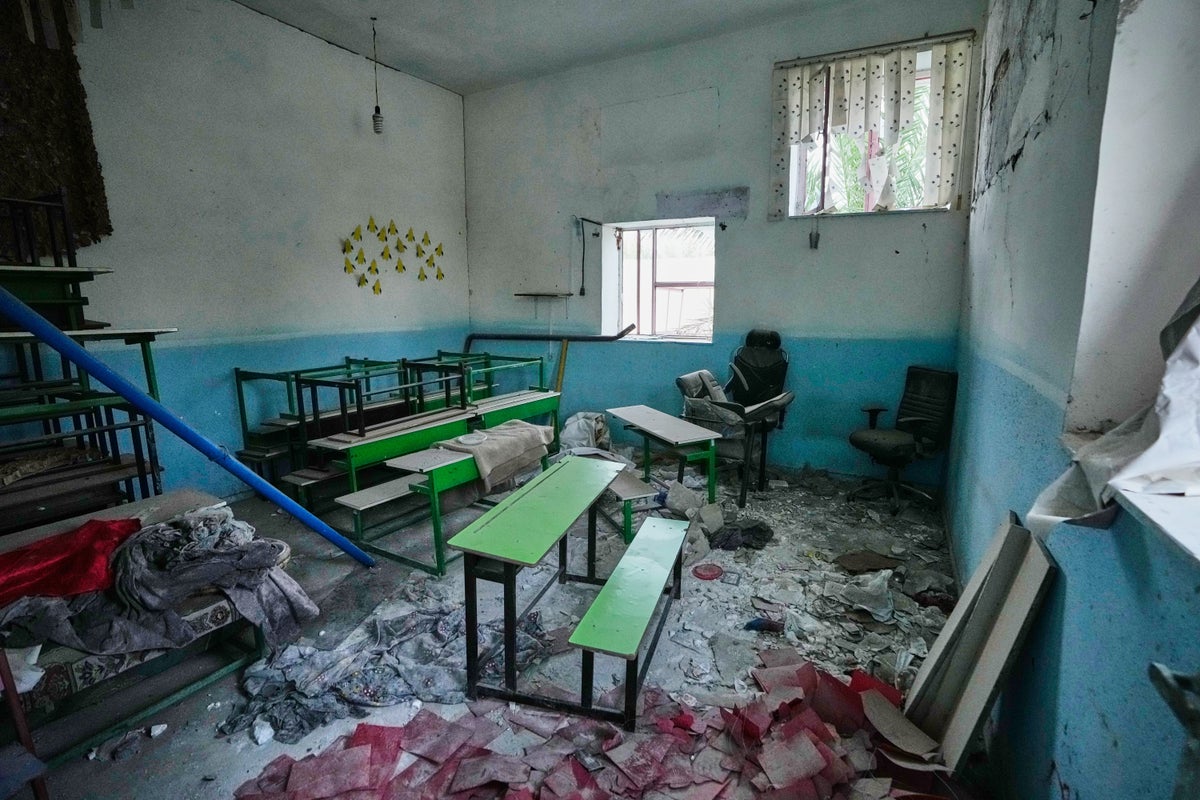
UN Panel Cites Grounds for US War Crimes in Iran Strikes
The Iran conflict enters a new phase focused on reconstruction after US strikes destroyed nuclear sites. UN experts cite possible US war crimes killing civilians while oil prices stay elevated.

Trump Warns of Tariffs as EU Offers Canada Associate Status
The EU invited Canada as its first associate member on defense and energy. Trump called it a hostile act and threatened new tariffs on Europe in response.

Southern Redistricting Tests Black Voter Turnout in Midterms
GOP spending heavily to protect Trump-won districts amid concerns in Georgia. Democrats see voting rights rulings boosting Black turnout in Southern races.
Minnesota Judge Warns ICE Order Violations Threaten Rule of Law
A federal judge warned ICE operations in Minnesota threaten the rule of law. The administration has frozen billions in grants with pediatricians raising health care access alarms.
The Compass
You just read five takes on one story.
What's your take? Find your political shape in a few minutes.
Take the test