
Trump Signs 14-Point MOU Extending US-Iran Ceasefire
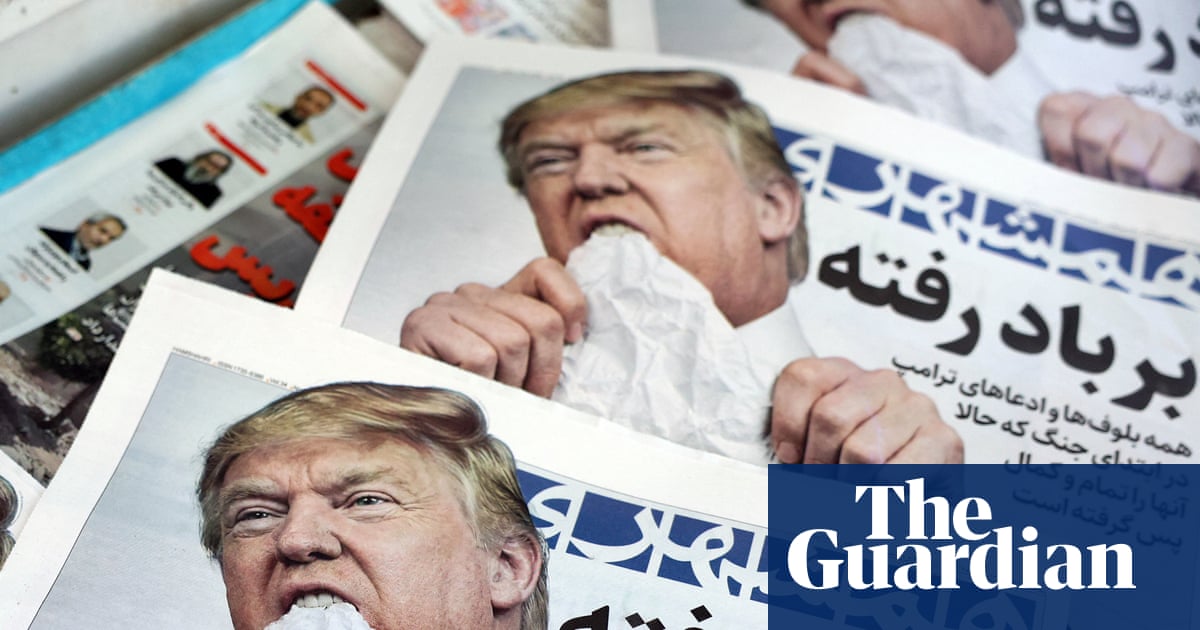
Cover image from theguardian.com, which was analyzed for this article
President Trump signed a 14-point MOU with Iran ending months of conflict, reopening the Strait of Hormuz, and granting sanctions relief on oil. The deal drew immediate criticism from Republicans and mixed global reactions while taking effect after G7 talks.
PoliticalOS
Wednesday, June 17, 2026 — Politics
The 14-point memorandum extends a ceasefire and reopens a critical shipping route but leaves nuclear and missile issues for further negotiation within 60 days. Republican criticism centers on the scale of sanctions relief and reconstruction financing, while Iran has signaled it will enforce compliance strictly and exclude its missile program from talks.
What outlets missed
Most coverage omitted any Israeli government reaction despite repeated references to Israel’s role in the February strikes and ongoing operations in Lebanon. Few outlets examined the precise legal status of the $300 billion reconstruction fund or whether Gulf states had committed funds. The full 14-point text remained unreleased, leaving unverified claims about asset unfreezing timelines and inspection mechanisms. Economic analyses of how quickly energy prices would fall or how long mines would block the strait received little attention.
Trump Pushes Forward With Iran Agreement Despite Vague Terms and Lingering Risks
President Trump used the G7 summit in France this week to promote a new memorandum of understanding with Iran aimed at extending a ceasefire and reopening the Strait of Hormuz to commercial traffic. The document, obtained by multiple outlets including CNN, outlines 14 broad points but leaves critical details on Iran's nuclear activities unresolved ahead of a planned signing in Switzerland on Friday.
The leaked text calls for an immediate end to hostilities across all fronts, including Lebanon, and commits parties to avoid future attacks. It sketches plans to lift the U.S. naval blockade on Iranian ports and restore shipping lanes through the strait, where roughly 1,500 vessels remain backed up after months of closures. Iranian tankers have already begun testing the reopened routes, with at least three vessels carrying crude oil reported to have crossed blockade lines in recent days.
Financial provisions in the memo reference potential access to a $300 billion development fund for Iran once commitments are met. The agreement would run for an initial 60-day period while technical talks address implementation. Trump described the memorandum as preliminary and warned that renewed military action remains an option. "If I don't like it, we'll go right back to dropping bombs on their heads," he said at the summit.
These developments come after nearly four months of U.S. and Israeli strikes on Iranian targets that began in late February. The conflict disrupted global oil flows and contributed to economic pressures at home. Trump has repeatedly contrasted his approach with the 2015 nuclear deal negotiated under President Obama, which he withdrew from in 2018 over concerns that it permitted continued uranium enrichment and failed to permanently curb Iran's nuclear infrastructure.
The current memo draws comparisons on those same fronts. Like the earlier accord, it imposes temporary limits rather than requiring dismantlement of enrichment facilities, and key restrictions appear subject to future negotiations. Iranian officials have signaled interest in normalized economic ties, while questions persist over enforcement and verification measures.
Israeli Prime Minister Benjamin Netanyahu has continued operations against Hezbollah targets in Lebanon, adding friction to the broader ceasefire framework. Trump noted the need for restraint from all sides but offered no public timeline for full details on nuclear safeguards or long-term security guarantees.
Industry analysts tracking the strait report gradual movement of vessels, though full resumption of the pre-conflict pace of 140 daily transits remains uncertain. U.S. forces have cleared some mines and established alternative pathways, yet Iranian compliance with free passage guarantees has not been fully tested at scale.
The memorandum's release, still unofficial, has prompted scrutiny over how much substance it contains beyond general statements of intent. White House officials indicated further talks will fill in specifics, but the document's broad language on enrichment caps and sanctions relief mirrors elements Trump once labeled inadequate. With the signing set for Friday, the coming weeks of negotiations will determine whether the framework produces lasting changes or simply pauses the conflict.
You just read America First's take. Want to read what actually happened?
More in Politics
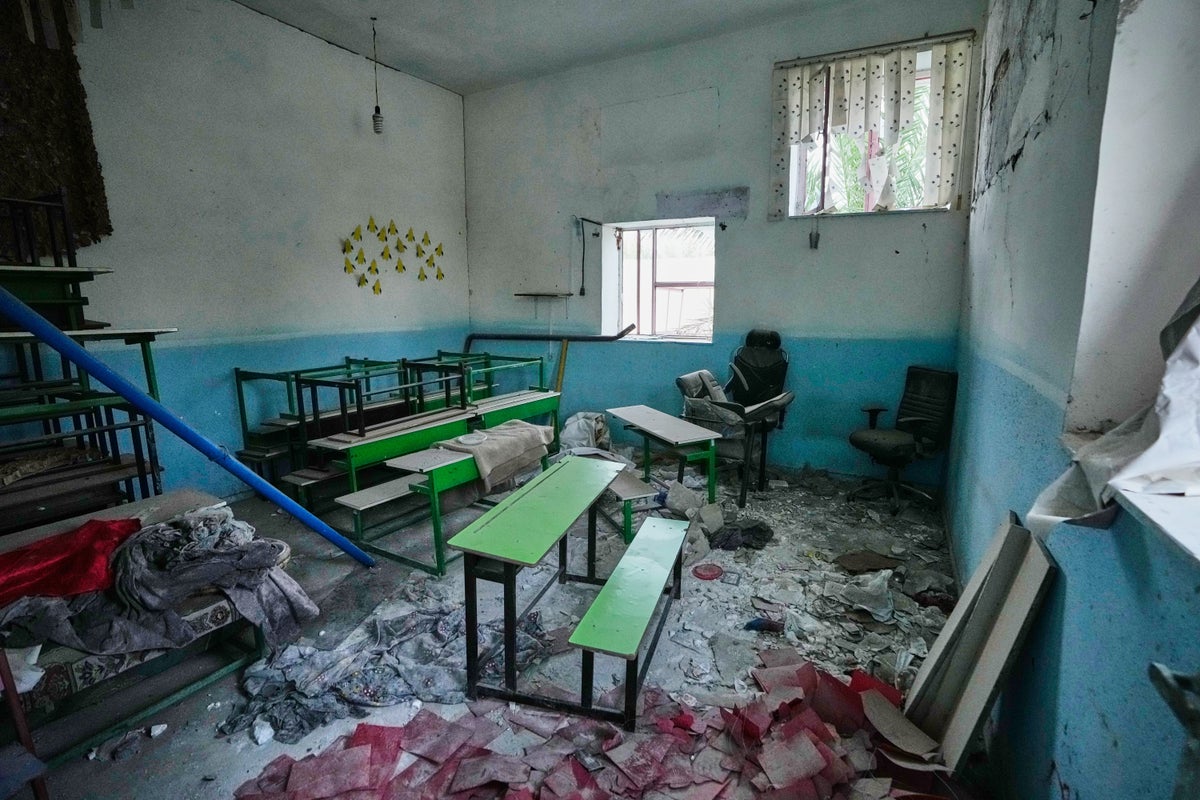
UN Panel Cites Grounds for US War Crimes in Iran Strikes
The Iran conflict enters a new phase focused on reconstruction after US strikes destroyed nuclear sites. UN experts cite possible US war crimes killing civilians while oil prices stay elevated.

Trump Warns of Tariffs as EU Offers Canada Associate Status
The EU invited Canada as its first associate member on defense and energy. Trump called it a hostile act and threatened new tariffs on Europe in response.

Southern Redistricting Tests Black Voter Turnout in Midterms
GOP spending heavily to protect Trump-won districts amid concerns in Georgia. Democrats see voting rights rulings boosting Black turnout in Southern races.
Minnesota Judge Warns ICE Order Violations Threaten Rule of Law
A federal judge warned ICE operations in Minnesota threaten the rule of law. The administration has frozen billions in grants with pediatricians raising health care access alarms.
The Compass
You just read five takes on one story.
What's your take? Find your political shape in a few minutes.
Take the test