
Trump Signs 14-Point MOU Extending US-Iran Ceasefire
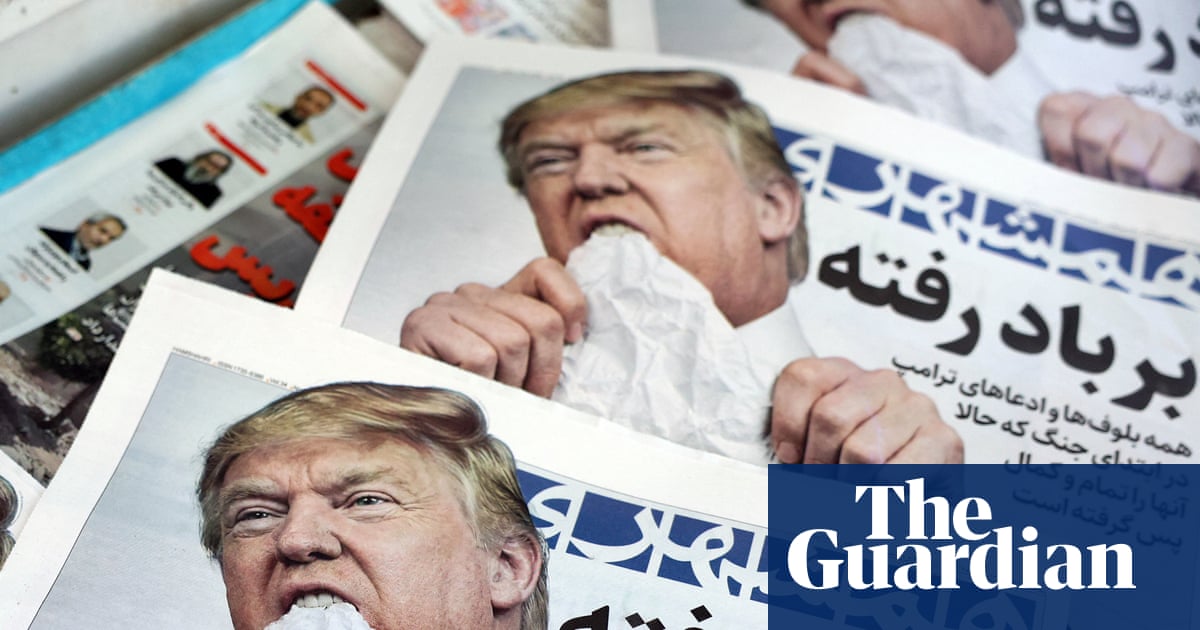
Cover image from theguardian.com, which was analyzed for this article
President Trump signed a 14-point MOU with Iran ending months of conflict, reopening the Strait of Hormuz, and granting sanctions relief on oil. The deal drew immediate criticism from Republicans and mixed global reactions while taking effect after G7 talks.
PoliticalOS
Wednesday, June 17, 2026 — Politics
The 14-point memorandum extends a ceasefire and reopens a critical shipping route but leaves nuclear and missile issues for further negotiation within 60 days. Republican criticism centers on the scale of sanctions relief and reconstruction financing, while Iran has signaled it will enforce compliance strictly and exclude its missile program from talks.
What outlets missed
Most coverage omitted any Israeli government reaction despite repeated references to Israel’s role in the February strikes and ongoing operations in Lebanon. Few outlets examined the precise legal status of the $300 billion reconstruction fund or whether Gulf states had committed funds. The full 14-point text remained unreleased, leaving unverified claims about asset unfreezing timelines and inspection mechanisms. Economic analyses of how quickly energy prices would fall or how long mines would block the strait received little attention.
Trump Advances Framework For Iran Ceasefire As Details And Durability Remain Unclear
President Trump used the G7 summit in Evian, France, this week to highlight a tentative agreement with Iran that would extend a ceasefire reached after months of U.S. and Israeli military action. The memorandum of understanding, described by officials as an interim step rather than a final accord, centers on reopening the Strait of Hormuz to commercial traffic and establishing a 60-day period for further talks on Iran’s nuclear program and related issues.
A copy of the 14-point document obtained by multiple outlets shows broad commitments to end hostilities across fronts including Lebanon, lift the U.S. naval blockade on Iranian ports, and provide Iran access to a $300 billion development fund contingent on compliance. The text remains vague on core nuclear restrictions, however, leaving questions about enrichment limits, stockpile reductions and verification mechanisms for later negotiation. Trump told reporters the memorandum is not final and warned that the United States would resume strikes if Iran failed to meet expectations during implementation.
Shipping movements offer the clearest early signal of progress. Several Iranian tankers carrying crude oil have crossed the previous blockade line in recent days, the first such exports in two months according to vessel tracking data. Before the conflict began, roughly 140 ships transited the strait daily; analysts estimate more than 1,500 vessels remain queued inside the Persian Gulf awaiting safe passage. U.S. forces have already cleared some mines and established an alternate route off Oman, though full restoration of normal traffic volumes will require sustained Iranian cooperation.
The agreement arrives against a backdrop of economic strain. Global oil prices have eased on news of the framework, yet the preceding closure of the strait and associated disruptions contributed to higher energy costs worldwide. Domestically, the conflict has weighed on Trump’s standing even among some Republican voters, according to recent polling.
Israeli actions add another layer of complexity. While the memorandum calls for an end to fighting on all fronts, Israeli operations against Hezbollah in Lebanon have continued, and Iranian negotiators have signaled reluctance to finalize terms without firmer assurances on that front. Trump has urged Israeli Prime Minister Benjamin Netanyahu to show restraint, noting their previously close relationship while emphasizing the need for de-escalation.
Compared with the 2015 nuclear deal negotiated under President Obama, the current framework is narrower in scope at this stage. The earlier agreement imposed specific caps on uranium enrichment and included sunset clauses that gradually relaxed restrictions; the new memorandum defers many of those details to upcoming technical talks. Administration officials describe the coming weeks as an opportunity to address outstanding issues, though the absence of concrete benchmarks in the leaked text has fueled skepticism among critics.
Trump is scheduled to hold a news conference Wednesday morning before returning to Washington. Lawmakers and foreign governments will be watching for clearer commitments on verification, sanctions relief sequencing and enforcement mechanisms. The memorandum’s success will ultimately depend on whether the broad principles outlined this week can be translated into enforceable arrangements that satisfy both security concerns and Iranian economic demands.
You just read Liberal's take. Want to read what actually happened?
More in Politics
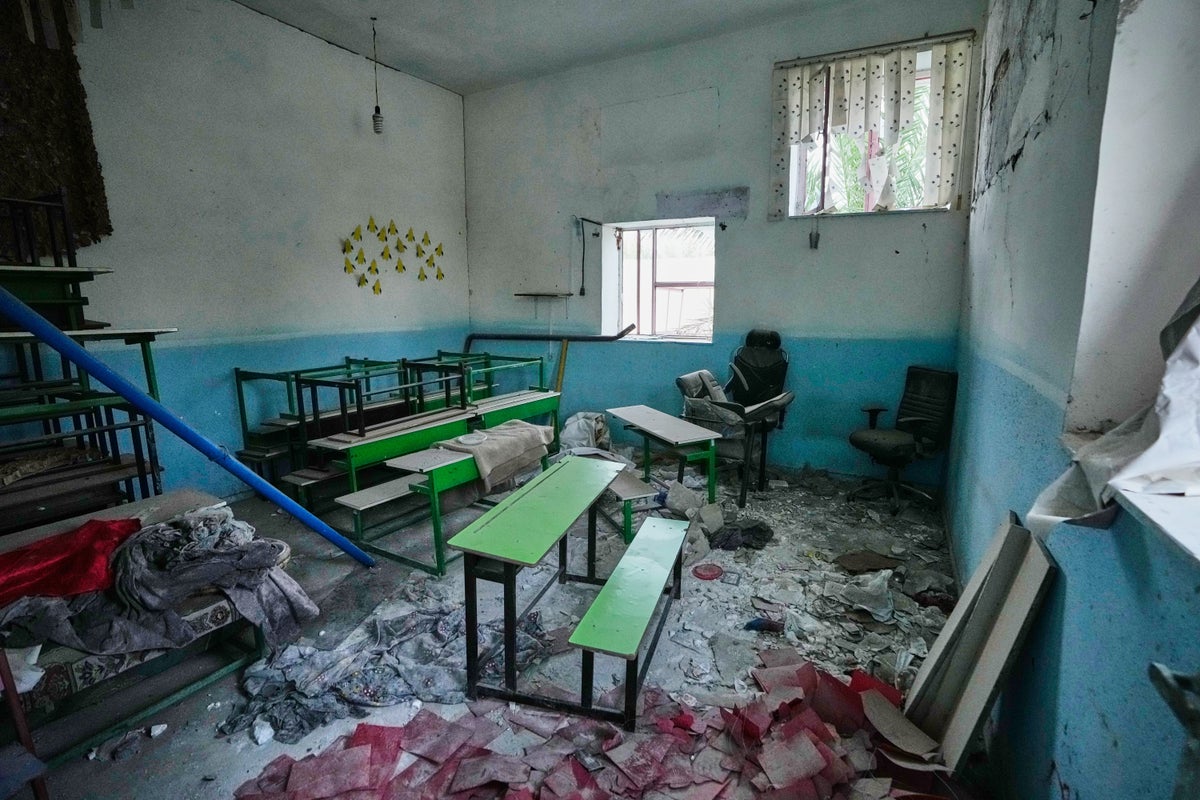
UN Panel Cites Grounds for US War Crimes in Iran Strikes
The Iran conflict enters a new phase focused on reconstruction after US strikes destroyed nuclear sites. UN experts cite possible US war crimes killing civilians while oil prices stay elevated.

Trump Warns of Tariffs as EU Offers Canada Associate Status
The EU invited Canada as its first associate member on defense and energy. Trump called it a hostile act and threatened new tariffs on Europe in response.

Southern Redistricting Tests Black Voter Turnout in Midterms
GOP spending heavily to protect Trump-won districts amid concerns in Georgia. Democrats see voting rights rulings boosting Black turnout in Southern races.
Minnesota Judge Warns ICE Order Violations Threaten Rule of Law
A federal judge warned ICE operations in Minnesota threaten the rule of law. The administration has frozen billions in grants with pediatricians raising health care access alarms.
The Compass
You just read five takes on one story.
What's your take? Find your political shape in a few minutes.
Take the test