
High-Stakes US-Iran Talks Open in Pakistan Amid Fragile Ceasefire

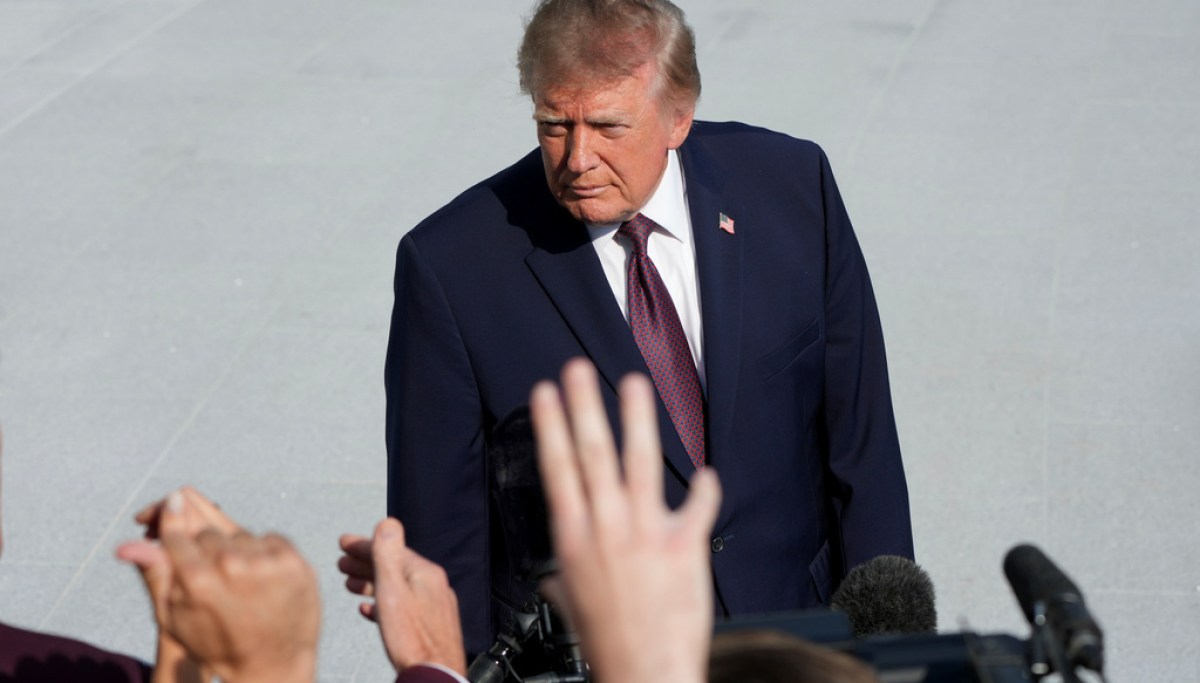
Cover image from thegatewaypundit.com, which was analyzed for this article
High-stakes US-Iran negotiations kicked off in Islamabad with Vice President JD Vance, Steve Witkoff, and Jared Kushner meeting Iranian officials to secure a ceasefire, reopen the Strait of Hormuz, and end the conflict. Pakistan's PM called the talks make-or-break amid fragile truce. Delegations arrived after weeks of diplomacy as Trump extends compliance deadlines.
PoliticalOS
Saturday, April 11, 2026 — Politics
These talks represent the best current chance to stabilize global energy flows and prevent another round of destructive Middle East conflict, but success hinges on verifiable Iranian compliance on the Strait of Hormuz and nuclear limits against credible sanctions relief. The central unresolved question is whether deep mutual mistrust, inconsistent Iranian proposals and clashing preconditions will allow any durable framework to emerge this weekend. Readers should track concrete indicators like tanker traffic data and asset-release announcements rather than optimistic rhetoric from any side.
What outlets missed
Most coverage omitted the full sequence of war origins, including Iran's January-February 2026 crackdown on anti-government protests that killed over 1,000 civilians and accelerated its nuclear breakout attempt, which directly preceded the February 28 decapitation strikes on Khamenei. Few noted this was the fourth round of U.S.-Iran talks since mid-2025, with prior sessions in Muscat, Rome and Geneva producing limited procedural gains. Casualty figures, Iranian retaliation details (400 initial missiles, 13-15 U.S. troop deaths) and the dual-track U.S. approach of negotiations plus ongoing military preparations were routinely downplayed. Pakistan's specific 10-point framework contributions and the exact status of Lebanese ceasefire demands also received inconsistent treatment, leaving readers without a complete timeline of mutual violations that define the current mistrust.
Global energy markets teeter and American consumers face surging gas prices as the United States and Iran sit down for their highest-level direct negotiations in over a decade. The talks, hosted by Pakistan in Islamabad on April 11, 2026, aim to transform a two-week-old ceasefire into something durable, reopen the Strait of Hormuz to full shipping traffic and prevent renewed conflict that has already disrupted 20 percent of the world's oil flow. Failure carries the risk of resumed airstrikes, further economic pain and potential wider regional escalation involving Israel and Lebanon's fragile border.
The central tension is trust. Both sides accuse the other of ceasefire violations. Iran closed the Strait of Hormuz after Israeli strikes on Lebanon, according to Iranian state media and Bloomberg reporting, throttling tanker traffic to near zero at points despite a U.S.-brokered pause announced April 7. The U.S. demands full reopening, limits on uranium enrichment and curbs on ballistic missiles. Iran insists on a Lebanon ceasefire, release of its frozen assets and sanctions relief before any deeper concessions, per statements from its lead negotiator Mohammad Bagher Ghalibaf. Pakistan's Prime Minister Shehbaz Sharif called the weekend sessions "make or break," according to his office and Al Jazeera coverage.
The war that led here began February 28, 2026. U.S. and Israeli strikes targeted Iranian nuclear facilities, missile sites and naval assets, killing Supreme Leader Ali Khamenei and thousands of others including civilians, according to Reuters tallies, RAND Corporation analysis and human rights monitors. The strikes followed Iran's rapid nuclear advances and a brutal crackdown on domestic protests that left over 1,000 dead. Iran retaliated with ballistic missile barrages that killed dozens in Israel and U.S. personnel at regional bases. A partial ceasefire took hold only after weeks of back-channel diplomacy involving Pakistan, Egypt, Turkey and China.
Vice President JD Vance leads the American side, joined by special envoy Steve Witkoff and Jared Kushner. They arrived at Islamabad's Serena Hotel after separate meetings with Pakistani officials, per pool photography and White House readouts. Iran's delegation is headed by parliamentary speaker Ghalibaf and Foreign Minister Abbas Araghchi. The two sides are not necessarily meeting face-to-face in the same room, a U.S. official told the New York Post, though Pakistani mediators shuttle between them. This marks the fourth round of such contacts since 2025, building on earlier sessions in Muscat, Rome and Geneva.
Vance described the Iranian position as inconsistent. He told reporters Iran submitted three versions of a 10-point peace framework, one so incoherent U.S. officials suspected it was AI-generated, according to an episode of the Patriot Perspective podcast that quoted him directly. A second draft showed progress aligned with U.S. goals on the strait and enrichment. A third reverted to maximalist demands. Trump, posting on Truth Social, said Iran "has no cards" and accused it of extorting tanker fees through the strait, claims echoed in CNBC reporting though exact posts could not be independently located in public archives.
Economic pressure looms over both capitals. The U.S. Bureau of Labor Statistics reported the fastest monthly inflation spike in four years on April 11, driven largely by energy costs, per its official release. Polls show the war unpopular: an Economist/YouGov survey found only one-third of Americans supported it even somewhat, with opposition highest among independents and those seeing sharp local gas price increases. In Iran, the combination of strikes, sanctions and internal unrest has left the regime balancing survival against concessions.
Pakistan's role stands out. Its officials brokered the initial truce after shuttling proposals between Washington and Tehran, earning public credit from both Trump and Iran's foreign ministry, according to NPR's on-the-ground reporting and Pakistani government statements. Security in Islamabad is extreme: barbed wire, roadblocks and 10,000 personnel guard the Red Zone. Yet expectations remain modest. Analysts from the Quincy Institute and Defense Priorities, cited across multiple outlets, predict at best incremental progress on de-escalation steps such as partial U.S. troop drawdowns and further Iranian assurances on the strait. Full resolution on nuclear issues or ballistic missiles appears distant.
The weekend's outcome remains uncertain. A solid ceasefire framework or even agreement to keep talking would mark progress after six weeks of war. Continued deadlock, however, leaves both sides eyeing military options again. The world is watching the strait: every day of restricted traffic ripples through fuel prices, inflation reports and diplomatic calculations from Beijing to Brussels.
More in Politics

Federal Agents Search Omar Home in Ongoing Immigration Probe
Homeland Security agents searched the Minnesota Democrat's DC residence in a criminal probe, prompting accusations of political intimidation from Omar and Democratic leaders. Coverage spans left-leaning outlets like NPR, BBC, and The Guardian alongside right-leaning criticism from The Federalist and Daily Wire.

Trump Diesel Import Plan Draws Pushback Over Russia Ties
The weekend agreement drew bipartisan congressional pushback and criticism from Ukraine's Zelenskyy, with analysts downplaying US fuel price impacts. Right-leaning outlets like National Review, Dispatch, and Washington Examiner questioned its legality and effectiveness.

Independents Test Voter Appetite for Middle Ground in 2026 Midterms
Nearly 200 independents are running in competitive races as voters weigh ballot measures on housing costs in states like Massachusetts. Left-leaning coverage from NYT, NPR, and Guardian highlights turnout and key races while right outlets focus on GOP strategy.
Trump Rallies in Alaska, Ohio to Bolster GOP Senate Candidates
The president rallied in Wasilla for Sen. Dan Sullivan and faced empty seats at an Ohio event amid midterm concerns. Outlets across the spectrum covered the trips as signals of GOP vulnerability weeks before Election Day.
The Compass
You just read five takes on one story.
What's your take? Find your political shape in a few minutes.
Take the test