
US Treasury to unveil sweeping Iran sanctions as rial hits record low
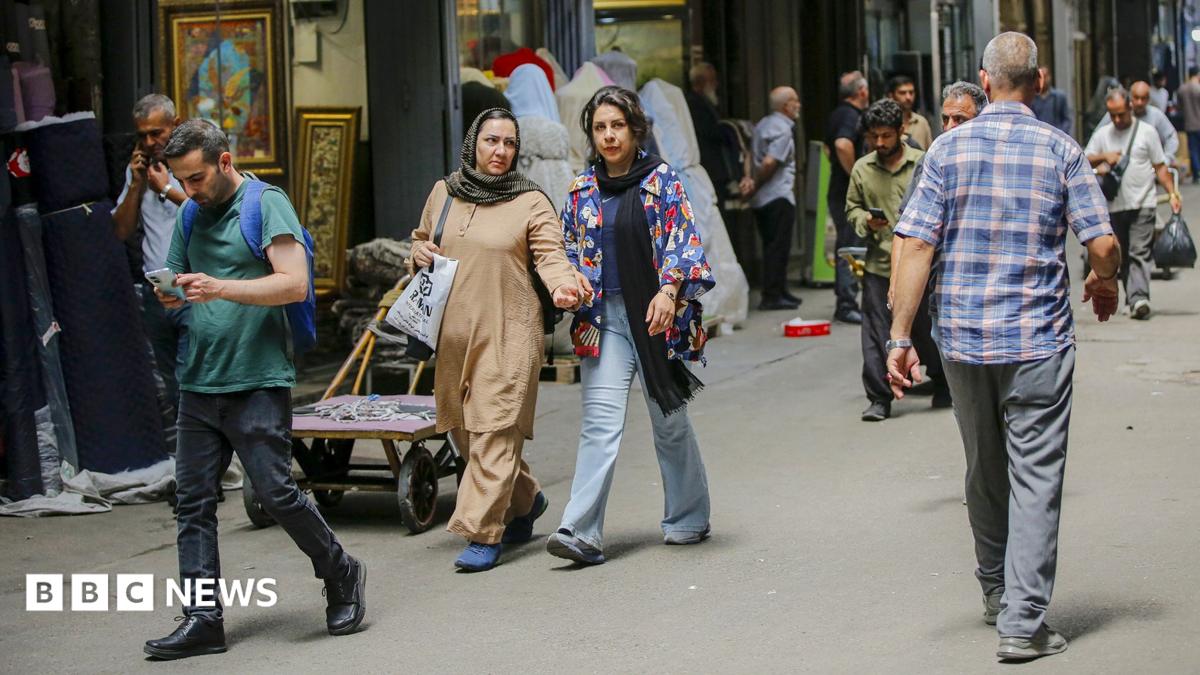
Cover image from bbc.co.uk, which was analyzed for this article
Treasury Secretary Scott Bessent is set to unveil an unprecedented sanctions package against Iran, described as an 'economic D-Day.' Iranian officials have called the move an act of war as the rial hits record lows.
PoliticalOS
Monday, August 24, 2026 — Politics
The US is preparing the broadest sanctions package yet against Iran while the rial collapses and Tehran warns of retaliation that could affect Gulf oil exports. Enforcement will hinge on whether secondary measures reach China and other trading partners. The outcome remains tied to unresolved questions over the Strait of Hormuz and the six-month conflict.
What outlets missed
Several outlets omitted the documented history of Iran’s nuclear program and ballistic-missile development as stated US policy triggers for sanctions. Most reports did not record that Chinese purchases of Iranian oil already violate prior US sanctions still in force. Coverage rarely included the multi-phase structure of the conflict since February 28, including earlier ceasefires and renewed fighting. Claims of Iranian oil revenue growth cited from Iranian state media were presented without independent shipping or export data for verification.
Iran's Currency Reaches Record Low Ahead of Expected US Sanctions Announcement
Iran’s rial fell to a fresh record low on informal markets Monday, trading at 2.02 million to the dollar, as the United States prepared to detail a new round of economic measures against Tehran that officials have described as an “economic D-Day.” The drop came after months of already severe pressure on the Iranian economy from existing sanctions, a naval blockade of its ports, and nearly six months of conflict with the United States and Israel that began on February 28.
The informal exchange rate, the one most Iranians actually encounter, has diverged sharply from the official Central Bank figure of roughly 1.5 million rials per dollar. Even before the war, Iran was dealing with double-digit inflation and contracting output. The additional disruptions of blocked oil exports and restricted access to foreign currency have accelerated the decline, leaving ordinary households facing steeper costs for imported goods and a further erosion of savings.
Treasury Secretary Scott Bessent is scheduled to outline the measures at a press conference later Monday. In advance comments, including an opinion piece in the Financial Times, he characterized the coming steps as the “single greatest financial offensive ever marshaled against an adversary.” The administration has already imposed broad restrictions on Iran’s banking, energy, aviation, and cryptocurrency sectors, and it has sought to deter third countries from purchasing Iranian oil. The new actions are expected to intensify secondary sanctions aimed at any foreign financial institutions or companies that continue to facilitate trade with Tehran.
Iranian officials have responded with threats of their own. Security chief Mohsen Rezaei warned that if neighboring states join the sanctions effort, Iran would prevent any oil from leaving the Persian Gulf and would target other export routes as well. Tehran has also signaled that it could seize vessels violating its transit rules in the Strait of Hormuz, through which roughly one-fifth of global oil trade normally passes. Foreign Minister Abbas Araghchi dismissed the U.S. plans as “economic terrorism” that would only deepen Iranian resolve and warned of retaliation that could affect energy markets far beyond the region.
The Trump administration has framed the sanctions push as the endgame of a campaign that has already damaged Iran’s military and nuclear infrastructure. Yet the conflict has not produced the diplomatic concessions Washington has sought. Iran retains effective control over Hormuz traffic, and talks mediated by third parties have so far failed to produce a durable ceasefire. Reports indicate that Iran and Oman are in advanced discussions over joint management of the strait, an arrangement that would give Tehran significant influence over Gulf shipping lanes—an outcome that has drawn sharp criticism from President Trump toward the American ally.
For U.S. policymakers, the challenge lies in calibrating pressure that weakens the Iranian government without triggering wider disruptions to global energy supplies or pushing China and other buyers further into alternative payment systems. The rial’s latest plunge illustrates how sanctions can rapidly affect currency values and living standards, but it also underscores the limits of economic tools when military and diplomatic tracks remain stalled. Bessent’s announcement is expected to clarify whether the next phase targets specific remaining revenue streams or broadens the net of secondary penalties on third-party actors.
You just read Liberal's take. Want to read what actually happened?
More in Politics
Democrats Flip Senate, Expand House Majority in Midterms
Democrats flipped the Senate and expanded their House majority in a major rebuke to President Trump and Republicans. Key victories included multiple Senate seats and state-level wins that ended long-standing GOP dominance in places like Texas.
GOP Losses Spur Blame, Vance Distancing, 2028 Maneuvers
Republicans are pointing fingers internally after heavy losses, with Vice President JD Vance distancing himself from Trump over the Iran war and positioning for a potential 2028 run. Challengers within the party are already sensing opportunity.
Democrats Take House and Senate Amid Record Midterm Turnout
Democrats achieved decisive gains in the 2026 midterms, flipping seats to take control of both chambers. Coverage highlights historic turnout and implications for the Trump administration.
Democrats Take House and Senate, Constraining Trump
Democrats flipped both the House and Senate in a major rebuke to President Trump and Republicans. The results create divided government and set up battles over spending, oversight, and foreign policy for the remainder of Trump's term.
The Compass
You just read five takes on one story.
What's your take? Find your political shape in a few minutes.
Take the test