
US-Iran Conflict Drags On With Extended Deployments and Oil Disruptions

Cover image from cnbc.com, which was analyzed for this article
Fresh US military actions in Iran have killed civilians including at a wedding, with Iran responding via naval claims in the Strait of Hormuz. Trump frames the fight as protecting allies while markets react to tensions.
PoliticalOS
Wednesday, June 10, 2026 — Politics
The central unresolved tension is whether the United States can claim effective control and an end to hostilities while sustaining large-scale deployments, facing reduced commercial traffic, and absorbing Iranian counterstrikes. Readers should weigh official assertions on oil flows against independent shipping counts and note that political considerations are shaping the pace of any de-escalation.
What outlets missed
Most coverage omitted detailed casualty figures or specific strike locations beyond general references to U.S. actions and Iranian retaliation. No outlet provided independent verification of claims about total control of the strait or the precise start date of the six-month campaign. The analyses also left unexamined the long-term effects on global supply chains for East Asian manufacturing nations that rely on Hormuz transit. Internal administration options for escalation, such as strikes on nuclear sites, appeared only in passing without sourcing on their status.
Trump Orders Strikes on Iranian Targets After Helicopter Downing
US forces conducted self-defense strikes against Iranian air defense and radar sites near the Strait of Hormuz on Tuesday evening after Iran downed a US Army Apache helicopter the previous day. Two pilots were rescued unharmed. The action followed President Donald Trump's statement that the incident could not go unanswered, with Central Command describing the response as proportional to attacks on US forces and shipping.
Iran's Islamic Revolutionary Guard Corps retaliated early Wednesday by launching missiles and drones at US-linked facilities in Jordan, Kuwait, and Bahrain. Jordanian forces reported intercepting five missiles aimed at the al-Azraq base. US officials indicated nearly all incoming projectiles were defeated with no reported American casualties. Iranian state media claimed strikes on multiple targets, including facilities housing F-35 aircraft, though verification remains limited.
The exchange occurred against a backdrop of extended negotiations for a broader agreement addressing Iran's nuclear program and regional behavior. Vice President JD Vance noted that a deal beneficial to US interests could take weeks or months to finalize. Trump posted on Truth Social that Iran had delayed talks too long and would now face consequences, adding that its military infrastructure was in disarray and largely ineffective.
Prior US strikes focused on command nodes and surveillance equipment rather than broader infrastructure. Reports indicate Trump has considered additional measures targeting power plants and bridges if negotiations continue without progress. A naval blockade of Iranian ports has restricted oil exports, with estimates suggesting some shipments evade detection through transponder shutdowns.
Iranian officials warned of further retaliation and accused the US of undermining diplomacy. Foreign Minister Abbas Araghchi stated that attacks would not go unanswered. The sequence reflects repeated cycles where Iranian actions prompt measured American responses without immediate escalation to wider conflict.
Historical patterns in the region show that perceived weakness often invites further challenges, while clear demonstrations of resolve can shift incentives toward negotiation. The current approach emphasizes restoring deterrence after the helicopter incident while keeping channels open for an agreement that limits Iran's nuclear capabilities long term. Oil prices rose modestly following the developments, reflecting market sensitivity to supply route stability in the Strait of Hormuz.
Both sides have sustained the fragile framework established earlier this year despite these incidents. US statements stress that the strikes were limited and defensive in nature. Iranian responses appear calibrated to avoid direct confrontation with superior American naval and air assets.
You just read Conservative's take. Want to read what actually happened?
More in Politics
Polls Show Democratic Edges in Pennsylvania House Races Amid Kansas Senate Strain
Early voting began in key states with Democrats showing edges in House races and Trump barnstorming to defy headwinds as forecasters highlight competitive battlegrounds.

Trump Defends Ramaswamy Ad Using Estranged Mother in Ohio Race
President Trump defended a GOP nominee's ad featuring a Democratic opponent's estranged mother, calling it powerful, while drawing criticism from some Republicans including Ohio Gov. Mike DeWine. The ad has sparked internal GOP tensions ahead of midterms.
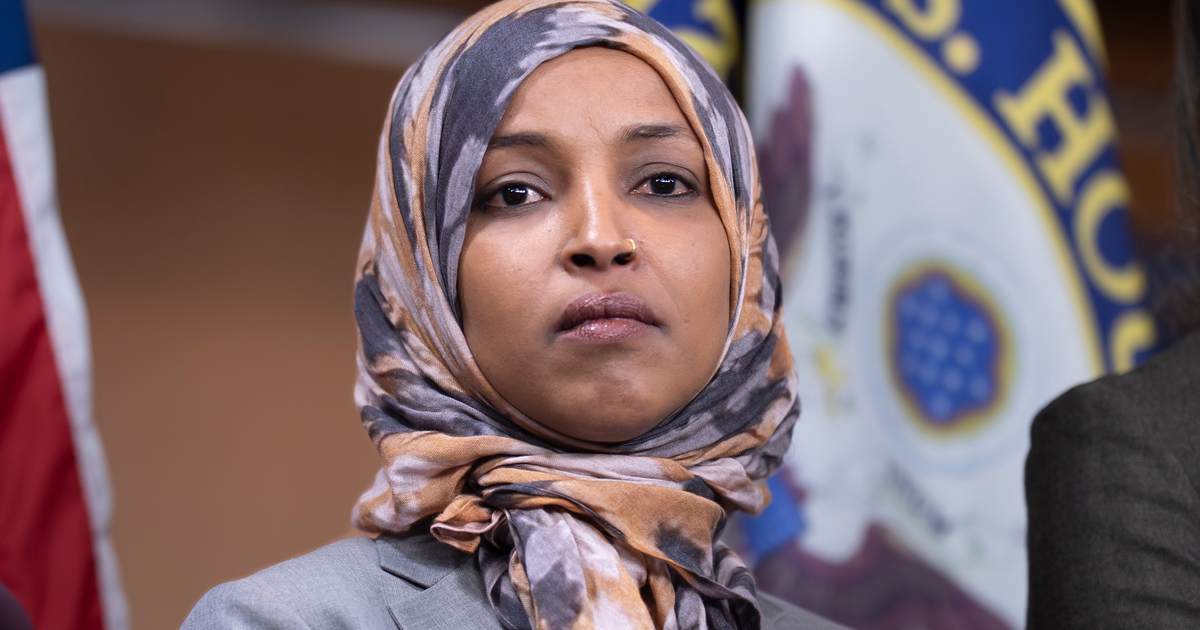
Federal Raid Targets Omar Amid Unresolved Name and Marriage Allegations
Agents searched Rep. Ilhan Omar's DC residence over immigration fraud allegations; she called it bizarre. Reports and commentary questioned her birth name and past marriage details.

Supreme Court Upholds New Hampshire Student ID Voting Ban
The Supreme Court upheld New Hampshire's ban on student IDs as valid voter identification just before midterms, affecting a tight Senate race.
The Compass
You just read five takes on one story.
What's your take? Find your political shape in a few minutes.
Take the test