
US-Iran Talks Postponed After Vance Cancels Switzerland Trip

Cover image from npr.org, which was analyzed for this article
Planned US-Iran talks in Switzerland were abruptly canceled as VP JD Vance scrapped his trip. Israeli strikes on Lebanon have complicated the fragile truce and raised doubts about the deal's durability.
PoliticalOS
Friday, June 19, 2026 — Politics
The core development is the postponement of follow-up talks after Vance's trip was canceled, driven by ongoing Israeli operations in Lebanon that Iran insists violate the memorandum's terms. The agreement's durability now depends on whether the United States can secure compliance on Lebanon while the 60-day clock continues.
What outlets missed
Several outlets presented unverified poll numbers on public opinion or fabricated survey attributions without independent confirmation. Coverage often omitted the precise sequence of Hezbollah attacks on Israeli positions that preceded the reported Israeli strikes. Few outlets supplied the full text or enumerated 14 points of the memorandum itself, leaving readers without a primary-source baseline for evaluating claims about concessions or obligations.
The abrupt postponement of planned technical talks between the United States and Iran has left a newly signed memorandum of understanding under immediate strain. Vice President JD Vance was set to lead the US delegation to Switzerland on Friday, but the White House announced late Thursday that the trip would not proceed because logistics had not been finalized. Switzerland's foreign ministry confirmed the meeting at the Burgenstock resort near Lucerne had been delayed, though it said preparatory work continues.
The memorandum, signed earlier in the week by President Donald Trump and Iranian President Masoud Pezeshkian, established a 60-day window for further negotiations. It called for an end to military operations on all fronts, including Lebanon, the lifting of the US naval blockade on Iranian ports, and the reopening of the Strait of Hormuz. US Central Command stated it had ended blockade enforcement as required. Iranian state media reported a temporary suspension of transit tolls through the strait.
Israeli strikes in southern Lebanon continued after the memorandum was announced. Lebanese health authorities reported at least 18 people killed overnight into Friday, with additional injuries. The Israel Defense Forces said the operations targeted Hezbollah infrastructure and fighters and reported four Israeli soldiers killed in the same period. Israeli Prime Minister Benjamin Netanyahu stated forces would remain in a security zone in southern Lebanon for as long as security needs require. Israel's National Security Minister Itamar Ben-Gvir wrote that all of Lebanon must burn and that the agreement does not bind Israel.
Iranian officials linked the delay in sending negotiators to the continued fighting in Lebanon. Iran's chief negotiator Mohammad Bagher Ghalibaf said any talks would remain bound by Tehran's red lines, including a halt to Israeli attacks. The White House described the logistics as neither simple nor predictable and expressed readiness to begin technical talks as soon as possible.
The memorandum does not include Israel or Hezbollah as signatories. It requires both the United States and Iran to ensure Lebanon's territorial integrity and sovereignty, yet provides no enforcement mechanism for that clause. Multiple Republican senators, including Bill Cassidy and Roger Wicker, publicly questioned whether the agreement sufficiently addresses Iran's nuclear program or rewards prior threats to close the Strait of Hormuz.
Casualty figures from the preceding months of conflict remain incomplete. Iranian state sources reported more than 3,400 deaths inside Iran by mid-April. Lebanese health authorities reported more than 3,900 deaths from Israeli operations since March. Israeli authorities reported 60 deaths, including 31 soldiers. Experts from Action on Armed Violence noted that access restrictions, internet blackouts, and the presence of armed groups make full verification difficult and that final totals are likely to remain contested.
The postponement leaves the 60-day clock running while fighting in Lebanon continues and while the United States and Iran have not yet begun the technical discussions the memorandum was meant to launch.
More in Politics
UN Panel Cites Grounds for US War Crimes in Iran Strikes
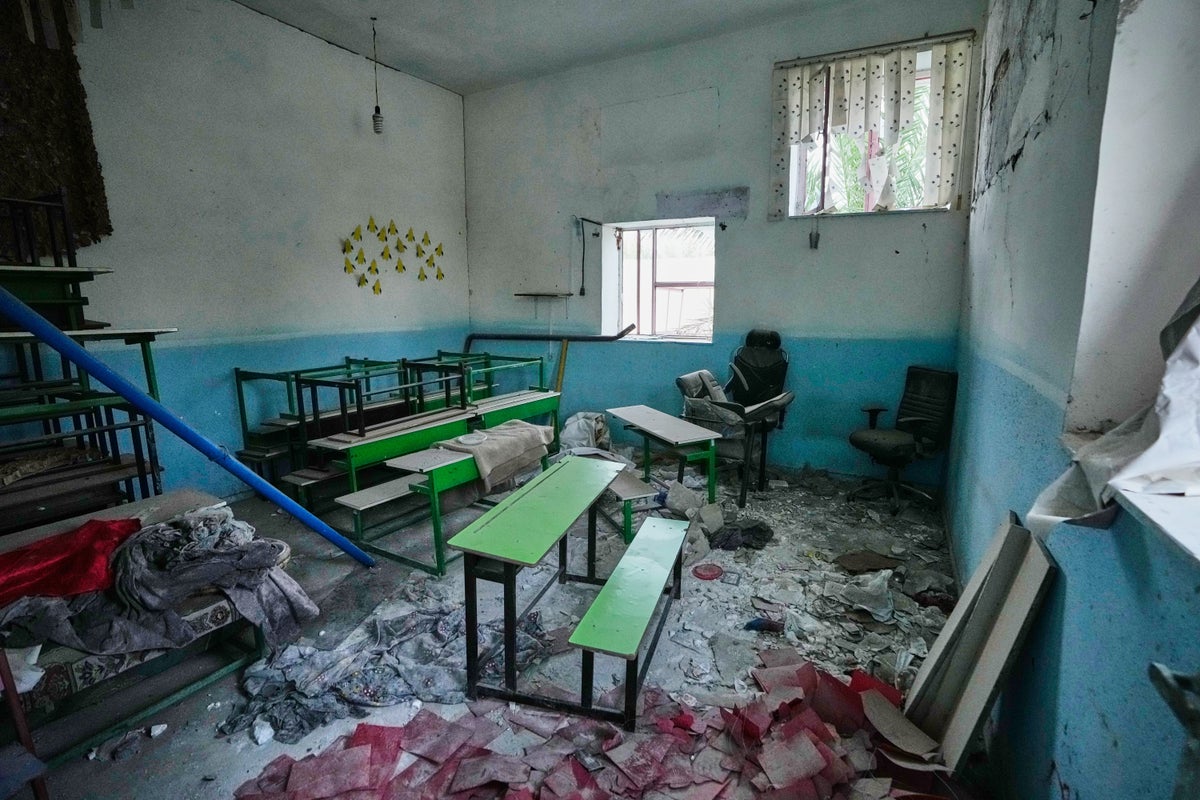
The Iran conflict enters a new phase focused on reconstruction after US strikes destroyed nuclear sites. UN experts cite possible US war crimes killing civilians while oil prices stay elevated.

Trump Warns of Tariffs as EU Offers Canada Associate Status
The EU invited Canada as its first associate member on defense and energy. Trump called it a hostile act and threatened new tariffs on Europe in response.

Southern Redistricting Tests Black Voter Turnout in Midterms
GOP spending heavily to protect Trump-won districts amid concerns in Georgia. Democrats see voting rights rulings boosting Black turnout in Southern races.
Minnesota Judge Warns ICE Order Violations Threaten Rule of Law
A federal judge warned ICE operations in Minnesota threaten the rule of law. The administration has frozen billions in grants with pediatricians raising health care access alarms.
The Compass
You just read five takes on one story.
What's your take? Find your political shape in a few minutes.
Take the test