
US strikes Iran after missile attempt on troops in Jordan
Cover image from bbc.co.uk, which was analyzed for this article
The US conducted a new wave of strikes on Iranian targets in retaliation for an attempted attack on American forces, with reports of damage on Qeshm Island and Iranian pledges of response. Coverage spans escalation risks, oil market effects, and strategic debates across outlets.
PoliticalOS
Thursday, July 30, 2026 — Politics
The strikes represent another step in a continuing cycle of retaliation that began after the April ceasefire collapsed. Civilian casualties claimed by Iranian media remain unverified by other sources, while the risk of expanded conflict affecting oil routes and neighboring states continues to grow without a diplomatic off-ramp.
What outlets missed
Most coverage omitted the scale of prior US strikes on Iranian territory that preceded the latest Iranian missile attempt. Few outlets detailed the internal US debate over whether to expand the campaign into a sustained two-week operation against remaining Iranian missile launchers. Coverage also underplayed the specific economic losses Gulf states have recorded from repeated attacks on ports, power plants, and desalination facilities. The role of Saudi Arabia in both the Iraq strikes and reported diplomatic outreach to Washington received limited attention across the sample.
US Strikes Iranian Military Sites in Response to Missile Attacks on American Forces
The US military carried out a heavy wave of strikes against dozens of Islamic Revolutionary Guard Corps targets inside Iran late Wednesday, according to Central Command. The operation hit command centers, missile and drone facilities, coastal surveillance sites and maritime capabilities in multiple locations, including southern provinces and islands in the Persian Gulf.
The strikes followed Iranian ballistic missile launches aimed at a US base in Jordan and shipping lanes in the Strait of Hormuz. All five Iranian missiles were intercepted, with no reported American casualties or damage. CENTCOM described the American response as a direct reply to the attempted attacks on US forces and regional assets.
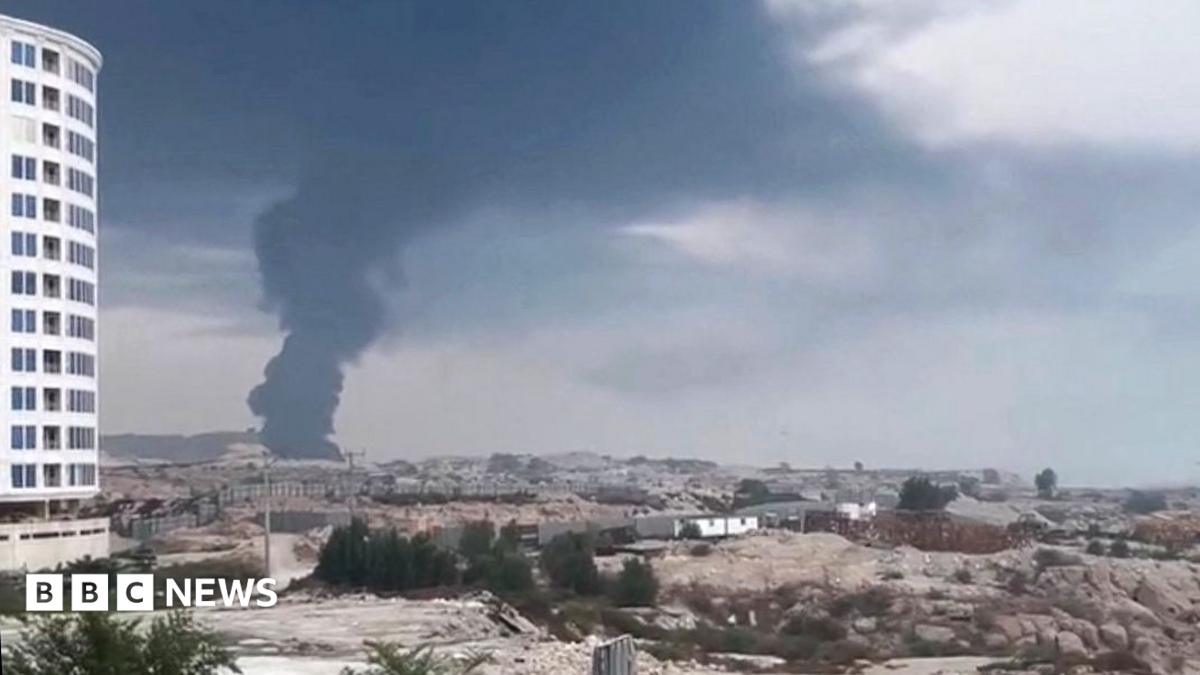
Iranian state media reported explosions in Fars province, Qeshm island and Kish island. Local accounts indicated at least three deaths on Qeshm, including a child, after a strike hit a residential area. The IRGC pledged further retaliation and warned against continued US pressure on its interests.
The latest round marks the end of a brief lull in fighting that began after an earlier ceasefire collapsed in June. Both sides have traded strikes and counterstrikes for months, with the US maintaining a blockade of Iranian ports while Iran has targeted American positions and commercial traffic through the vital strait. Gulf Arab states have absorbed repeated Iranian attacks on airports, power plants and energy infrastructure, producing sharp economic losses for economies dependent on stable oil exports.
Saudi Arabia has signaled through diplomatic channels its preference for de-escalation, reflecting the immediate costs borne by states located within range of Iranian retaliation. Unlike Israel, the Gulf nations lack independent capacity to defend against sustained missile and drone barrages. The uncertainty over safe passage through the Strait of Hormuz has already disrupted shipping and raised insurance costs for regional exporters.
President Trump stated that Iran would face hard retaliation and noted that the current exchange follows a pattern of alternating blows. Administration officials have indicated that talks with Tehran continue despite the renewed violence, though no details on participants or terms have been released. The pattern of limited pauses followed by resumed attacks suggests that deterrence remains incomplete without sustained pressure on Iranian military capabilities.
Economic data from the region shows measurable declines in port activity and power generation in affected Gulf states since the conflict intensified in February. These effects fall heaviest on civilian populations and commercial sectors that rely on uninterrupted energy flows. The United States, positioned thousands of miles away, faces different trade-offs than frontline states that must absorb spillover from any prolonged campaign against Iranian forces.
Further US strikes are expected in coming days, according to reports from defense officials tracking Iranian missile inventories. The focus remains on degrading launch platforms and command structures rather than broader territorial objectives.
You just read Conservative's take. Want to read what actually happened?
More in Politics
Democrats Flip Senate, Expand House Majority in Midterms
Democrats flipped the Senate and expanded their House majority in a major rebuke to President Trump and Republicans. Key victories included multiple Senate seats and state-level wins that ended long-standing GOP dominance in places like Texas.
GOP Losses Spur Blame, Vance Distancing, 2028 Maneuvers
Republicans are pointing fingers internally after heavy losses, with Vice President JD Vance distancing himself from Trump over the Iran war and positioning for a potential 2028 run. Challengers within the party are already sensing opportunity.
Democrats Take House and Senate Amid Record Midterm Turnout
Democrats achieved decisive gains in the 2026 midterms, flipping seats to take control of both chambers. Coverage highlights historic turnout and implications for the Trump administration.
Democrats Take House and Senate, Constraining Trump
Democrats flipped both the House and Senate in a major rebuke to President Trump and Republicans. The results create divided government and set up battles over spending, oversight, and foreign policy for the remainder of Trump's term.
The Compass
You just read five takes on one story.
What's your take? Find your political shape in a few minutes.
Take the test