
US strikes Iran after missile attempt on troops in Jordan
Cover image from bbc.co.uk, which was analyzed for this article
The US conducted a new wave of strikes on Iranian targets in retaliation for an attempted attack on American forces, with reports of damage on Qeshm Island and Iranian pledges of response. Coverage spans escalation risks, oil market effects, and strategic debates across outlets.
PoliticalOS
Thursday, July 30, 2026 — Politics
The strikes represent another step in a continuing cycle of retaliation that began after the April ceasefire collapsed. Civilian casualties claimed by Iranian media remain unverified by other sources, while the risk of expanded conflict affecting oil routes and neighboring states continues to grow without a diplomatic off-ramp.
What outlets missed
Most coverage omitted the scale of prior US strikes on Iranian territory that preceded the latest Iranian missile attempt. Few outlets detailed the internal US debate over whether to expand the campaign into a sustained two-week operation against remaining Iranian missile launchers. Coverage also underplayed the specific economic losses Gulf states have recorded from repeated attacks on ports, power plants, and desalination facilities. The role of Saudi Arabia in both the Iraq strikes and reported diplomatic outreach to Washington received limited attention across the sample.
Trump Keeps Pounding Iran While Gulf Allies Pay the Price
US Central Command carried out a heavy wave of strikes against Iranian Revolutionary Guard targets late Wednesday, hitting command centers, missile sites and coastal defenses in response to Tehran's failed ballistic missile launch at an American base in Jordan. The operation lasted two hours and followed President Trump's public vow that Washington would hit back hard after a brief lull in fighting.
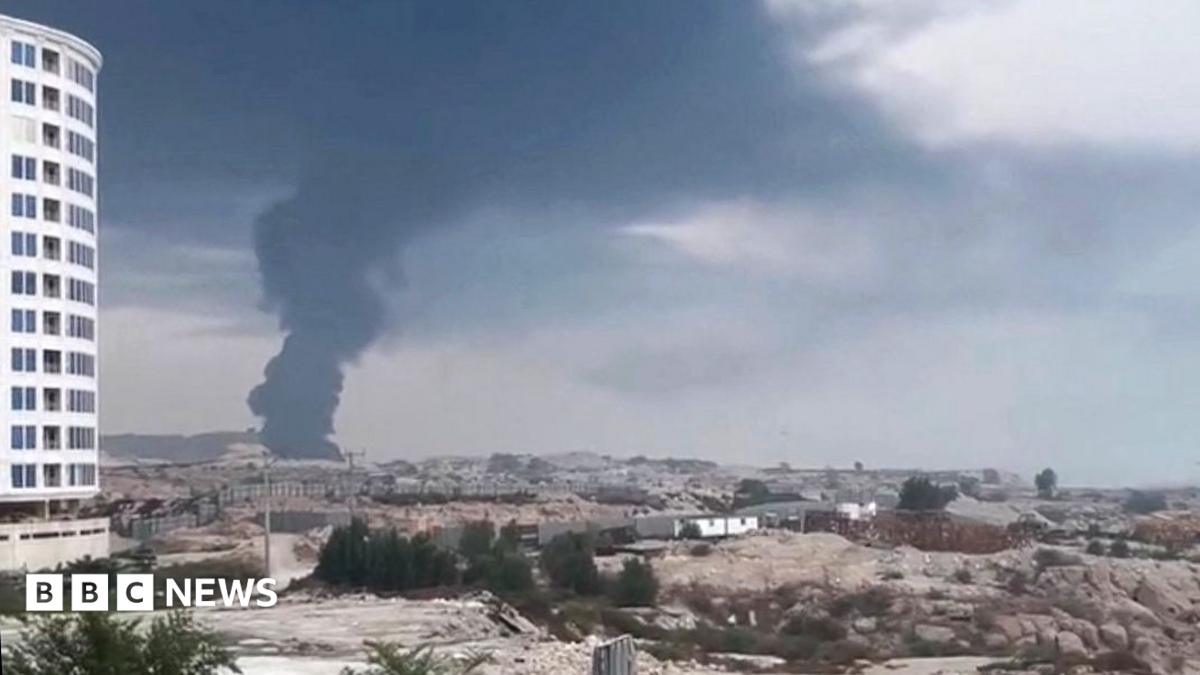
The back-and-forth has now stretched on for months, with periods of relative quiet interrupted by fresh exchanges. Iran fired five missiles at the Jordan base early Wednesday, all intercepted according to US officials, before the latest American response. Iranian state media reported three deaths on Qeshm island, including a child, along with explosions heard on Kish island and in Fars province. The IRGC immediately pledged retaliation against what it called American aggression.
Gulf Arab states have absorbed much of the fallout. Iranian strikes on airports, power plants and shipping routes through the Strait of Hormuz have battered their economies, with Dubai sitting less than fifty miles from the narrow waterway. Saudi Arabia conveyed through its defense minister a clear desire to dial down tensions, according to reports from meetings with Trump. These nations lack both the means and the appetite to join the fight directly, unlike Israel in earlier phases, yet they remain exposed to Iranian reprisals whenever Washington steps up pressure.
The pattern of brief ceasefires followed by renewed strikes has left little room for lasting relief. A four-day pause aimed at reviving diplomacy collapsed when Iran launched its Jordan attack, ending hopes that talks might gain traction. Trump has described the exchanges as a simple turn-taking process, insisting the United States must deliver its response even as Iranian officials reportedly sought to avoid further blows.
Civilian infrastructure has taken hits on multiple sides. Egypt reported a drone strike at one of its ports, while a Chinese company facility in Kuwait suffered an attack that killed a worker. These incidents underscore how the conflict spreads beyond the main belligerents, pulling in neighbors who would prefer stability over continued escalation.
American officials maintain the strikes target military capabilities tied to the Revolutionary Guard, including drone and maritime assets. Yet the economic strain on energy routes and the repeated cycle of retaliation raise questions about whether sustained bombing will produce the desired concessions or simply prolong regional instability. Gulf leaders have made plain that an on-again, off-again war offers them no path to recovery.
You just read America First's take. Want to read what actually happened?
More in Politics
Democrats Flip Senate, Expand House Majority in Midterms
Democrats flipped the Senate and expanded their House majority in a major rebuke to President Trump and Republicans. Key victories included multiple Senate seats and state-level wins that ended long-standing GOP dominance in places like Texas.
GOP Losses Spur Blame, Vance Distancing, 2028 Maneuvers
Republicans are pointing fingers internally after heavy losses, with Vice President JD Vance distancing himself from Trump over the Iran war and positioning for a potential 2028 run. Challengers within the party are already sensing opportunity.
Democrats Take House and Senate Amid Record Midterm Turnout
Democrats achieved decisive gains in the 2026 midterms, flipping seats to take control of both chambers. Coverage highlights historic turnout and implications for the Trump administration.
Democrats Take House and Senate, Constraining Trump
Democrats flipped both the House and Senate in a major rebuke to President Trump and Republicans. The results create divided government and set up battles over spending, oversight, and foreign policy for the remainder of Trump's term.
The Compass
You just read five takes on one story.
What's your take? Find your political shape in a few minutes.
Take the test