
US strikes Iran after missile attempt on troops in Jordan
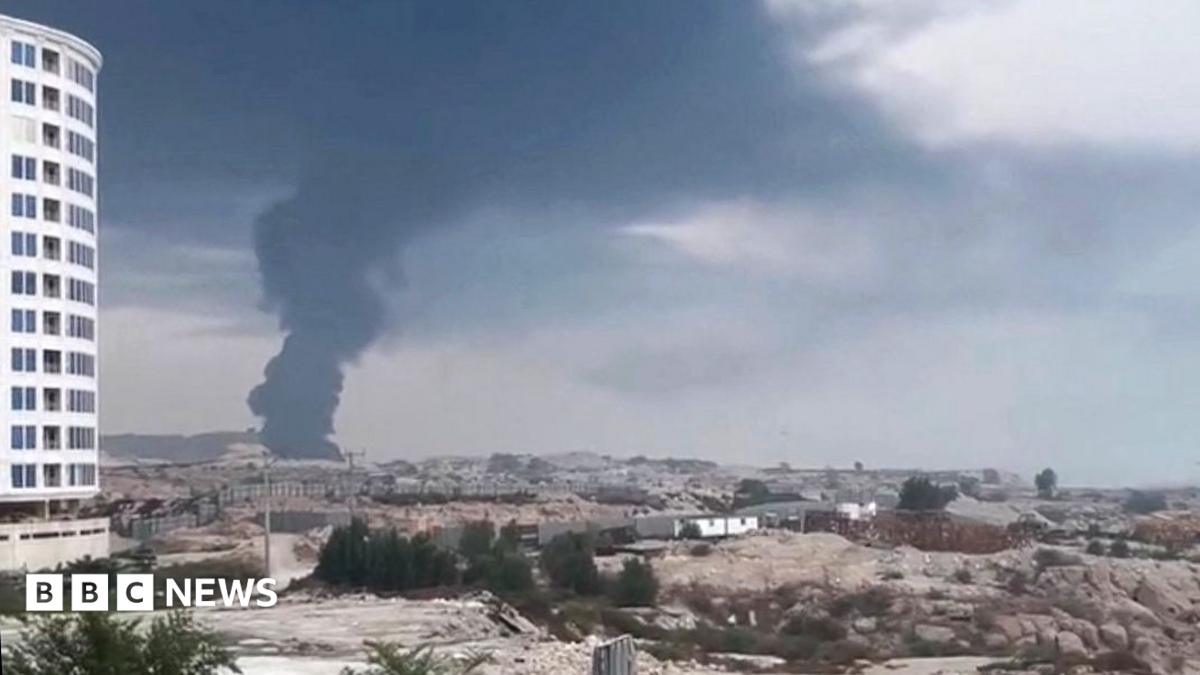
Cover image from bbc.co.uk, which was analyzed for this article
The US conducted a new wave of strikes on Iranian targets in retaliation for an attempted attack on American forces, with reports of damage on Qeshm Island and Iranian pledges of response. Coverage spans escalation risks, oil market effects, and strategic debates across outlets.
PoliticalOS
Thursday, July 30, 2026 — Politics
The strikes represent another step in a continuing cycle of retaliation that began after the April ceasefire collapsed. Civilian casualties claimed by Iranian media remain unverified by other sources, while the risk of expanded conflict affecting oil routes and neighboring states continues to grow without a diplomatic off-ramp.
What outlets missed
Most coverage omitted the scale of prior US strikes on Iranian territory that preceded the latest Iranian missile attempt. Few outlets detailed the internal US debate over whether to expand the campaign into a sustained two-week operation against remaining Iranian missile launchers. Coverage also underplayed the specific economic losses Gulf states have recorded from repeated attacks on ports, power plants, and desalination facilities. The role of Saudi Arabia in both the Iraq strikes and reported diplomatic outreach to Washington received limited attention across the sample.
US Retaliates Against Iran With Heavy Strikes as Diplomacy Falters
The United States Central Command carried out a two-hour wave of strikes on Iranian military sites late Wednesday, targeting Islamic Revolutionary Guard Corps facilities in response to ballistic missile launches aimed at American forces in Jordan. The operation hit command centers, missile and drone infrastructure, coastal defenses and maritime capabilities across southern and western Iran, according to statements from CENTCOM. Iranian state media reported at least three deaths on Qeshm island, including a child, with additional explosions reported near Kish island and in Fars province.
The latest round marks the end of a brief pause in direct exchanges that had lasted several days. That lull followed months of tit-for-tat strikes that began after an earlier ceasefire collapsed in June. Both sides had signaled openness to renewed talks, yet the Iranian attacks on the Muwaffaq Salti Air Base and reported attempts near the Strait of Hormuz quickly reversed the momentum. All five Iranian missiles were intercepted, U.S. officials said, with no American casualties reported.
President Trump described the sequence in familiar terms during remarks at the White House, framing the strikes as the American turn in an ongoing cycle. He indicated Iran had sought to avoid the response yet offered little detail on whether the action was meant to deter further escalation or to degrade specific capabilities over a longer period. Military analysts noted that the targets chosen focused on assets tied to missile and drone operations rather than broader nuclear or leadership sites.
Regional allies have watched the pattern with growing concern over economic fallout. Gulf Arab states, particularly those near the Strait of Hormuz, have absorbed repeated Iranian strikes on civilian infrastructure including airports and power facilities. These attacks have disrupted shipping lanes and energy exports, imposing costs that the six neighboring countries cannot easily absorb even as they lack the capacity or inclination to join offensive operations. Saudi Arabia has conveyed through its defense minister a preference for de-escalation, underscoring the limits of sustained low-intensity conflict for economies dependent on stable energy flows.
The involvement of additional actors has further complicated the picture. Joint U.S.-Saudi strikes against Iranian-backed proxies in Iraq were announced in recent days, responding to attacks on Saudi energy sites. Egypt reported a drone strike on a port facility, the first such incident involving that U.S. ally. These expansions illustrate how the core U.S.-Iran confrontation has drawn in surrounding states through both direct targeting and proxy networks.
Diplomacy remains active according to U.S. officials, though the latest strikes suggest that any revived talks will need to address immediate security concerns on both sides. The challenge lies in establishing credible pauses that can hold against domestic pressures and battlefield developments. For Washington the distance from the theater allows a longer campaign if desired, yet the immediate neighbors of Iran face different incentives that favor quicker stabilization. How the administration balances those regional pressures with its own operational goals will shape whether the current exchanges settle into a durable pattern or continue to widen.
You just read Liberal's take. Want to read what actually happened?
More in Politics

Democrats Flip Senate, Expand House Majority in Midterms
Democrats flipped the Senate and expanded their House majority in a major rebuke to President Trump and Republicans. Key victories included multiple Senate seats and state-level wins that ended long-standing GOP dominance in places like Texas.

GOP Losses Spur Blame, Vance Distancing, 2028 Maneuvers
Republicans are pointing fingers internally after heavy losses, with Vice President JD Vance distancing himself from Trump over the Iran war and positioning for a potential 2028 run. Challengers within the party are already sensing opportunity.

Democrats Take House and Senate Amid Record Midterm Turnout
Democrats achieved decisive gains in the 2026 midterms, flipping seats to take control of both chambers. Coverage highlights historic turnout and implications for the Trump administration.
Democrats Take House and Senate, Constraining Trump
Democrats flipped both the House and Senate in a major rebuke to President Trump and Republicans. The results create divided government and set up battles over spending, oversight, and foreign policy for the remainder of Trump's term.
The Compass
You just read five takes on one story.
What's your take? Find your political shape in a few minutes.
Take the test