
Extended USS Lincoln Deployment Draws Family Complaints and Official Pushback
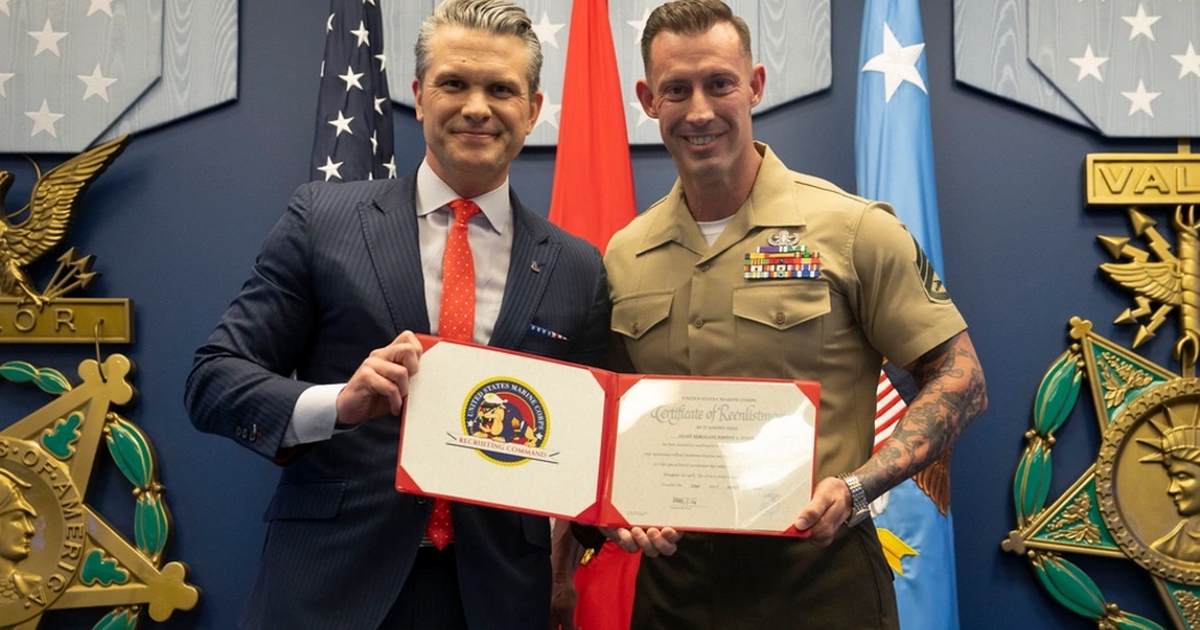
Cover image from redstate.com, which was analyzed for this article
The carrier's extended 250-day deployment amid Iran tensions has sparked family backlash over sailor mental health and conditions, with Trump dismissing concerns while relief ships approach.
PoliticalOS
Sunday, August 16, 2026 — Politics
The Lincoln’s record-length deployment has produced competing public accounts of conditions at sea, yet neither side has released verifiable supply or health data that would resolve the dispute. Readers should treat specific claims of weight loss and suicide attempts as unverified until corroborated by official records.
What outlets missed
Neither outlet supplied verified figures on food deliveries, water quality tests, or fitness-test failure rates that would allow readers to gauge the scale of reported shortages. The presence of a second relief carrier and any adjustments to deployment schedules were mentioned only in passing. Official statements beyond the brief presidential and secretarial dismissals received little elaboration, leaving the operational context of the Iran-related mission largely unexamined.
Military Service Demands Resilience as Complaints Surface Over Ship Conditions
Naval families have expressed concerns about the extended deployment of the USS Abraham Lincoln and USS Tripoli amid the ongoing conflict with Iran. The aircraft carrier has remained at sea for nearly nine months since November, with sailors reporting limited port calls and sustained operational demands. Some relatives described weight loss of 20 to 30 pounds among crew members, attributed to meal quality, along with questions about drinking water and access to mental health resources.
Defense officials and military veterans have countered that such accounts overstate the difficulties. Pentagon spokesmen and Navy leadership have stated that while the mission involves hardship, conditions on board do not match the severity portrayed in certain media reports. Acting Secretary of the Navy Hung Cao and others have affirmed that supplies and support remain adequate for the task at hand.
Combat-wounded Marine veteran Joey Jones addressed the complaints directly in public remarks. Jones, who lost both legs in an Afghanistan IED blast during eight years of service, criticized sailors for airing grievances about food options on national television. He argued that focusing on items such as tuna and noodles reflects a diminished standard of endurance, warning that such attitudes signal broader weakness in the ranks. Jones drew a parallel to historical decline, suggesting that persistent public dissatisfaction could erode institutional strength.
President Trump dismissed family worries outright, stating that concerns about the Lincoln's duration were unfounded and that nine months fell short of excessive strain. Defense Secretary Pete Hegseth similarly rejected characterizations of onboard life as misrepresented. These responses align with a view that military commitments require acceptance of discomfort rather than external validation of hardship.
Anonymous accounts from families of sailors on the Abraham Lincoln cited multiple suicide attempts, including incidents of crew members jumping overboard. Officials have not confirmed the scale of such events but have maintained that mental health protocols exist even under deployment constraints. The emphasis from critics like Jones rests on individual fortitude over collective airing of difficulties through media channels.
The contrast in perspectives underscores differing expectations for those in uniform. Extended operations in contested regions have historically tested personnel, yet the core function remains execution of assigned missions without reliance on public sympathy. Reports of physical decline among some sailors stand against assertions from leadership that basic needs continue to be met despite logistical challenges at sea.
Jones's intervention highlighted a generational shift in military culture, where complaints once handled internally now reach broader audiences. This pattern, he suggested, risks portraying the force as less capable than predecessors who endured comparable or greater privations without widespread public protest. Service members and their families operate within a framework where duty precedes comfort, a principle that has sustained operations through prior conflicts.
The deployment continues as part of efforts to address threats from Iran, with officials prioritizing strategic objectives over adjustments driven by reported personal strains.
You just read Conservative's take. Want to read what actually happened?
More in Politics

Democrats Flip Senate, Expand House Majority in Midterms
Democrats flipped the Senate and expanded their House majority in a major rebuke to President Trump and Republicans. Key victories included multiple Senate seats and state-level wins that ended long-standing GOP dominance in places like Texas.

GOP Losses Spur Blame, Vance Distancing, 2028 Maneuvers
Republicans are pointing fingers internally after heavy losses, with Vice President JD Vance distancing himself from Trump over the Iran war and positioning for a potential 2028 run. Challengers within the party are already sensing opportunity.

Democrats Take House and Senate Amid Record Midterm Turnout
Democrats achieved decisive gains in the 2026 midterms, flipping seats to take control of both chambers. Coverage highlights historic turnout and implications for the Trump administration.
Democrats Take House and Senate, Constraining Trump
Democrats flipped both the House and Senate in a major rebuke to President Trump and Republicans. The results create divided government and set up battles over spending, oversight, and foreign policy for the remainder of Trump's term.
The Compass
You just read five takes on one story.
What's your take? Find your political shape in a few minutes.
Take the test