
Extended USS Lincoln Deployment Draws Family Complaints and Official Pushback
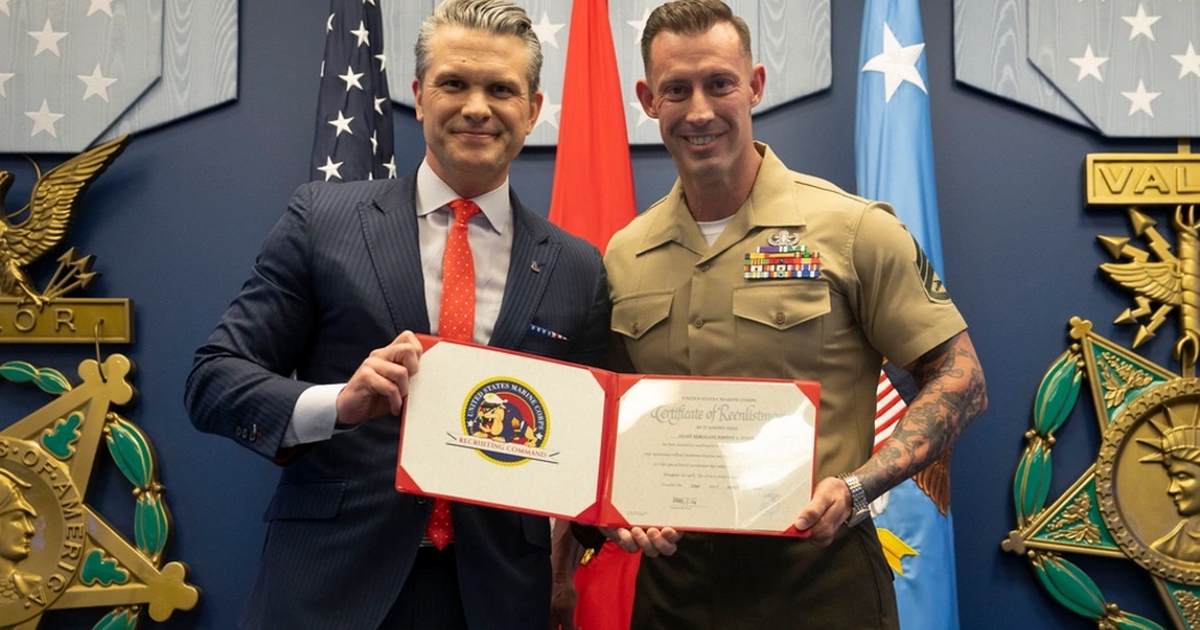
Cover image from redstate.com, which was analyzed for this article
The carrier's extended 250-day deployment amid Iran tensions has sparked family backlash over sailor mental health and conditions, with Trump dismissing concerns while relief ships approach.
PoliticalOS
Sunday, August 16, 2026 — Politics
The Lincoln’s record-length deployment has produced competing public accounts of conditions at sea, yet neither side has released verifiable supply or health data that would resolve the dispute. Readers should treat specific claims of weight loss and suicide attempts as unverified until corroborated by official records.
What outlets missed
Neither outlet supplied verified figures on food deliveries, water quality tests, or fitness-test failure rates that would allow readers to gauge the scale of reported shortages. The presence of a second relief carrier and any adjustments to deployment schedules were mentioned only in passing. Official statements beyond the brief presidential and secretarial dismissals received little elaboration, leaving the operational context of the Iran-related mission largely unexamined.
Naval Families Challenge Administration Claims on Warship Conditions
Families of sailors serving on US warships in the Middle East have expressed strong frustration with recent statements from President Trump and Defense Secretary Pete Hegseth that downplayed reports of difficult conditions at sea. Relatives of crew members on the USS Abraham Lincoln and USS Tripoli described extended deployments lasting up to nine months with limited port calls, resulting in reported shortages of fresh food and mental health resources. Several families, speaking without identifying their relatives to avoid potential repercussions, detailed cases of sailors losing significant weight and facing strained access to clean water during the ongoing operations tied to tensions with Iran.
The USS Abraham Lincoln, carrying more than 5,000 personnel, has remained at sea since November of last year. Family accounts highlighted instances of weight loss reaching 20 to 30 pounds among some sailors, alongside limited counseling options despite documented mental strain that included multiple reported suicide attempts. These descriptions emerged as the administration has maintained that the mission demands reflect standard operational requirements rather than exceptional hardship.
Trump, when questioned about family concerns, stated that sailors were not worried and suggested the current deployment length fell short of what might be needed. Hegseth similarly characterized media portrayals of onboard conditions as inaccurate. Such responses have prompted direct criticism from relatives who argue that their accounts of daily realities have been overlooked in favor of broader assertions about military resilience.
At the same time, public commentary from some veterans has pushed back against the complaints. Fox News host and former Marine Joey Jones, who lost both legs in an Afghanistan incident, criticized sailors for voicing issues over food variety during a CNN segment, arguing that such expressions undermine perceptions of military strength. Pentagon officials, including spokespeople from CENTCOM and the acting secretary of the Navy, have acknowledged the demands of the deployment while rejecting characterizations of systemic failures in supply or support.
The episode underscores ongoing questions about how the US military sustains long-term carrier operations without corresponding adjustments in personnel support systems. Prolonged sea time has historically strained recruitment and retention in the all-volunteer force, particularly when families observe physical and psychological effects that extend beyond routine service expectations. Analysts note that balancing combat readiness with crew welfare involves trade-offs in logistics and deployment planning that administrations of both parties have confronted during extended conflicts.
As operations continue, the divide between official reassurances and family-reported experiences points to deeper institutional pressures on service members and their support networks. The Lincoln and Tripoli cases illustrate how wartime demands can amplify existing challenges in nutrition, hydration, and psychological care at sea, issues that military leaders have addressed through incremental policy changes in past decades.
You just read Liberal's take. Want to read what actually happened?
More in Politics
Democrats Flip Senate, Expand House Majority in Midterms
Democrats flipped the Senate and expanded their House majority in a major rebuke to President Trump and Republicans. Key victories included multiple Senate seats and state-level wins that ended long-standing GOP dominance in places like Texas.
GOP Losses Spur Blame, Vance Distancing, 2028 Maneuvers
Republicans are pointing fingers internally after heavy losses, with Vice President JD Vance distancing himself from Trump over the Iran war and positioning for a potential 2028 run. Challengers within the party are already sensing opportunity.
Democrats Take House and Senate Amid Record Midterm Turnout
Democrats achieved decisive gains in the 2026 midterms, flipping seats to take control of both chambers. Coverage highlights historic turnout and implications for the Trump administration.
Democrats Take House and Senate, Constraining Trump
Democrats flipped both the House and Senate in a major rebuke to President Trump and Republicans. The results create divided government and set up battles over spending, oversight, and foreign policy for the remainder of Trump's term.
The Compass
You just read five takes on one story.
What's your take? Find your political shape in a few minutes.
Take the test