
Venezuela Quake Death Toll Hits 1,430 as 72-Hour Rescue Window Closes
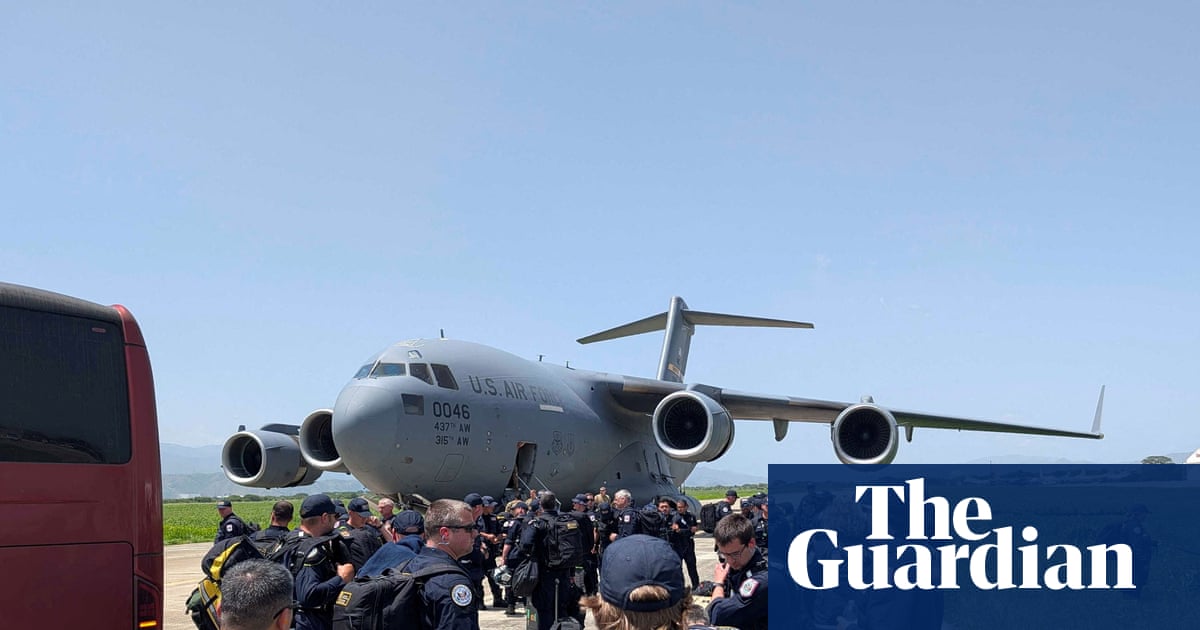
Cover image from theguardian.com, which was analyzed for this article
Back-to-back magnitude 7+ earthquakes caused over 1,400 deaths and widespread damage in Caracas and La Guaira. Rescue efforts face aftershocks, government criticism, and logistical challenges with the search window closing rapidly.
PoliticalOS
Sunday, June 28, 2026 — Politics
The central pressure remains the shrinking interval for live rescues against documented access limits and rising confirmed fatalities. International teams have arrived, yet local coordination gaps continue to shape daily outcomes on the ground.
What outlets missed
The progression of casualty figures from an initial 188 deaths on June 25 to 1,430 by June 28 was not tracked across reports. Specific numbers of deployed international teams beyond the U.S. figure of three DART units and the $150 million pledge received little detail. Damage assessments at the main airport and the operational status of its single runway were omitted from most accounts. The role of aftershocks in extending risks to rescuers was mentioned only in passing.
Twin earthquakes of magnitude 7.2 and 7.5 struck Venezuela on June 25 2026, killing at least 1,430 people and leaving 68,900 reported missing three days later. The quakes hit Caracas and the coastal state of La Guaira hardest, collapsing buildings and triggering fires that compounded damage across residential areas.
Rescue teams now face a narrowing window. Aid agencies state that the first 72 hours offer the best chance of finding survivors alive; that period ended on June 28. Workers pulled an 11-year-old boy named Moises Calzadilla from rubble on June 27 and extracted a newborn roughly 32 hours after the initial shocks. An 18-day-old infant was also recovered after 12 hours of effort, according to local reports.
Access restrictions slowed operations in La Guaira. Volunteers required permits to enter the zone, and some waited in lines while describing the process as chaotic. Australian firefighter Craig Demeillon called conditions “very chaotic, hot and unorganised.” Venezuelan officials reported that 17 flights carrying more than 1,600 rescue personnel had arrived by June 28 and that 14,000 military and police members were deployed. Residents in Caraballeda and Catia La Mar said they saw limited government presence on site and blocked equipment at one location after workers took photographs and departed.
International teams from the United States, Mexico, Brazil, El Salvador and France reached affected zones with dogs and heavy equipment. The United States dispatched three urban search-and-rescue teams and pledged $150 million; a Navy transport ship positioned offshore to receive medical evacuations. The United Nations estimated that up to 6.76 million people could require shelter, water and medical care.
Aftershocks continued, including one of magnitude 4.8 on June 28. Simón Bolívar International Airport sustained damage, though one runway remained operational. Bodies recovered from debris were loaded onto trucks at a hospital parking lot for identification as the search phase shifted toward recovery.
More in Politics

Federal Agents Search Omar Home in Ongoing Immigration Probe
Homeland Security agents searched the Minnesota Democrat's DC residence in a criminal probe, prompting accusations of political intimidation from Omar and Democratic leaders. Coverage spans left-leaning outlets like NPR, BBC, and The Guardian alongside right-leaning criticism from The Federalist and Daily Wire.

Trump Diesel Import Plan Draws Pushback Over Russia Ties
The weekend agreement drew bipartisan congressional pushback and criticism from Ukraine's Zelenskyy, with analysts downplaying US fuel price impacts. Right-leaning outlets like National Review, Dispatch, and Washington Examiner questioned its legality and effectiveness.

Independents Test Voter Appetite for Middle Ground in 2026 Midterms
Nearly 200 independents are running in competitive races as voters weigh ballot measures on housing costs in states like Massachusetts. Left-leaning coverage from NYT, NPR, and Guardian highlights turnout and key races while right outlets focus on GOP strategy.
Trump Rallies in Alaska, Ohio to Bolster GOP Senate Candidates
The president rallied in Wasilla for Sen. Dan Sullivan and faced empty seats at an Ohio event amid midterm concerns. Outlets across the spectrum covered the trips as signals of GOP vulnerability weeks before Election Day.
The Compass
You just read five takes on one story.
What's your take? Find your political shape in a few minutes.
Take the test