
US-Iran Ceasefire Frays Amid Mutual Strike Accusations
Cover image from bbc.co.uk, which was analyzed for this article
US conducted further airstrikes on Iranian facilities after attacks on shipping; Iran responded with strikes on US-linked sites in Bahrain and Kuwait. Trump threatened additional action as both sides accused each other of violating an interim ceasefire. Coverage spans costs, diplomacy, and military developments.
PoliticalOS
Wednesday, May 27, 2026 — Politics
The June 17 memorandum remains in force on paper yet faces immediate tests from disputed shipping incidents and retaliatory strikes whose physical outcomes could not be fully corroborated across sources. Readers should track whether commercial traffic volumes through the strait continue without new tolls or closures, as that metric will indicate whether the 60-day negotiation window holds.
What outlets missed
Several outlets omitted the specific cargo volume on the MT Kiku and the absence of reported US casualties at the Kuwait and Bahrain sites, details that appear only in Centcom statements and a Reuters-sourced US official comment. The precise sequence tying the Saturday strikes directly to the Kiku incident received uneven placement, with some reports leading instead on Iranian launches. Economic cost estimates from the Pielke analysis and polling on public views of the war’s worth were largely absent outside the Los Angeles Times. Hezbollah’s explicit rejection of the Lebanon framework and Israeli insistence on maintaining a security zone were mentioned only in passing by most outlets despite their direct link to the wider US-Iran memorandum.
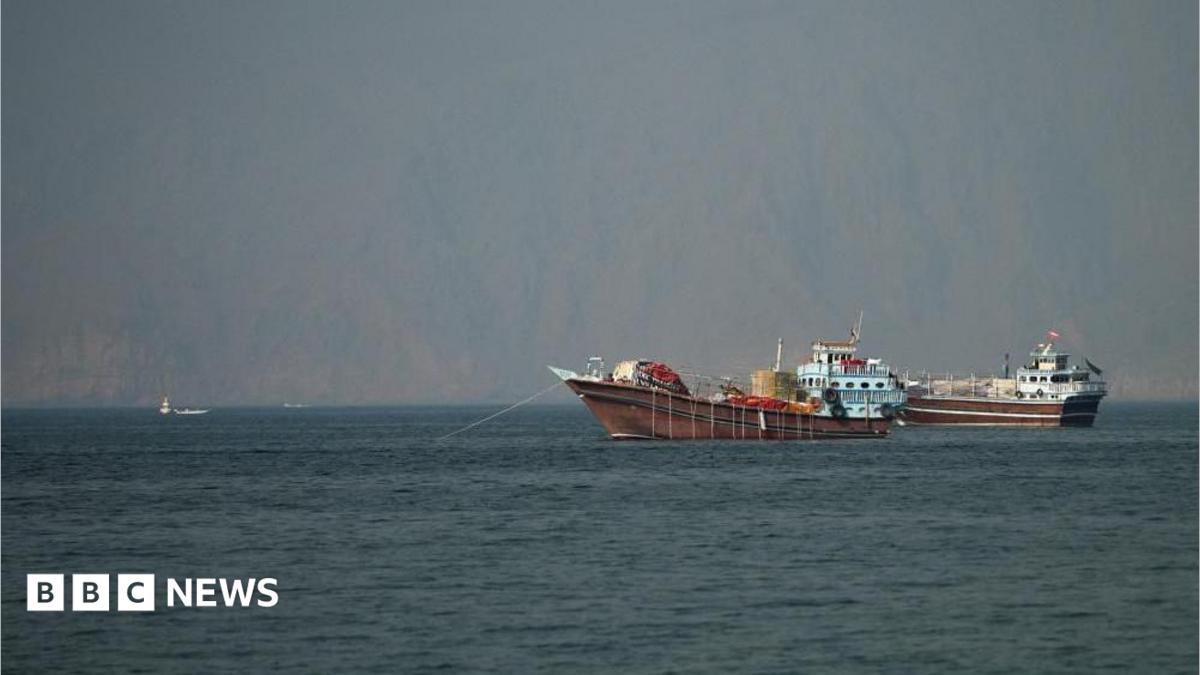
Renewed exchanges of strikes between the United States and Iran have placed a June 17 memorandum of understanding under immediate pressure, with each side accusing the other of violating terms meant to halt fighting that began in late February and closed the Strait of Hormuz to most traffic. The waterway carries roughly 20 percent of global oil shipments, and any sustained interruption continues to affect energy prices and supply chains worldwide.
US Central Command reported that fighter jets struck ten Iranian military targets on Saturday in response to a drone attack on the Panama-flagged tanker MT Kiku, which was carrying more than two million barrels of crude. The command described the targets as surveillance infrastructure, communication systems, air defense sites, drone storage facilities, and minelayer capabilities near the strait. Iran’s Islamic Revolutionary Guard Corps stated it had launched ballistic missiles and drones at eight US-linked facilities at Ali al-Salem base in Kuwait and the Fifth Fleet headquarters in Port Salman, Bahrain, claiming destruction of those sites. A US official told Reuters that no US casualties or major damage to facilities had been reported.
President Donald Trump posted on Truth Social that further Iranian violations could force the United States to “militarily complete the job,” adding that the Islamic Republic of Iran “will no longer exist” in that event. Iran’s Foreign Ministry called the US strikes a “blatant violation” of the memorandum and said they demonstrated that Washington placed no value on its commitments. Both governments had agreed in the memorandum to refrain from initiating military operations or threats of force against each other and to allow safe commercial passage through the strait for 60 days without charge.
Air raid sirens sounded twice in Bahrain on Sunday, according to that country’s interior ministry, while Kuwait’s armed forces said its defenses were confronting hostile missiles and drones. Bahrain, Kuwait, Qatar, the United Arab Emirates, Jordan, and Oman each issued statements condemning the attacks on Kuwaiti and Bahraini territory as violations of sovereignty. Commercial traffic through the strait continued, according to Central Command.
The memorandum was brokered with Pakistan’s involvement after earlier US and Israeli operations that began February 28. Iran had previously closed the strait, contributing to a spike in oil prices. US strikes on Friday had already targeted sites near Sirik in response to an earlier drone attack on the Singapore-flagged vessel Ever Lovely. Iranian media reported explosions in the Sirik and Qeshm areas.
Separate but related developments include an Israeli-Lebanese framework agreement reached Friday that aims to end fighting that began in March when Hezbollah launched rockets at Israel. Israeli Prime Minister Benjamin Netanyahu described the deal as historic, while Hezbollah leader Naim Qassem rejected it as humiliating. Israel has said its forces will remain in a southern security zone until Hezbollah is disarmed.
Economic effects of the earlier fighting remain visible. Average US gas prices stood at $3.90 per gallon on Friday, with California at $5.48, according to AAA. Patrick Harker of the Wharton School stated that destroyed infrastructure and cautious markets would prevent an immediate return to prewar price levels. An analysis by Roger Pielke of the American Enterprise Institute estimated that the conflict had already cost the average American household between $775 and $1,300 in fuel and taxpayer expenses. Oil prices had fallen back to prewar levels by Friday.
Iranian Revolutionary Guards said they would control traffic through a coastal corridor in the strait and deal more firmly with vessels that violate the rules. Some messages sent to Independent Persian from individuals inside Iran described the memorandum as a betrayal because core Iranian power structures remained intact and economic hardship continued; those accounts could not be independently verified by other outlets.
More in Politics
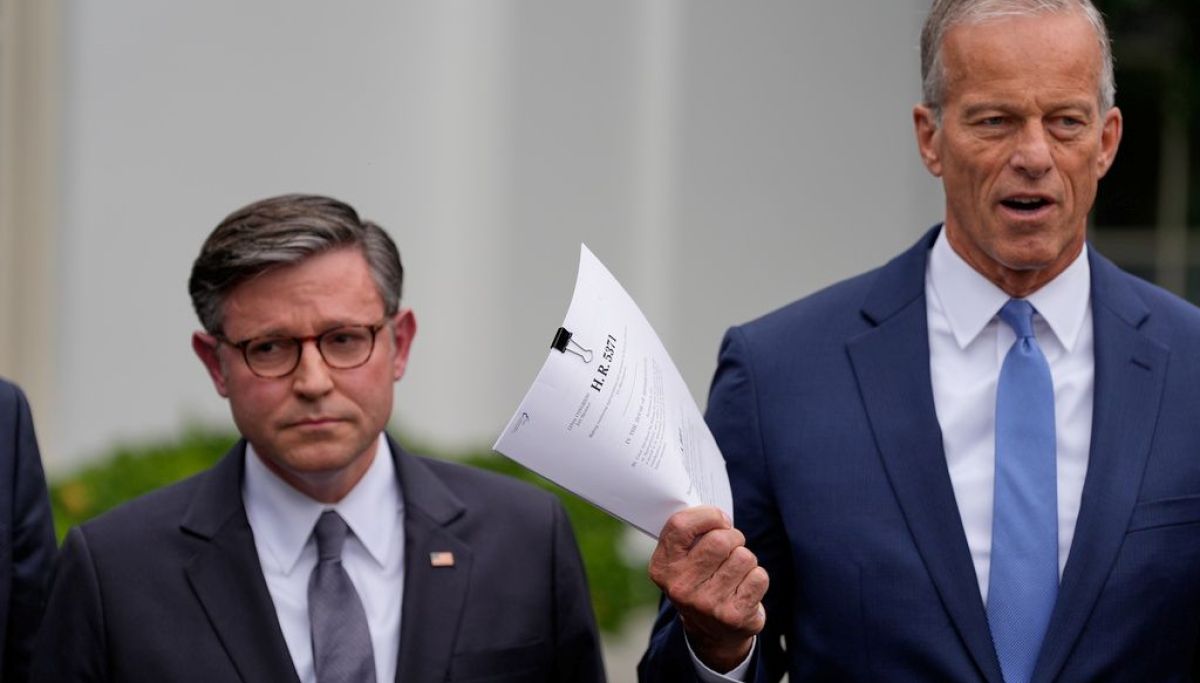
Trump at 32% Approval as Gas Prices Test GOP Midterm Hopes
NYT/Siena polling showed Trump's approval at historic lows around 32 percent with Democrats leading by double digits in key districts. Early voting has surged in battleground states.

Record Early Voting Hits Battlegrounds, Shifting Partisan Shares
AP analysis found hundreds of thousands more early ballots than in 2022 in states including Texas, Ohio, Kansas, Maine, and North Carolina, shifting partisan dynamics.
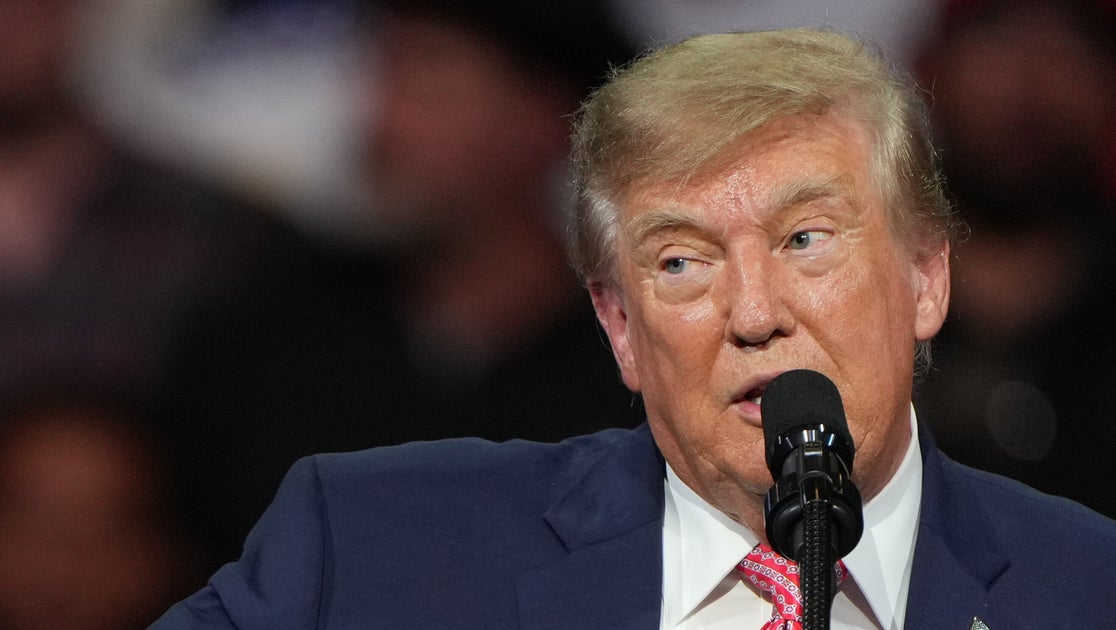
Trump Backs Marshall in Kansas Senate Race Tightened by Farm Costs
President Trump rallied in deep-red Kansas for GOP Sen. Roger Marshall in a competitive race, announcing an $8 billion farm fuel relief program amid high diesel prices. Democrats see an opening to end 94 years of GOP dominance in the state.

Trump Pauses Russia Sanctions Amid Ukraine Tensions and Missile Strikes
Trump waived sanctions on Russia and floated trilateral talks with Putin and Xi as part of ending the Ukraine war, while tensions rose with Zelenskyy over Starlink and arms. Bipartisan senators engaged Zelenskyy amid the shifts.
The Compass
You just read five takes on one story.
What's your take? Find your political shape in a few minutes.
Take the test