
Democrats brace for clashes over voter rules ahead of 2026 midterms
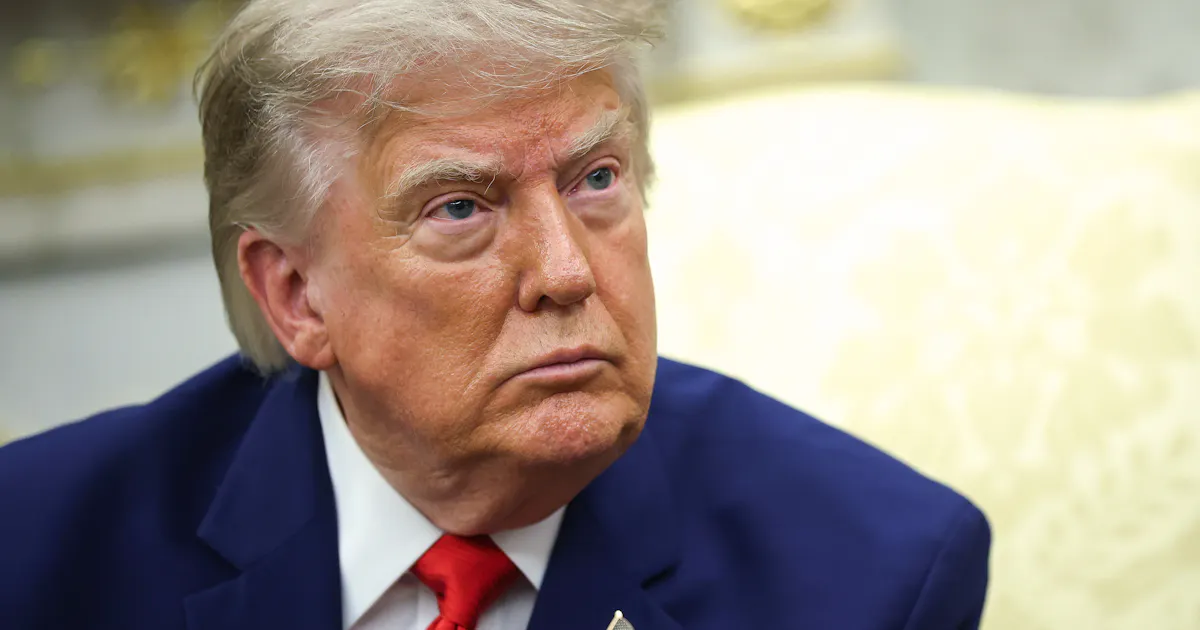
Cover image from newrepublic.com, which was analyzed for this article
With all House seats and 35 Senate seats up, Democrats brace for disputes with Trump administration over election administration and voter rules. Generic ballot shows Democrats leading by 5-6 points.
PoliticalOS
Friday, July 24, 2026 — Politics
The core conflict centers on whether federal incentives and legal pressure can shift state voting rules before the midterms or whether Democratic and internal GOP resistance will keep changes limited to existing statutes. Polling shows a measurable Democratic advantage, but the durability of that lead and the outcome of pending Senate and court disputes remain open.
What outlets missed
The outlets omitted the specific statutory basis cited by the administration for requesting unredacted voter rolls from 30 states and the fact that at least 12 states complied voluntarily. They also left out state-level audits that have identified small numbers of ineligible registrations in recent cycles, which supporters of the SAVE Act cite as justification. Internal Republican polling concerns about the bill suppressing GOP turnout in rural areas received no coverage. Court outcomes were presented only as uniform rebukes, without noting partial compliance or the administration’s cited authorities under existing election law.
Voters face heightened uncertainty over how ballots will be cast and counted in the 2026 midterms, as the Trump administration presses for stricter federal election requirements while Democrats and some Republican senators prepare legal and legislative resistance. All 435 House seats and 35 Senate seats are at stake, with recent surveys showing Democrats ahead on the generic congressional ballot by margins of five to seven points.
The House approved a budget resolution that includes $10 billion in grants to states adopting elements of the SAVE Act, such as documentary proof of citizenship for voter registration and limits on mail voting. The measure aims to route changes through state legislatures rather than direct federal mandate. Senate Majority Leader John Thune has stated that the votes do not exist for passage even under reconciliation procedures, and the Senate parliamentarian is expected to rule many provisions out of order because they alter voting mechanics rather than fiscal policy.
Trump has publicly urged Thune to advance the provisions before the August recess, citing concerns over noncitizen voting and past election integrity. Press Secretary Karoline Leavitt said the president’s patience is limited. Democratic governors and voting rights groups counter that the requirements would disproportionately affect rural voters, married women who changed names, and those without passports, while existing federal law already bars noncitizens from voting.
Polls underscore the political stakes. A Fox News survey found Democrats leading Republicans 53-46 on the generic House ballot, the widest margin for either party in that poll’s 20-year history. An Emerson poll showed a larger 53-42 Democratic edge, and a Pew survey recorded a six-point lead. Democrats also led on the economy by nine points in the Fox poll.
Internal Republican divisions have surfaced. Senators Lisa Murkowski, Thom Tillis, and others have expressed reservations about the SAVE Act’s timing and scope. Some GOP strategists note that proof-of-citizenship rules and mail-voting restrictions could reduce turnout among their own voters in rural and Western states. Democrats and aligned legal groups are preparing court challenges and monitoring for any federal attempts to seize voting data or deploy additional oversight.
The central unresolved question is whether the administration can compel changes before November 2026 or whether disputes will shift to post-election certification fights. No independent verification exists for claims that the SAVE Act provisions would materially alter the midterm outcome in either direction.
More in Politics

Federal Agents Search Omar Home in Ongoing Immigration Probe
Homeland Security agents searched the Minnesota Democrat's DC residence in a criminal probe, prompting accusations of political intimidation from Omar and Democratic leaders. Coverage spans left-leaning outlets like NPR, BBC, and The Guardian alongside right-leaning criticism from The Federalist and Daily Wire.

Trump Diesel Import Plan Draws Pushback Over Russia Ties
The weekend agreement drew bipartisan congressional pushback and criticism from Ukraine's Zelenskyy, with analysts downplaying US fuel price impacts. Right-leaning outlets like National Review, Dispatch, and Washington Examiner questioned its legality and effectiveness.

Independents Test Voter Appetite for Middle Ground in 2026 Midterms
Nearly 200 independents are running in competitive races as voters weigh ballot measures on housing costs in states like Massachusetts. Left-leaning coverage from NYT, NPR, and Guardian highlights turnout and key races while right outlets focus on GOP strategy.
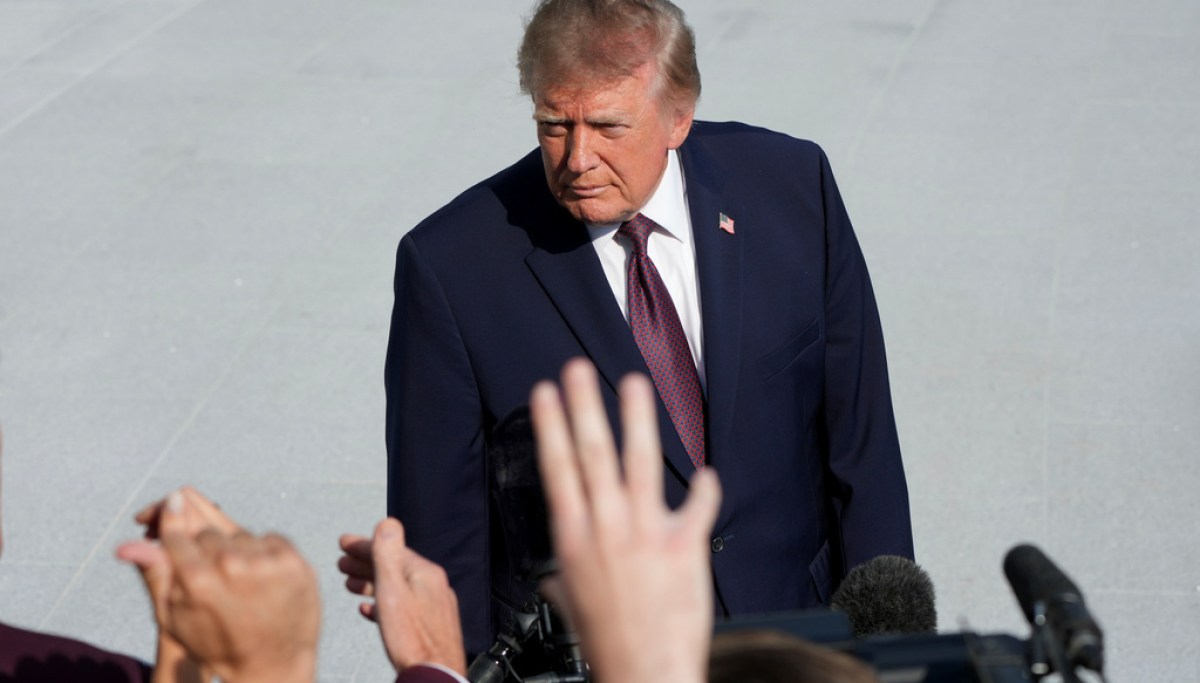
Trump Rallies in Alaska, Ohio to Bolster GOP Senate Candidates
The president rallied in Wasilla for Sen. Dan Sullivan and faced empty seats at an Ohio event amid midterm concerns. Outlets across the spectrum covered the trips as signals of GOP vulnerability weeks before Election Day.
The Compass
You just read five takes on one story.
What's your take? Find your political shape in a few minutes.
Take the test