
Trump Ties Signed Saudi Nuclear Deal to Israel Ties
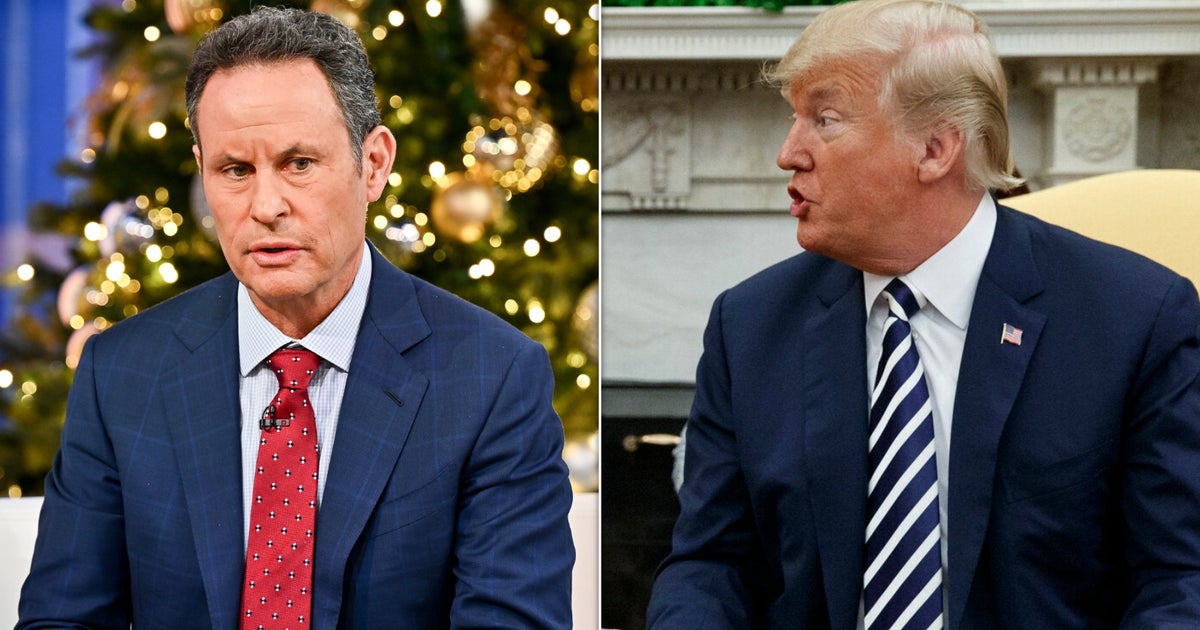
Cover image from huffpost.com, which was analyzed for this article
Less than 24 hours after signing, Trump stated the US-Saudi nuclear deal now requires Saudi normalization with Israel via Abraham Accords. Critics across outlets called the move chaotic and complicating.
PoliticalOS
Friday, July 24, 2026 — Politics
The nuclear agreement was signed before Trump publicly attached the Israel normalization requirement, leaving its legal status and Saudi willingness to comply unresolved. Riyadh's longstanding Palestinian-state precondition remains unchanged and unaddressed in the new demand.
What outlets missed
The precise timeline—signing on July 23 followed by the Israel condition on July 24—appears in only some accounts and is essential for judging whether the demand alters an already finalized text. No outlet supplied the full list of signatories or the exact duration and commercial provisions of the 123 agreement. Saudi Arabia's explicit linkage of normalization to a Palestinian state pathway, documented across multiple prior statements, received uneven emphasis despite its direct relevance to the new U.S. requirement.
The United States signed a civil nuclear cooperation agreement with Saudi Arabia on July 23, 2026. The next day President Trump stated that approval now depends on Riyadh joining the Abraham Accords and normalizing relations with Israel. The added requirement creates immediate uncertainty for a pact whose full text remains unpublished and whose original terms contained no such clause.
Saudi Arabia has repeatedly conditioned any recognition of Israel on a credible path to Palestinian statehood, a stance unchanged since the October 2023 Hamas attack and Israel's subsequent Gaza operations. No Saudi official has responded publicly to the new demand. Analysts note that Crown Prince Mohammed bin Salman would face domestic political costs if he accepted the condition under current circumstances.
The agreement permits Saudi Arabia to pursue non-military nuclear facilities similar to those already held by the United Arab Emirates and Iran, yet it lacks the stricter enrichment and reprocessing limits found in some earlier U.S. nuclear pacts. Trump wrote on Truth Social that the deal "will be approved, but is totally subject to Saudi Arabia joining" the accords. The White House has not clarified whether the Israel requirement replaces or supplements the signed document.
Israeli officials and some U.S. commentators had criticized the original agreement for surrendering leverage without broader regional concessions. Rosemary Kelanic of Defense Priorities observed that Riyadh likely prefers the remarks receive minimal attention. Aaron David Miller of the Carnegie Endowment described the statement as possibly a negotiating tactic rather than a fixed condition. Both analysts said the final outcome remains unclear given the president's fluid approach to diplomacy.
The sequence leaves the pact's status unresolved. Saudi Arabia has not indicated willingness to alter its Palestinian-state precondition, and the absence of released agreement language prevents independent assessment of whether the Israel requirement can be met without reopening the entire deal.
More in Politics

Federal Agents Search Omar Home in Ongoing Immigration Probe
Homeland Security agents searched the Minnesota Democrat's DC residence in a criminal probe, prompting accusations of political intimidation from Omar and Democratic leaders. Coverage spans left-leaning outlets like NPR, BBC, and The Guardian alongside right-leaning criticism from The Federalist and Daily Wire.

Trump Diesel Import Plan Draws Pushback Over Russia Ties
The weekend agreement drew bipartisan congressional pushback and criticism from Ukraine's Zelenskyy, with analysts downplaying US fuel price impacts. Right-leaning outlets like National Review, Dispatch, and Washington Examiner questioned its legality and effectiveness.

Independents Test Voter Appetite for Middle Ground in 2026 Midterms
Nearly 200 independents are running in competitive races as voters weigh ballot measures on housing costs in states like Massachusetts. Left-leaning coverage from NYT, NPR, and Guardian highlights turnout and key races while right outlets focus on GOP strategy.
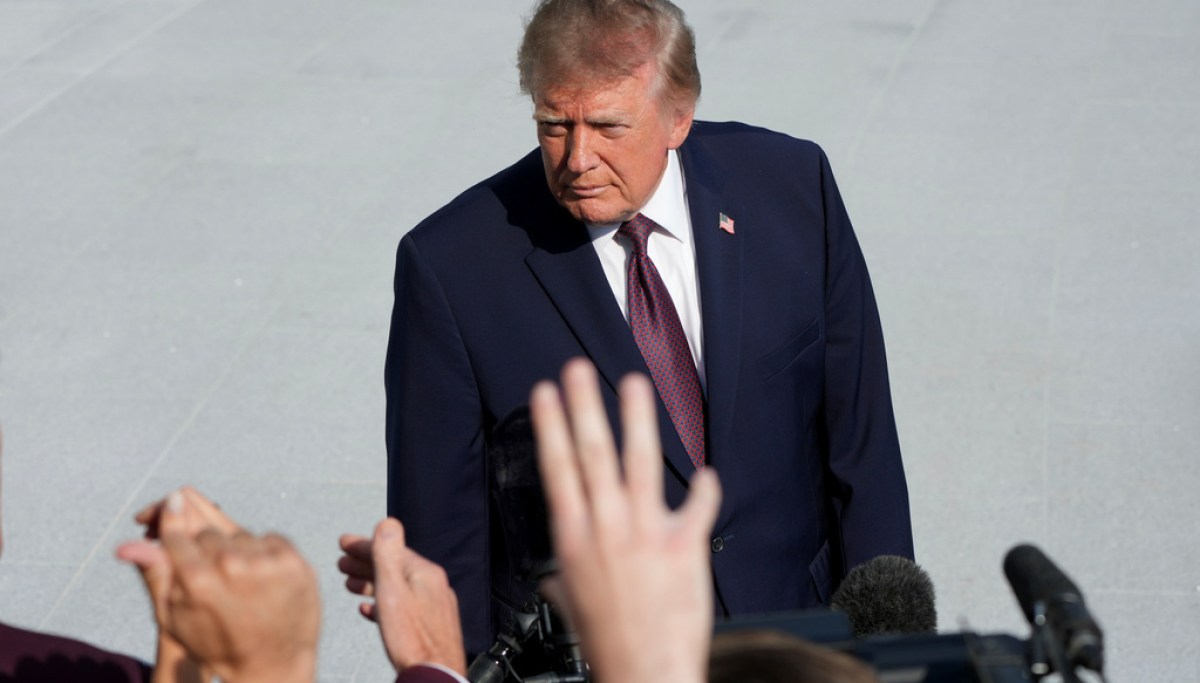
Trump Rallies in Alaska, Ohio to Bolster GOP Senate Candidates
The president rallied in Wasilla for Sen. Dan Sullivan and faced empty seats at an Ohio event amid midterm concerns. Outlets across the spectrum covered the trips as signals of GOP vulnerability weeks before Election Day.
The Compass
You just read five takes on one story.
What's your take? Find your political shape in a few minutes.
Take the test