
Senate Confirms Warsh Fed Chair 54-45 Amid Rising Inflation
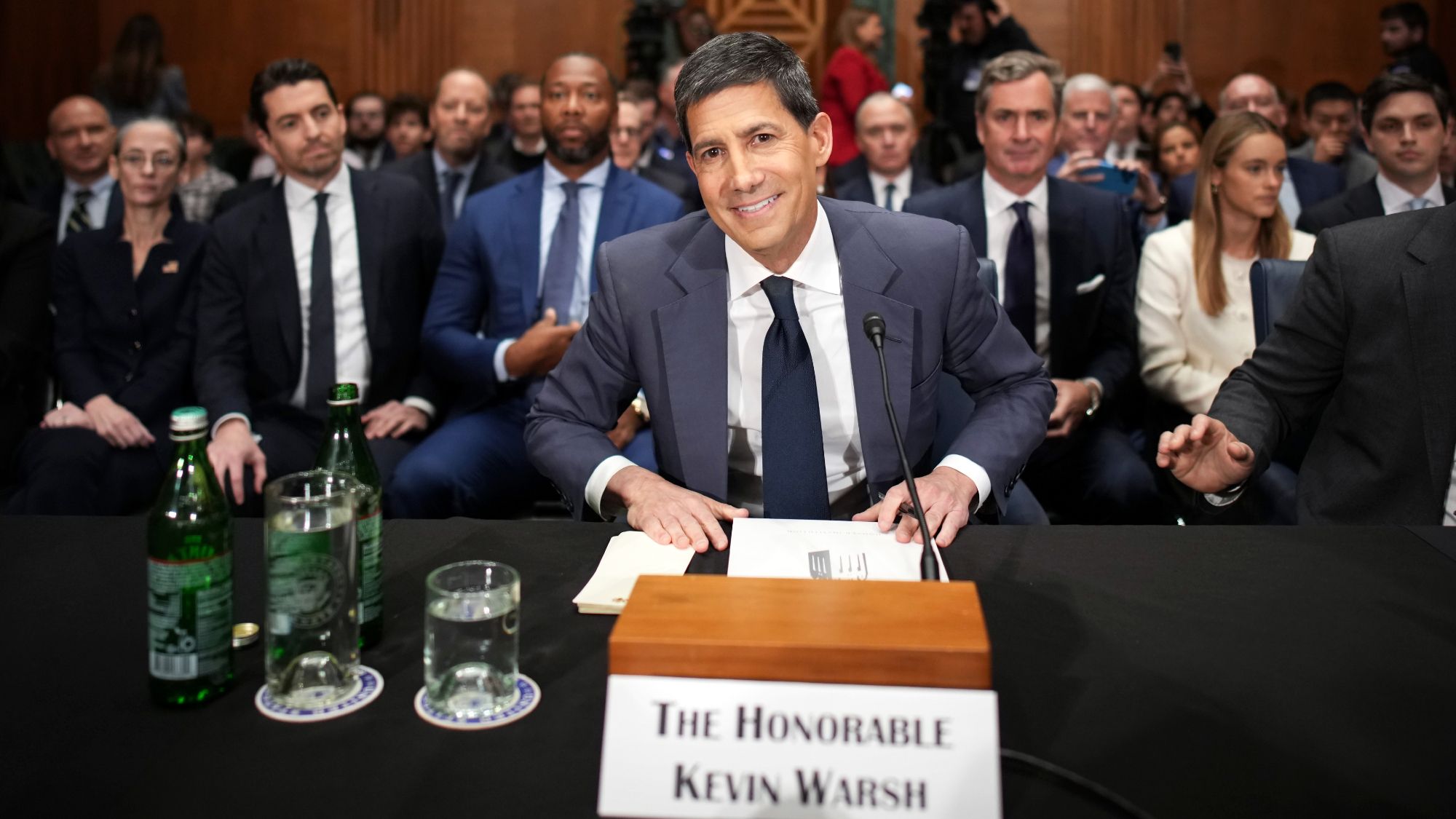
Cover image from theweek.com, which was analyzed for this article
The Senate confirmed Kevin Warsh as the next Fed Chair amid debates on inflation control and Trump economic policies. He replaces Jerome Powell. Markets react to potential policy shifts.
PoliticalOS
Thursday, May 14, 2026 — Business
Warsh takes over at a moment when fresh inflation data and a narrow confirmation vote together constrain the room for immediate policy change. The central question is whether the new chair can maintain the Fed's operational independence while satisfying administration expectations on rates.
What outlets missed
Most coverage omitted that the 54-45 margin is the narrowest since 1977 and failed to name the single Democratic supporter, Senator John Fetterman. The producer-price increase was driven primarily by energy and services components, with core measures rising more modestly, a distinction that affects how persistent the inflation signal appears. No other outlet corroborated the reported resignation of Governor Stephen Miran or the existence of any resignation letter praising Warsh.
Resurgent inflation and questions over central bank independence now confront the Federal Reserve after the Senate confirmed Kevin Warsh as its next chair. The 54-45 vote on Wednesday left only one Democrat in support and marked the narrowest margin for any Fed chair since 1977. Warsh replaces Jerome Powell, whose term ends this week, and will begin his four-year term on Friday.
The confirmation occurred the same day the Labor Department reported producer prices rose 1.4 percent in April and 6 percent over the past year, the largest annual increase in at least three years. Economists at High Frequency Economics noted the figures exceeded expectations and will likely keep pressure on the central bank to proceed cautiously with any rate reductions. Warsh has previously favored a narrower Fed mandate focused on price stability and has questioned expansive communications and balance-sheet policies.
Powell is expected to remain on the Board of Governors after stepping down as chair. One outlet reported that Governor Stephen Miran resigned to clear the way for Warsh, citing an unattributed letter praising future changes in communications and regulatory policy; that resignation has not been confirmed by the Federal Reserve or other major outlets. The single Democratic vote came from Pennsylvania Senator John Fetterman. Markets have registered modest moves in anticipation of possible shifts in rate timing and regulatory tone once Warsh assumes the role.
More in Business & Economy

Major Banks Deliver Mixed Q3 Results on Trading Beats
JPMorgan, Goldman Sachs, Citigroup, and Wells Fargo reported Q3 figures, with revenue beats in trading but some estimate misses. CNBC provided live updates on the results and market reactions.

Oil Falls on Russian Diesel Outlook Despite Geopolitical Risks
Dow futures rose while Nasdaq faced pressure from tech weakness and elevated oil after geopolitical spikes. CNBC tracked premarket moves tied to earnings and Fed speeches.

Hall and Woodford Win Economics Nobel for Stabilization Models
American economists Robert E. Hall and Michael Woodford won the Nobel memorial prize for their research on managing economies through booms and busts, informing central bank policies on inflation and unemployment.

Skydance Closes Paramount-Warner Bros. Discovery Deal
The long-delayed media mega-merger cleared hurdles and began operations under Skydance, consolidating Hollywood power. Center and center-left outlets track the regulatory and business milestones.
The Compass
You just read five takes on one story.
What's your take? Find your political shape in a few minutes.
Take the test