
Wildfires Trigger Evacuations, One Death in Western Canada and US
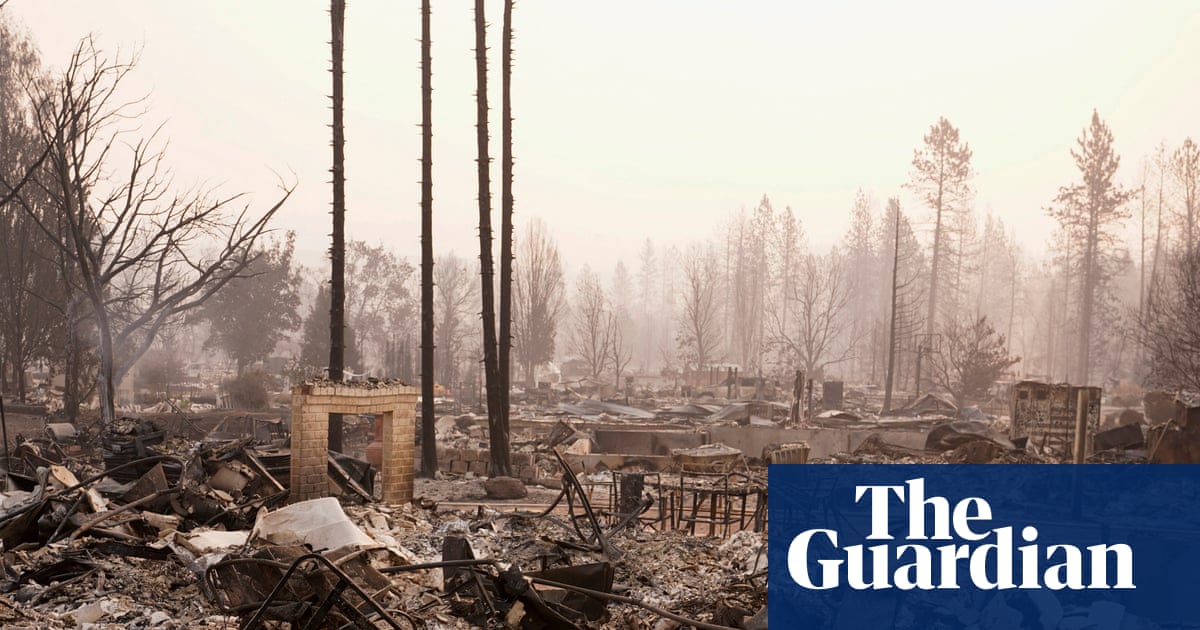
Cover image from theguardian.com, which was analyzed for this article
Historic wildfires prompt mass evacuations and emergency declarations, with one death reported in British Columbia.
PoliticalOS
Monday, August 10, 2026 — Politics
Immediate evacuation orders affected more than 20,000 people in British Columbia and additional communities in Washington, with one reported fatality and two firefighter deaths in Utah. Resources remain stretched under the highest national preparedness level, and dry conditions are forecast to persist.
What outlets missed
The death of the 80-year-old woman during the Bald Range evacuation was reported only by UPI and could not be independently verified by the other two outlets. The helicopter crash that killed two pilots in Utah appeared in the Independent account but received no mention in the Guardian or UPI main stories. None of the three articles supplied historical acreage totals from the National Interagency Fire Center that would place 2026 within or outside recent multi-year ranges.
Wildfires Prompt Large-Scale Evacuations in British Columbia and the Pacific Northwest
Tens of thousands of residents have been forced from their homes in southern British Columbia and parts of Washington state as multiple wildfires burn out of control across the Pacific Northwest. The Bald Range fire south of Kelowna has consumed homes and prompted a provincial state of emergency, while fires east of Spokane have destroyed hundreds of structures in what officials describe as one of the most destructive seasons on record.
In British Columbia, more than 20,000 people left communities along Okanagan Lake over the weekend. The Bald Range fire, reported Friday evening, spread rapidly through dry timber and forced additional evacuations of about 8,000 people near Peachland. An 80-year-old woman died while attempting to leave her home in Meadow Valley, according to the Royal Canadian Mounted Police, which said the death appeared tied to the evacuation. British Columbia Premier David Eby called the loss deeply saddening and expressed condolences to her family. Federal emergency management minister Eleanor Olszewski approved a request for assistance to help provide shelter.
In Washington, firefighters have been contending with three major fires that together have burned at least 846 structures on the eastern side of the state. Residents north of Spokane were under evacuation advisories Sunday, though levels were later reduced in some rural towns south of the city. Oregon has already surpassed its previous record for burned acreage this year, and Washington is experiencing its most destructive season to date. Across both states, more than 2.9 million acres have burned.
Nationally, the U.S. National Interagency Fire Center reports that more than 6.3 million acres have burned since January, with firefighters responding to more than 45,800 ignitions. On a single recent day, 95 large fires were active. Resources are stretched thin, and experts note that the combination of prolonged heat, low fuel moisture, and an extended fire season has created conditions that allow fires to grow faster and burn longer than in previous decades.
The pattern aligns with broader trends tied to rising temperatures and drier landscapes. Longer summers and warmer winters reduce snowpack and extend the period when vegetation is combustible, increasing the likelihood that individual fires will merge or resist containment. In British Columbia, 46 of more than 100 active fires remain out of control, with nearly four dozen evacuation orders still in place.
Federal and provincial governments have mobilized additional support for shelter and incident management, yet the scale of displacement highlights gaps in long-term planning. Communities in high-risk zones face repeated disruptions, and the cost of suppression, temporary housing, and infrastructure repair continues to climb. Data from recent seasons show that early-season fires are becoming more common and that once contained, some areas remain vulnerable to re-burning within the same year.
Officials in both countries continue to monitor wind patterns and fuel conditions as the peak of the season approaches. The immediate priority remains protecting lives and containing spread, but the recurring nature of these events points to the need for sustained investment in mitigation, land-use decisions, and cross-border coordination.
You just read Liberal's take. Want to read what actually happened?
More in Politics

Democrats Flip Senate, Expand House Majority in Midterms
Democrats flipped the Senate and expanded their House majority in a major rebuke to President Trump and Republicans. Key victories included multiple Senate seats and state-level wins that ended long-standing GOP dominance in places like Texas.

GOP Losses Spur Blame, Vance Distancing, 2028 Maneuvers
Republicans are pointing fingers internally after heavy losses, with Vice President JD Vance distancing himself from Trump over the Iran war and positioning for a potential 2028 run. Challengers within the party are already sensing opportunity.

Democrats Take House and Senate Amid Record Midterm Turnout
Democrats achieved decisive gains in the 2026 midterms, flipping seats to take control of both chambers. Coverage highlights historic turnout and implications for the Trump administration.
Democrats Take House and Senate, Constraining Trump
Democrats flipped both the House and Senate in a major rebuke to President Trump and Republicans. The results create divided government and set up battles over spending, oversight, and foreign policy for the remainder of Trump's term.
The Compass
You just read five takes on one story.
What's your take? Find your political shape in a few minutes.
Take the test