
Wildfires Trigger Evacuations, One Death in Western Canada and US
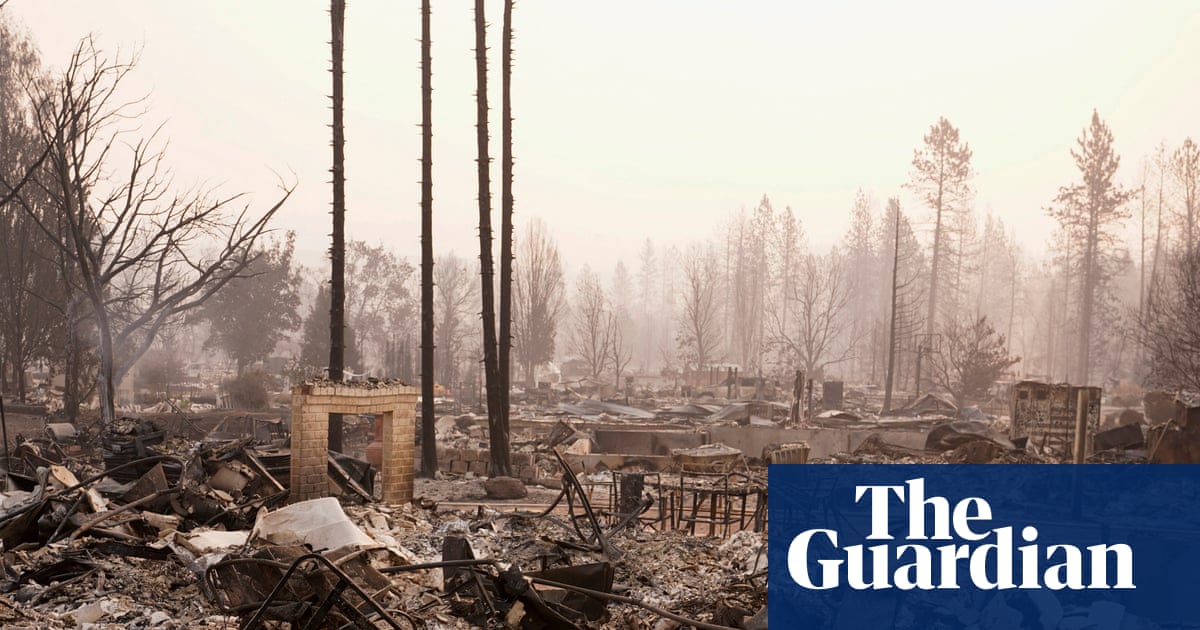
Cover image from theguardian.com, which was analyzed for this article
Historic wildfires prompt mass evacuations and emergency declarations, with one death reported in British Columbia.
PoliticalOS
Monday, August 10, 2026 — Politics
Immediate evacuation orders affected more than 20,000 people in British Columbia and additional communities in Washington, with one reported fatality and two firefighter deaths in Utah. Resources remain stretched under the highest national preparedness level, and dry conditions are forecast to persist.
What outlets missed
The death of the 80-year-old woman during the Bald Range evacuation was reported only by UPI and could not be independently verified by the other two outlets. The helicopter crash that killed two pilots in Utah appeared in the Independent account but received no mention in the Guardian or UPI main stories. None of the three articles supplied historical acreage totals from the National Interagency Fire Center that would place 2026 within or outside recent multi-year ranges.
Thousands Flee Deadly Wildfires Sweeping Western North America
A woman died while trying to escape her home as fast-moving wildfires tore through southern British Columbia this weekend, forcing more than 20,000 people from their communities and prompting the province to declare a state of emergency. The 80-year-old victim collapsed during an evacuation from Meadow Valley on Friday night as the Bald Range fire advanced rapidly, according to the Royal Canadian Mounted Police. Officials said the death appeared directly tied to the blaze, which has burned out of control across more than 13,000 hectares south of Kelowna.
Residents described chaotic nighttime flights through thick smoke. Anette Boulet and her family left Summerland around 4:30 a.m. Saturday with visibility near zero and flames visible along the ridge. "You couldn’t see barely. It was just dark, and the ridge of fire just coming towards you," she said after reaching a shelter in Penticton. The same fire triggered evacuations for about 8,000 people in nearby Peachland. Canadian emergency management minister Eleanor Olszewski approved federal aid Sunday to help house those displaced.
Across the border, the crisis has already destroyed at least 846 structures in Washington state alone, with firefighters confronting extreme conditions on the eastern side of the state near Spokane. Towns including Malden and Rosalia saw evacuation levels adjusted Sunday, though residents north of the city remained under active orders to leave. Washington and Oregon together have seen more than 2.9 million acres burn this year, with Oregon surpassing any previous annual total on record. Washington is experiencing its most destructive season to date.
The broader national picture underscores the scale. More than 6.3 million acres have burned across the United States since January, with over 45,800 fires ignited. On Friday alone, crews battled 95 large blazes. Experts note that prolonged heat, extended dry seasons, and warmer winters have lengthened the window for destructive fires, a pattern tied to rising global temperatures. In British Columbia more than 100 fires are active, nearly half labeled out of control, with dozens of evacuation orders still in place.
Firefighting resources across both countries are stretched thin, with months of peak risk remaining. Premier David Eby expressed sorrow over the fatality and the trauma inflicted on affected communities. The human displacement continues, leaving thousands in temporary shelters uncertain about what they will find when they return.
You just read Progressive's take. Want to read what actually happened?
More in Politics
Democrats Flip Senate, Expand House Majority in Midterms
Democrats flipped the Senate and expanded their House majority in a major rebuke to President Trump and Republicans. Key victories included multiple Senate seats and state-level wins that ended long-standing GOP dominance in places like Texas.
GOP Losses Spur Blame, Vance Distancing, 2028 Maneuvers
Republicans are pointing fingers internally after heavy losses, with Vice President JD Vance distancing himself from Trump over the Iran war and positioning for a potential 2028 run. Challengers within the party are already sensing opportunity.
Democrats Take House and Senate Amid Record Midterm Turnout
Democrats achieved decisive gains in the 2026 midterms, flipping seats to take control of both chambers. Coverage highlights historic turnout and implications for the Trump administration.
Democrats Take House and Senate, Constraining Trump
Democrats flipped both the House and Senate in a major rebuke to President Trump and Republicans. The results create divided government and set up battles over spending, oversight, and foreign policy for the remainder of Trump's term.
The Compass
You just read five takes on one story.
What's your take? Find your political shape in a few minutes.
Take the test