
Crowley edges Hong in tight Wisconsin Democratic primary
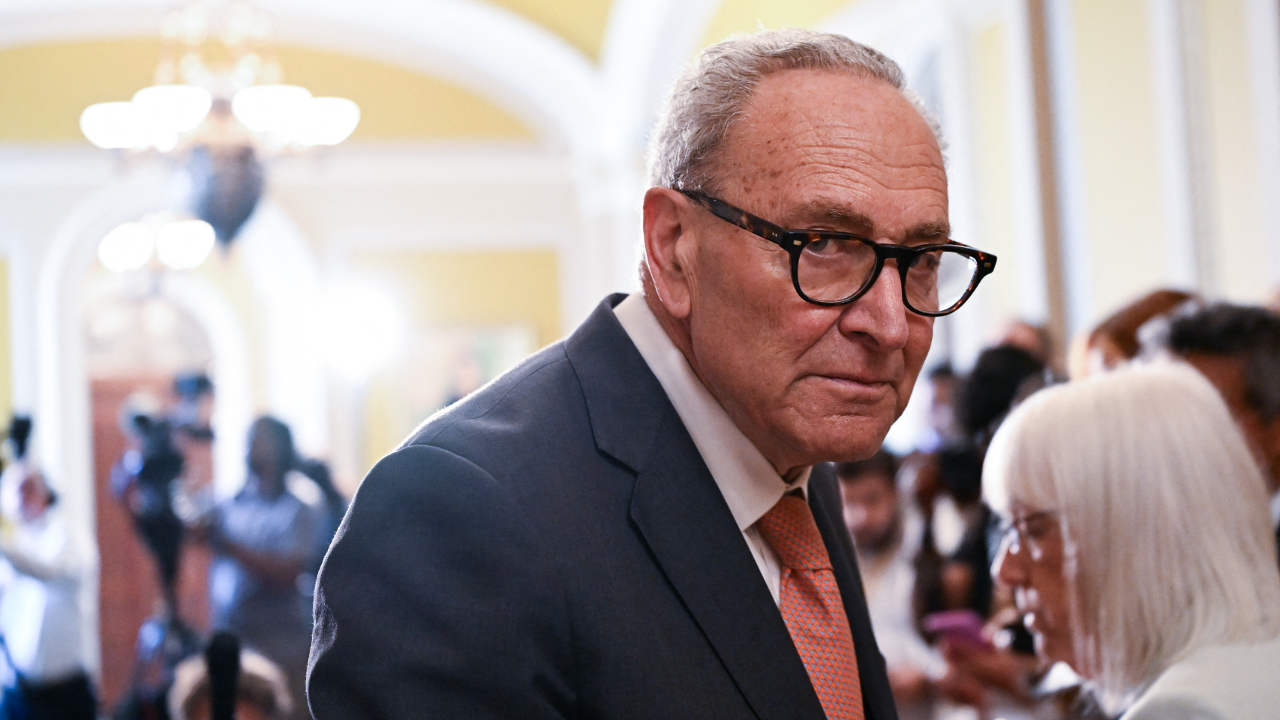
Cover image from foxnews.com, which was analyzed for this article
Moderate Milwaukee County Executive David Crowley narrowly defeated progressive state Rep. Francesca Hong in the Democratic primary for governor, signaling limits to the left-wing wave in the party.
PoliticalOS
Wednesday, August 12, 2026 — Politics
The 3,000-vote margin shows Wisconsin Democratic primary voters prioritized a candidate they viewed as more competitive in November over the progressive momentum seen in other states. Crowley’s late consolidation with Evers’s support and Hong’s unendorsed status among national left figures proved decisive in a race both parties expect to remain tight.
What outlets missed
Most outlets omitted Crowley’s stated personal history of three childhood evictions and family struggles with addiction that he has used to frame his candidacy. Few reported the precise policy detail that Hong proposed a one-year moratorium on AI data centers citing $2 billion in existing tax incentives and concerns over energy and water demand. Coverage rarely noted that Hong’s campaign manager stated the team would assist the nominee after conceding or that the final margin exceeded the 0.25-point threshold that would have required Hong’s campaign to pay for a recount.
Crowley Defeats Progressive Rival in Wisconsin Democratic Primary
Milwaukee County Executive David Crowley narrowly secured the Democratic nomination for Wisconsin governor Tuesday, defeating state Rep. Francesca Hong in a contest that tested the reach of democratic socialist ideas in a key swing state. With most votes counted, Crowley held 39.8 percent to Hong's 39.4 percent, a margin of roughly 3,000 votes according to the Associated Press.
Hong, a 37-year-old Madison lawmaker and member of the Democratic Socialists of America, had led recent polls by double digits after entering the race with strong support from progressive activists. Her platform featured universal childcare, free school meals, a $20 minimum wage indexed to inflation, and a one-year pause on new data center construction. She positioned the campaign around expanding government programs and higher taxes on corporations and high earners.
Crowley, 40, had suspended his earlier bid amid weak polling and fundraising shortfalls. He reentered the race last month after receiving an endorsement from outgoing Gov. Tony Evers, who sought to consolidate support behind a candidate viewed as more competitive in November. Crowley's closing argument centered on executive experience and the need to defeat Republican Rep. Tom Tiffany, a Trump-backed candidate who voted against certifying the 2020 election results.
The outcome reversed Hong's polling advantage in a race marked by high undecided voter shares and shifting candidate fields. Similar polling overstatements appeared in Michigan's Senate primary, where progressive Abdul El-Sayed ultimately prevailed but by less than surveys suggested. Wisconsin Democrats ultimately favored the candidate with a record of local governance over one tied to national progressive networks.
Tiffany won his party's nomination without opposition and will face Crowley in a general election expected to hinge on narrow margins, as Wisconsin has in recent cycles. Republicans have identified the open seat as a potential pickup opportunity. Crowley would become the state's first Black governor if elected.
The primary reflected broader patterns in voter behavior across battleground states. While progressives recorded wins in some safe Democratic districts, the Wisconsin result showed resistance in places where general-election viability carries heavier weight. Hong's campaign drew scrutiny over past statements on issues including policing and cultural traditions, which opponents used to question her appeal beyond the primary electorate.
Crowley has emphasized practical steps on housing, schools, and affordability, including zoning reforms to increase supply and incremental minimum wage increases. His victory came despite an initial disadvantage in enthusiasm from the party's activist base. Data from past elections in similar states indicate that candidates emphasizing measurable results and cross-aisle appeal tend to outperform those advancing expansive new entitlements when facing unified opposition.
The narrow margin leaves open questions about the durability of progressive momentum heading into the fall. Hong's near-miss demonstrated organized support for her agenda, yet the final tally aligned with historical patterns where swing-state voters weigh electability heavily. Crowley now turns to unifying the party for a contest against Tiffany that will test whether voters reward the more moderate profile in November.
You just read Conservative's take. Want to read what actually happened?
More in Politics
Democrats Flip Senate, Expand House Majority in Midterms
Democrats flipped the Senate and expanded their House majority in a major rebuke to President Trump and Republicans. Key victories included multiple Senate seats and state-level wins that ended long-standing GOP dominance in places like Texas.
GOP Losses Spur Blame, Vance Distancing, 2028 Maneuvers
Republicans are pointing fingers internally after heavy losses, with Vice President JD Vance distancing himself from Trump over the Iran war and positioning for a potential 2028 run. Challengers within the party are already sensing opportunity.
Democrats Take House and Senate Amid Record Midterm Turnout
Democrats achieved decisive gains in the 2026 midterms, flipping seats to take control of both chambers. Coverage highlights historic turnout and implications for the Trump administration.
Democrats Take House and Senate, Constraining Trump
Democrats flipped both the House and Senate in a major rebuke to President Trump and Republicans. The results create divided government and set up battles over spending, oversight, and foreign policy for the remainder of Trump's term.
The Compass
You just read five takes on one story.
What's your take? Find your political shape in a few minutes.
Take the test