
Crowley edges Hong in tight Wisconsin Democratic primary
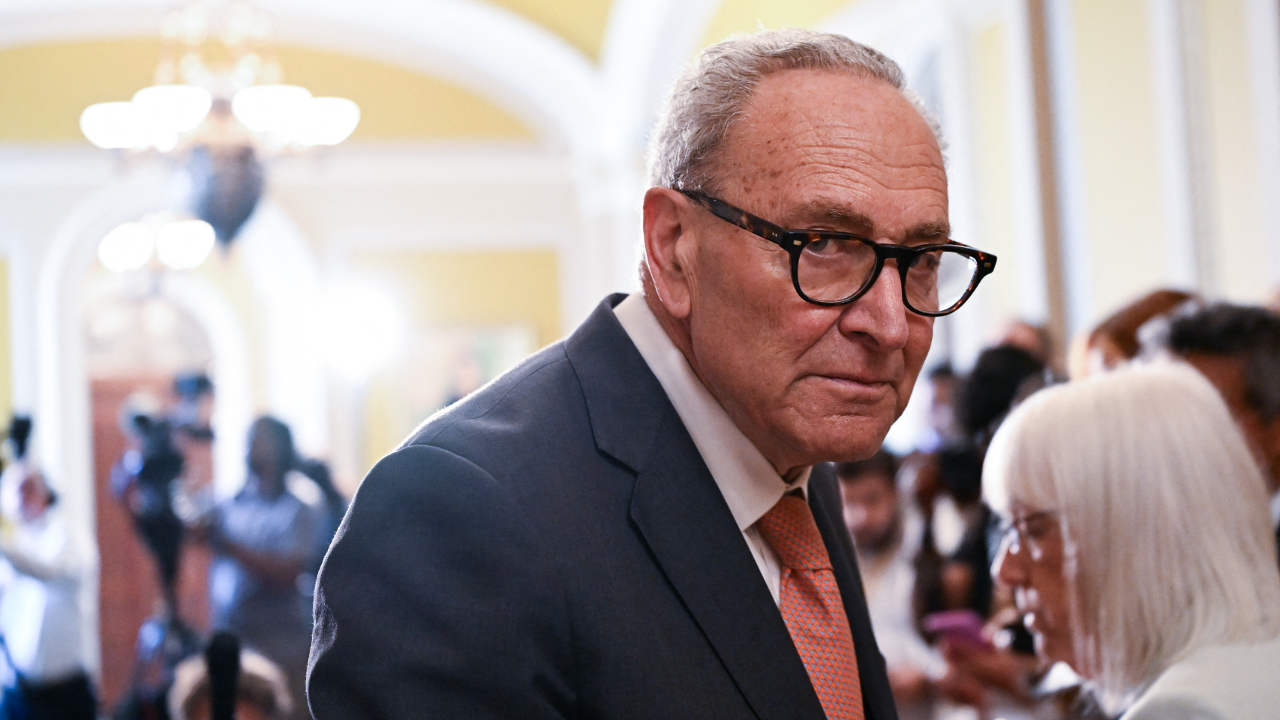
Cover image from foxnews.com, which was analyzed for this article
Moderate Milwaukee County Executive David Crowley narrowly defeated progressive state Rep. Francesca Hong in the Democratic primary for governor, signaling limits to the left-wing wave in the party.
PoliticalOS
Wednesday, August 12, 2026 — Politics
The 3,000-vote margin shows Wisconsin Democratic primary voters prioritized a candidate they viewed as more competitive in November over the progressive momentum seen in other states. Crowley’s late consolidation with Evers’s support and Hong’s unendorsed status among national left figures proved decisive in a race both parties expect to remain tight.
What outlets missed
Most outlets omitted Crowley’s stated personal history of three childhood evictions and family struggles with addiction that he has used to frame his candidacy. Few reported the precise policy detail that Hong proposed a one-year moratorium on AI data centers citing $2 billion in existing tax incentives and concerns over energy and water demand. Coverage rarely noted that Hong’s campaign manager stated the team would assist the nominee after conceding or that the final margin exceeded the 0.25-point threshold that would have required Hong’s campaign to pay for a recount.
Wisconsin Democrats Pick Establishment Over Socialist in Tight Governor Primary
Milwaukee County Executive David Crowley narrowly defeated state Rep. Francesca Hong in Tuesday's Democratic primary for Wisconsin governor, handing the party establishment a last-minute victory over a democratic socialist candidate in a key battleground state. With most votes counted, Crowley held a slim edge of roughly 3,000 votes, or about 39.8 percent to Hong's 39.4 percent.
The outcome came after Crowley re-entered the race last month with the backing of outgoing Democratic Gov. Tony Evers, who urged him to block Hong's momentum. Hong, a 37-year-old chef and former restaurant owner from Madison who serves in the state assembly, had led polls by double digits earlier in the cycle and positioned herself as an insurgent voice for expansive government programs including universal childcare, free school meals, and a moratorium on new data centers.
Her campaign drew energy from progressive activists and echoed recent left-wing primary successes elsewhere. Yet concerns over her viability against Republicans mounted quickly. Hong, a member of the Democratic Socialists of America, faced scrutiny for past comments on issues like public safety and cultural traditions, including criticism of holidays such as Thanksgiving and Halloween. Prominent national progressives including Sen. Bernie Sanders and Rep. Alexandria Ocasio-Cortez declined to endorse her.
Crowley, 40, campaigned on his executive experience and argued he offered the stronger chance to hold the governorship in November. He will face U.S. Rep. Tom Tiffany, a conservative backed by President Donald Trump who won the Republican primary unopposed. Tiffany, known for his voting record against certifying the 2020 election results, has focused on affordability, taxes, and rural issues in the general election contest.
The primary highlighted limits to how far left Democratic voters in swing states appear willing to go. Hong's narrow loss followed a string of progressive wins in other states, but Wisconsin Democrats ultimately consolidated behind the more moderate option amid fears that a socialist nominee could hand the office to Republicans. Crowley has emphasized practical steps on housing, jobs, and schools rather than sweeping ideological shifts.
The race drew national attention as an early test of Democratic strategy ahead of the midterms. Hong's supporters framed her effort as a push against party insiders, while Crowley's backers stressed electability in a state decided by razor-thin margins in recent cycles. With the general election now set between Crowley, who would be Wisconsin's first Black governor if victorious, and the Trump-aligned Tiffany, both sides are preparing for a contest centered on economic pressures facing working families.
Voter turnout and undecided ballots played a decisive role, as earlier polling proved unreliable in a fluid field. The result suggests that despite activist energy on the left, many Democrats prioritized candidates seen as less likely to alienate moderates and independents in November.
You just read America First's take. Want to read what actually happened?
More in Politics
Democrats Flip Senate, Expand House Majority in Midterms
Democrats flipped the Senate and expanded their House majority in a major rebuke to President Trump and Republicans. Key victories included multiple Senate seats and state-level wins that ended long-standing GOP dominance in places like Texas.
GOP Losses Spur Blame, Vance Distancing, 2028 Maneuvers
Republicans are pointing fingers internally after heavy losses, with Vice President JD Vance distancing himself from Trump over the Iran war and positioning for a potential 2028 run. Challengers within the party are already sensing opportunity.
Democrats Take House and Senate Amid Record Midterm Turnout
Democrats achieved decisive gains in the 2026 midterms, flipping seats to take control of both chambers. Coverage highlights historic turnout and implications for the Trump administration.
Democrats Take House and Senate, Constraining Trump
Democrats flipped both the House and Senate in a major rebuke to President Trump and Republicans. The results create divided government and set up battles over spending, oversight, and foreign policy for the remainder of Trump's term.
The Compass
You just read five takes on one story.
What's your take? Find your political shape in a few minutes.
Take the test