
Crowley edges Hong in tight Wisconsin Democratic primary
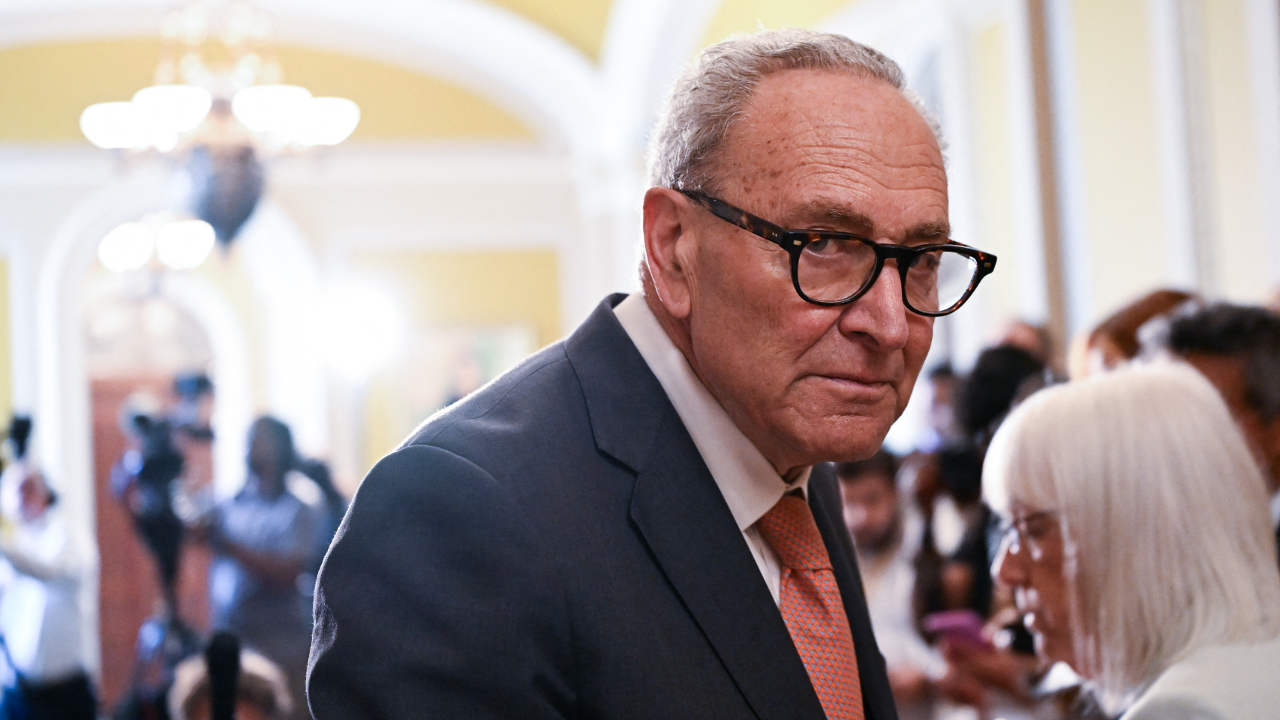
Cover image from foxnews.com, which was analyzed for this article
Moderate Milwaukee County Executive David Crowley narrowly defeated progressive state Rep. Francesca Hong in the Democratic primary for governor, signaling limits to the left-wing wave in the party.
PoliticalOS
Wednesday, August 12, 2026 — Politics
The 3,000-vote margin shows Wisconsin Democratic primary voters prioritized a candidate they viewed as more competitive in November over the progressive momentum seen in other states. Crowley’s late consolidation with Evers’s support and Hong’s unendorsed status among national left figures proved decisive in a race both parties expect to remain tight.
What outlets missed
Most outlets omitted Crowley’s stated personal history of three childhood evictions and family struggles with addiction that he has used to frame his candidacy. Few reported the precise policy detail that Hong proposed a one-year moratorium on AI data centers citing $2 billion in existing tax incentives and concerns over energy and water demand. Coverage rarely noted that Hong’s campaign manager stated the team would assist the nominee after conceding or that the final margin exceeded the 0.25-point threshold that would have required Hong’s campaign to pay for a recount.
David Crowley Edges Out Francesca Hong in Wisconsin Democratic Primary
David Crowley narrowly won the Democratic nomination for Wisconsin governor on Tuesday, defeating state Representative Francesca Hong in a race that tested the limits of progressive momentum in a critical swing state. With most votes counted, Crowley held a slim lead of roughly 3,000 votes, or about 0.4 percentage points, according to the Associated Press. The Milwaukee County executive will now face Republican Representative Tom Tiffany, a Trump-endorsed candidate, in November.
The outcome marked a setback for the democratic socialist wing of the party after a string of recent primary successes elsewhere. Hong, a 37-year-old Madison legislator and former restaurant owner, had led most polls by double digits until the final weeks. Her platform centered on expansive social programs, including universal childcare, free school meals and higher taxes on corporations and high earners. She positioned her campaign as a vehicle for transforming state government along more egalitarian lines.
Crowley, 40, reentered the race last month after suspending his campaign amid weak fundraising and polling. His return came with the explicit backing of outgoing Governor Tony Evers, who framed the choice as one of electability against a Republican opponent in a state decided by narrow margins in recent cycles. Crowley emphasized his executive record and argued that voters wanted a candidate with proven governing experience rather than ideological purity. That message appears to have consolidated support among Democrats wary of handing the nomination to a candidate viewed as too far left for the general election.
The race highlighted recurring tensions within the Democratic coalition. Hong drew energy from activists energized by policy ambitions on housing, labor and climate, but she also faced scrutiny over past statements on issues like policing and cultural traditions that opponents used to question her general-election viability. Prominent national progressives largely stayed out of the contest, and polling proved unreliable amid a fluid field and high undecided shares. Similar patterns appeared in Michigan’s recent Senate primary, where early surveys overstated the progressive candidate’s advantage.
Wisconsin’s result does not erase broader shifts in the party. Progressive candidates have secured notable victories in safer Democratic districts and states this cycle. Yet the narrow defeat in this open-seat battleground contest suggests that voters in competitive environments continue to weigh a candidate’s perceived ability to win over swing voters and independents. Crowley’s success rested on consolidating establishment support rather than building a dominant coalition of his own.
The fall campaign will test whether that calculation holds. Tiffany, a conservative House member who opposed certifying the 2020 election results, has sought to rebrand around affordability and rural concerns as Trump’s national standing has softened. Crowley’s path requires uniting a Democratic base that remains divided over the direction of the party while expanding into suburban and rural areas that have swung between the parties in recent elections. The primary’s closeness indicates that those divisions are unlikely to resolve quickly.
You just read Liberal's take. Want to read what actually happened?
More in Politics
Democrats Flip Senate, Expand House Majority in Midterms
Democrats flipped the Senate and expanded their House majority in a major rebuke to President Trump and Republicans. Key victories included multiple Senate seats and state-level wins that ended long-standing GOP dominance in places like Texas.
GOP Losses Spur Blame, Vance Distancing, 2028 Maneuvers
Republicans are pointing fingers internally after heavy losses, with Vice President JD Vance distancing himself from Trump over the Iran war and positioning for a potential 2028 run. Challengers within the party are already sensing opportunity.
Democrats Take House and Senate Amid Record Midterm Turnout
Democrats achieved decisive gains in the 2026 midterms, flipping seats to take control of both chambers. Coverage highlights historic turnout and implications for the Trump administration.
Democrats Take House and Senate, Constraining Trump
Democrats flipped both the House and Senate in a major rebuke to President Trump and Republicans. The results create divided government and set up battles over spending, oversight, and foreign policy for the remainder of Trump's term.
The Compass
You just read five takes on one story.
What's your take? Find your political shape in a few minutes.
Take the test