
WNBA Eligibility Rules Tested by Draft Declarations and Player Clashes
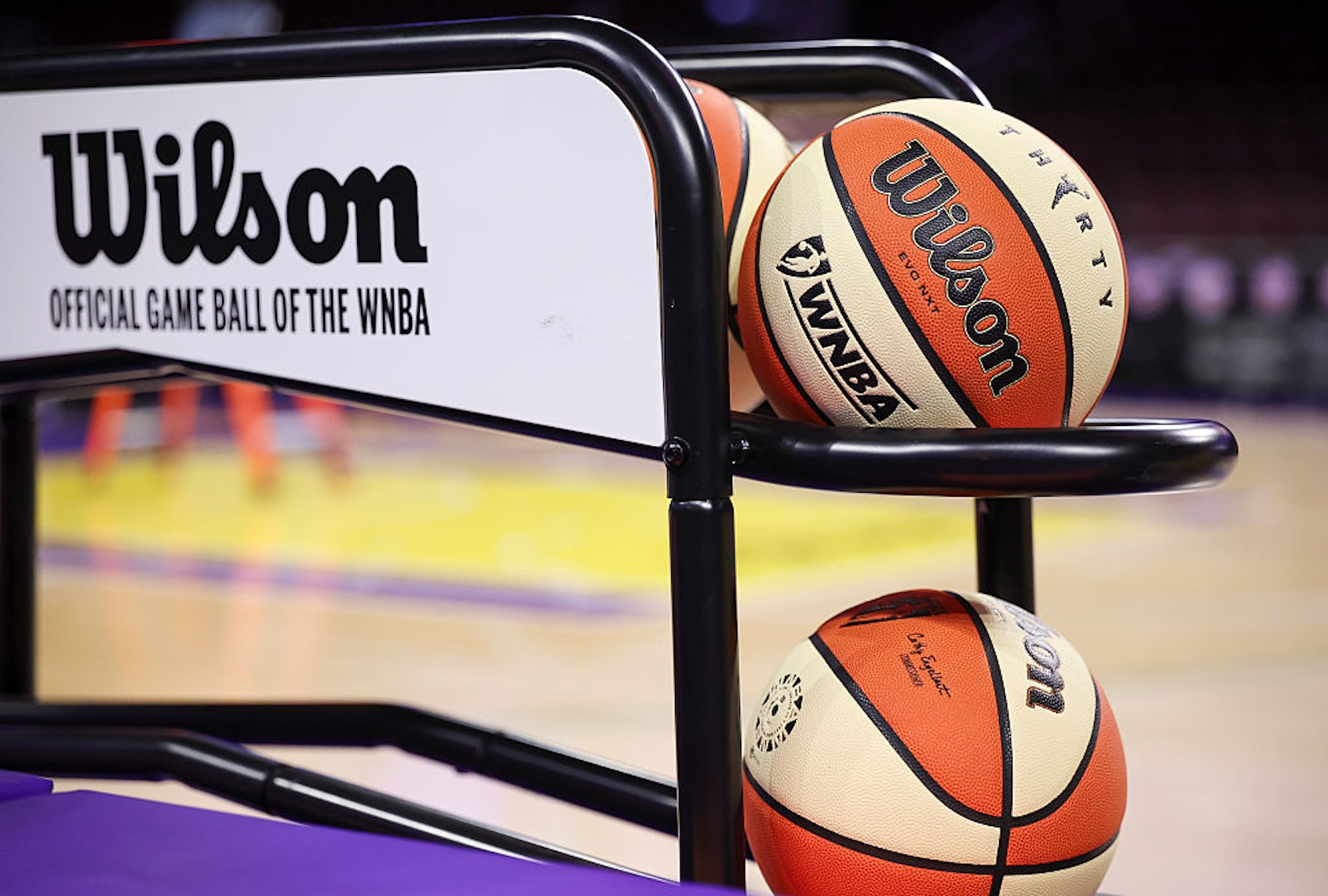
Cover image from salon.com, which was analyzed for this article
Outlets across the spectrum debate the league's embrace of social issues, player treatment, and media framing amid declining or polarized interest.
PoliticalOS
Saturday, August 15, 2026 — Politics
The WNBA must reconcile its collectively bargained eligibility rule limiting participation to women with public statements on inclusion, while external media on both sides amplify the resulting tension. League growth continues regardless, but the outcome of the task force will determine whether the current rules hold or shift before the 2027 draft.
What outlets missed
The league's collective bargaining agreement already limits eligibility to women, a detail referenced only in passing by some outlets despite its direct bearing on the declarations. Actual attendance and valuation growth figures were cited without consistent attribution or timeline context showing gains predated the current controversy cycle. Cunningham's full statements distancing herself from racial framing and emphasizing protection of young athletes received uneven treatment across pieces. No outlet examined how the task force timeline intersects with the 2027 draft cycle or potential CBA renegotiation.
WNBA Debates Eligibility as Identity Issues Overshadow Talent
The WNBA has drawn unusual attention this summer not from game results or attendance figures but from disputes over race, gender, and eligibility rules. League officials scheduled an emergency meeting to address player declarations and public statements after Indiana Fever guard Sophie Cunningham voiced support for keeping biological males out of the women's competition. Cunningham stated that protecting Title IX and women's sports requires clear boundaries based on sex.
Media coverage has highlighted claims of racial tension involving star Caitlin Clark, who has faced physical play from opponents. Some accounts describe this as payback tied to her background and popularity. At the same time, discussions have turned to transgender participation despite no current players in the league fitting that description. Fox News devoted significant airtime to the topic, according to Media Matters tracking, even as the league reported rising interest.
Two former NBA players, Enis Kanter Freedom and Royce White, recently announced intentions to enter the WNBA draft while identifying as women. Both had modest or brief careers in the men's league. Observers note that their physical profiles would likely confer advantages in women's competition, echoing patterns seen in other sports where biological males have competed. League commissioner Cathy Engelbert has faced criticism for statements emphasizing inclusion, equity, and diversity rather than reaffirming sex-based categories.
Coaches from several teams appeared in pro-trans shirts during games, contrasting with Cunningham's position. The league issued a release stressing values of justice and inclusion, which some players and fans viewed as sidestepping biological distinctions central to the sport's existence. Historical data from track, swimming, and combat sports shows consistent performance gaps between males and females post-puberty, driven by differences in muscle mass, bone density, and strength.
The WNBA's growth has centered on marketable talent like Clark, whose presence boosted ticket sales and television numbers in recent seasons. Earlier reliance on subsidies from the NBA reflected limited profitability, a point critics raised before the current cultural debates. Attempts to frame Clark's success through narratives of white privilege have appeared alongside calls for greater demographic representation, yet attendance and viewership metrics track individual performance and competition quality more closely than political framing.
Critics from various outlets argue that injecting these issues risks alienating core audiences focused on athletic merit. The league's handling of Cunningham drew internal pushback, including from some players who prioritized competitive fairness. Past episodes, such as coverage of Brittney Griner's detention, showed similar patterns where political angles dominated over on-court developments.
Empirical patterns in sports suggest that policies ignoring average sex differences produce predictable outcomes in strength-based events. The WNBA's response will test whether leadership prioritizes measurable performance standards or broader social goals. Market signals from fans and sponsors may ultimately shape the direction more than internal statements.
You just read Conservative's take. Want to read what actually happened?
More in Politics
Democrats Flip Senate, Expand House Majority in Midterms
Democrats flipped the Senate and expanded their House majority in a major rebuke to President Trump and Republicans. Key victories included multiple Senate seats and state-level wins that ended long-standing GOP dominance in places like Texas.
GOP Losses Spur Blame, Vance Distancing, 2028 Maneuvers
Republicans are pointing fingers internally after heavy losses, with Vice President JD Vance distancing himself from Trump over the Iran war and positioning for a potential 2028 run. Challengers within the party are already sensing opportunity.
Democrats Take House and Senate Amid Record Midterm Turnout
Democrats achieved decisive gains in the 2026 midterms, flipping seats to take control of both chambers. Coverage highlights historic turnout and implications for the Trump administration.
Democrats Take House and Senate, Constraining Trump
Democrats flipped both the House and Senate in a major rebuke to President Trump and Republicans. The results create divided government and set up battles over spending, oversight, and foreign policy for the remainder of Trump's term.
The Compass
You just read five takes on one story.
What's your take? Find your political shape in a few minutes.
Take the test