
WNBA Eligibility Rules Tested by Draft Declarations and Player Clashes
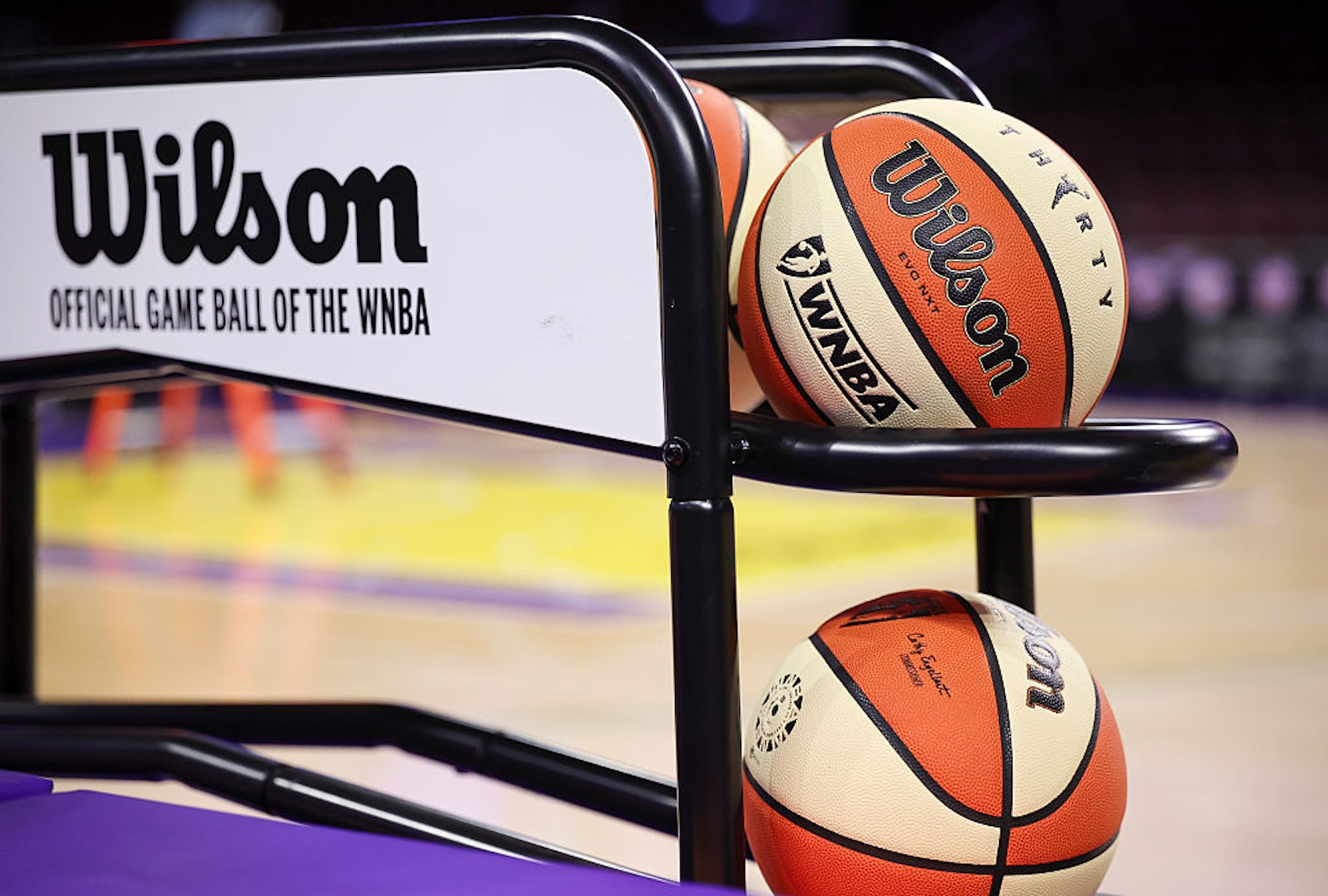
Cover image from salon.com, which was analyzed for this article
Outlets across the spectrum debate the league's embrace of social issues, player treatment, and media framing amid declining or polarized interest.
PoliticalOS
Saturday, August 15, 2026 — Politics
The WNBA must reconcile its collectively bargained eligibility rule limiting participation to women with public statements on inclusion, while external media on both sides amplify the resulting tension. League growth continues regardless, but the outcome of the task force will determine whether the current rules hold or shift before the 2027 draft.
What outlets missed
The league's collective bargaining agreement already limits eligibility to women, a detail referenced only in passing by some outlets despite its direct bearing on the declarations. Actual attendance and valuation growth figures were cited without consistent attribution or timeline context showing gains predated the current controversy cycle. Cunningham's full statements distancing herself from racial framing and emphasizing protection of young athletes received uneven treatment across pieces. No outlet examined how the task force timeline intersects with the 2027 draft cycle or potential CBA renegotiation.
WNBA Draws Heightened Scrutiny From Conservative Media Over Gender Issues
Fox News has devoted more than 13 hours of airtime in recent weeks to the prospect of transgender players competing in the WNBA, according to tracking by Media Matters. No such players are currently in the league or on its rosters. The coverage has centered on comments from Indiana Fever guard Sophie Cunningham, who voiced support for keeping biological males out of women's competition, and on broader debates about race and inclusion that have followed the rise of star Caitlin Clark.
The attention comes as the WNBA continues to expand its audience. League attendance and television ratings have climbed in the past two seasons, driven in part by Clark's arrival and the visibility of other young players. Yet the conservative focus has treated the league less as a sports enterprise and more as a stand-in for arguments over Title IX protections, biological sex categories, and the treatment of white athletes in a majority-Black league.
Cunningham's remarks followed a series of physical incidents involving Clark, which some observers described as overly aggressive. Cunningham framed her position as a defense of women's sports under existing rules. League commissioner Cathy Engelbert and several coaches responded with statements emphasizing inclusion and equity, prompting criticism from outlets that argued the WNBA was distancing itself from Cunningham's stance. Two former NBA players, Enis Kanter Freedom and Royce White, publicly floated interest in the WNBA draft in ways that amplified the discussion, though their comments were widely viewed as provocative rather than serious attempts to enter the league.
The pattern fits a recurring cycle in which right-leaning media outlets increase their focus on the WNBA each summer before shifting attention to football season. Past coverage has linked the league to grievances over Brittney Griner's detention in Russia and to claims that the sport receives undue subsidies from the NBA. Current reporting often pairs Clark's popularity with assertions that Black players have targeted her with rough play, a framing that echoes earlier "Bad Boys" Pistons narratives but applies it across racial lines.
Data on actual participation shows the transgender element remains hypothetical. WNBA eligibility rules continue to follow guidelines that require players to meet medical and hormonal criteria established for women's competition. No roster currently includes athletes who transitioned after puberty. The volume of coverage therefore rests on potential policy changes or future applicants rather than present conditions.
Analysts note that the league's revenue growth stems from ticket sales, merchandise, and broadcast deals tied to on-court performance, not from the off-court debates. Clark's individual marketing power has been cited as a primary driver, with several teams reporting increased interest in Fever games. At the same time, internal tensions over officiating and physical play have surfaced in player interviews, independent of external commentary.
The episode illustrates how cultural arguments can attach themselves to institutions experiencing commercial success. Coverage from multiple outlets shows the same underlying events—Cunningham's comments, Clark's visibility, and league statements—interpreted through sharply different lenses. One side presents the WNBA as under siege from identity politics; the other sees manufactured controversy aimed at an expanding but still modestly resourced women's league. The measurable indicators of interest, such as viewership and attendance, have continued to rise regardless.
You just read Liberal's take. Want to read what actually happened?
More in Politics

Democrats Flip Senate, Expand House Majority in Midterms
Democrats flipped the Senate and expanded their House majority in a major rebuke to President Trump and Republicans. Key victories included multiple Senate seats and state-level wins that ended long-standing GOP dominance in places like Texas.

GOP Losses Spur Blame, Vance Distancing, 2028 Maneuvers
Republicans are pointing fingers internally after heavy losses, with Vice President JD Vance distancing himself from Trump over the Iran war and positioning for a potential 2028 run. Challengers within the party are already sensing opportunity.

Democrats Take House and Senate Amid Record Midterm Turnout
Democrats achieved decisive gains in the 2026 midterms, flipping seats to take control of both chambers. Coverage highlights historic turnout and implications for the Trump administration.
Democrats Take House and Senate, Constraining Trump
Democrats flipped both the House and Senate in a major rebuke to President Trump and Republicans. The results create divided government and set up battles over spending, oversight, and foreign policy for the remainder of Trump's term.
The Compass
You just read five takes on one story.
What's your take? Find your political shape in a few minutes.
Take the test