
WNBA Eligibility Rules Tested by Draft Declarations and Player Clashes
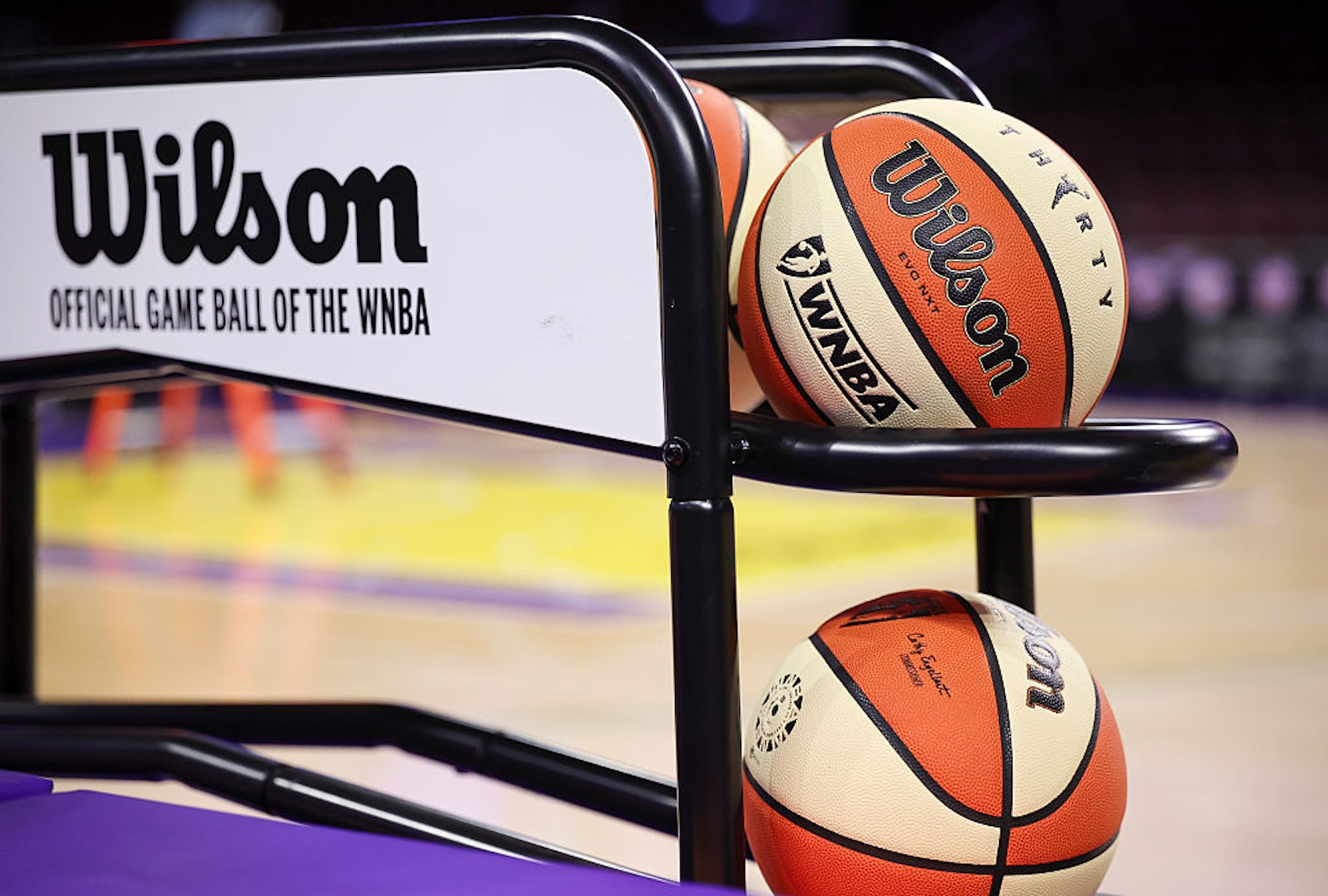
Cover image from salon.com, which was analyzed for this article
Outlets across the spectrum debate the league's embrace of social issues, player treatment, and media framing amid declining or polarized interest.
PoliticalOS
Saturday, August 15, 2026 — Politics
The WNBA must reconcile its collectively bargained eligibility rule limiting participation to women with public statements on inclusion, while external media on both sides amplify the resulting tension. League growth continues regardless, but the outcome of the task force will determine whether the current rules hold or shift before the 2027 draft.
What outlets missed
The league's collective bargaining agreement already limits eligibility to women, a detail referenced only in passing by some outlets despite its direct bearing on the declarations. Actual attendance and valuation growth figures were cited without consistent attribution or timeline context showing gains predated the current controversy cycle. Cunningham's full statements distancing herself from racial framing and emphasizing protection of young athletes received uneven treatment across pieces. No outlet examined how the task force timeline intersects with the 2027 draft cycle or potential CBA renegotiation.
Fox News fuels phantom controversy over WNBA while league draws record crowds
Fox News has poured more than 13 hours of airtime into claims of transgender athletes dominating the WNBA, according to a Media Matters review, even as no such players compete in the league. The coverage has centered on Indiana Fever stars Caitlin Clark and Sophie Cunningham, framing routine on-court physicality and player tensions as evidence of broader cultural decay.
League officials and players have rejected the narrative outright. Commissioner Cathy Engelbert has maintained that eligibility rules follow established biological standards, and no roster currently includes a transgender woman. The WNBA has instead reported sustained growth, with attendance and viewership figures climbing across multiple markets this season. Clark’s arrival has driven much of the increase, but other teams have also seen stronger ticket sales and national television numbers.
Conservative outlets have portrayed the league as divided along racial lines, with Black players allegedly targeting Clark out of resentment. Those accounts often cite Cunningham’s role as a physical defender for Clark, describing her presence as an escalation. Players and coaches from several teams have pushed back, noting that physical style has long been part of women’s professional basketball and that Clark has received standard defensive attention given her scoring output.
The same coverage has highlighted two former NBA players who announced interest in the WNBA draft under transgender identities. Neither has appeared on any team roster or received an invitation to training camp. League rules require documentation of sex at birth for participation, a policy unchanged by recent statements on inclusion.
Inside the league, reaction to Cunningham’s public comments supporting separate categories for men’s and women’s sports has been mixed. A small number of coaches wore shirts expressing support for broader participation during games, prompting internal discussions. The league issued a statement reaffirming its commitment to competitive equity alongside diversity goals, without altering eligibility criteria.
Outside observers note that the volume of Fox News segments on the topic far exceeds any documented instances of transgender participation. The network has repeatedly linked Clark’s popularity to claims of “white privilege” being rejected by veteran players, a framing that league executives and Clark’s teammates have dismissed as unrelated to on-court competition.
Ratings data released by the WNBA shows continued upward trends in both regular-season and playoff audiences. Sponsorship deals have expanded, and several franchises have reported new attendance records. The pattern mirrors previous summers in which conservative media attention spikes around women’s basketball before shifting focus once football season begins.
Players across the league have continued to emphasize skill development and team performance rather than external debates. Clark has spoken publicly about focusing on basketball fundamentals, while Cunningham has described her role as standard teammate protection. Neither has endorsed the broader culture-war framing advanced in conservative commentary.
The discrepancy between the volume of coverage and the absence of actual transgender athletes in the WNBA has drawn scrutiny from media watchdogs. They argue the emphasis serves to import external political arguments into a league that has otherwise posted measurable commercial gains.
You just read Progressive's take. Want to read what actually happened?
More in Politics
Democrats Flip Senate, Expand House Majority in Midterms
Democrats flipped the Senate and expanded their House majority in a major rebuke to President Trump and Republicans. Key victories included multiple Senate seats and state-level wins that ended long-standing GOP dominance in places like Texas.
GOP Losses Spur Blame, Vance Distancing, 2028 Maneuvers
Republicans are pointing fingers internally after heavy losses, with Vice President JD Vance distancing himself from Trump over the Iran war and positioning for a potential 2028 run. Challengers within the party are already sensing opportunity.
Democrats Take House and Senate Amid Record Midterm Turnout
Democrats achieved decisive gains in the 2026 midterms, flipping seats to take control of both chambers. Coverage highlights historic turnout and implications for the Trump administration.
Democrats Take House and Senate, Constraining Trump
Democrats flipped both the House and Senate in a major rebuke to President Trump and Republicans. The results create divided government and set up battles over spending, oversight, and foreign policy for the remainder of Trump's term.
The Compass
You just read five takes on one story.
What's your take? Find your political shape in a few minutes.
Take the test