
Democrats hold midterm edge amid Trump slump and economic strain

Cover image from cnbc.com, which was analyzed for this article
With four weeks until midterms, polls show Democrats holding an edge amid Trump unpopularity, while Republicans pour funds into battlegrounds like South Carolina and Kansas. Coverage from left, center, and right outlets examines voter sentiment on economy and immigration.
PoliticalOS
Tuesday, October 6, 2026 — Politics
Democrats enter the final stretch with measurable polling and forecast advantages rooted in low presidential approval and economic discontent, yet Republican financial resources and fewer competitive districts create real limits on potential gains. The outcome hinges on whether late shifts in voter enthusiasm or turnout match historical midterm patterns.
What outlets missed
Most coverage omitted detailed tracking of late-cycle polling accuracy in Trump-era midterms versus presidential years, where systematic undercounts of Republicans appeared in 2016, 2020 and 2024 but not in 2018 or 2022. Few outlets examined how Kansas livestock and meatpacking sectors faced simultaneous labor disruptions from ICE enforcement and higher import competition from tariff adjustments. Coverage also underplayed the specific risk that Democratic spending on long-shot open seats could leave newly won districts exposed in 2028 when national conditions normalize.
Voters head into the final month of the 2026 midterms with Democrats holding a measurable advantage in national polling and key congressional forecasts, driven by President Trump's 37 percent approval rating and widespread frustration over rising costs. The Cook Political Report now rates the Senate a toss-up after shifting six Republican-held seats toward Democrats since June, while projecting Democrats a net gain of five to 15 House seats. History shows the president's party loses an average of 26 House seats and four Senate seats in midterms, with steeper losses when approval sits below 50 percent.
Economic pressures dominate voter concerns across battlegrounds. An Emerson College survey in Kansas found 45 percent support for Democratic Senate challenger Adam Hamilton against 43 percent for Republican incumbent Roger Marshall, within the 3.6-point margin of error, with nearly half of likely voters naming the economy their top issue. Trade disputes and retaliatory tariffs have hit Kansas grain and soybean markets while the Iran conflict pushed diesel prices up nearly a dollar a gallon in one harvest stretch, according to AAA data. An AP/NORC poll showed 65 percent attributing higher prices more to Trump's policies than outside factors.
Republicans retain structural and financial edges that could limit Democratic gains. The party holds a roughly $70 million ad-spending advantage in Ohio and nearly $30 million in Maine and Texas, per AdImpact tracking. Mid-decade redistricting has reduced the number of competitive House districts, and Democrats' favorable rating remains underwater at 38-58 percent in the latest Wall Street Journal survey. In Kansas, Marshall's campaign held $5.4 million in cash as of July compared with Hamilton's $1.7 million.
Specific races illustrate the tightening map. Cook moved Texas and Iowa Senate contests to toss-up status in August and placed South Carolina on the competitive board in September. NPR/PBS News/Marist polling shows Democrats leading the generic congressional ballot by nine points on average, though structural factors such as fewer swing seats and Republican spending may cap net gains below historical patterns for an unpopular president.
More in Politics

Federal Agents Search Omar Home in Ongoing Immigration Probe
Homeland Security agents searched the Minnesota Democrat's DC residence in a criminal probe, prompting accusations of political intimidation from Omar and Democratic leaders. Coverage spans left-leaning outlets like NPR, BBC, and The Guardian alongside right-leaning criticism from The Federalist and Daily Wire.

Trump Diesel Import Plan Draws Pushback Over Russia Ties
The weekend agreement drew bipartisan congressional pushback and criticism from Ukraine's Zelenskyy, with analysts downplaying US fuel price impacts. Right-leaning outlets like National Review, Dispatch, and Washington Examiner questioned its legality and effectiveness.

Independents Test Voter Appetite for Middle Ground in 2026 Midterms
Nearly 200 independents are running in competitive races as voters weigh ballot measures on housing costs in states like Massachusetts. Left-leaning coverage from NYT, NPR, and Guardian highlights turnout and key races while right outlets focus on GOP strategy.
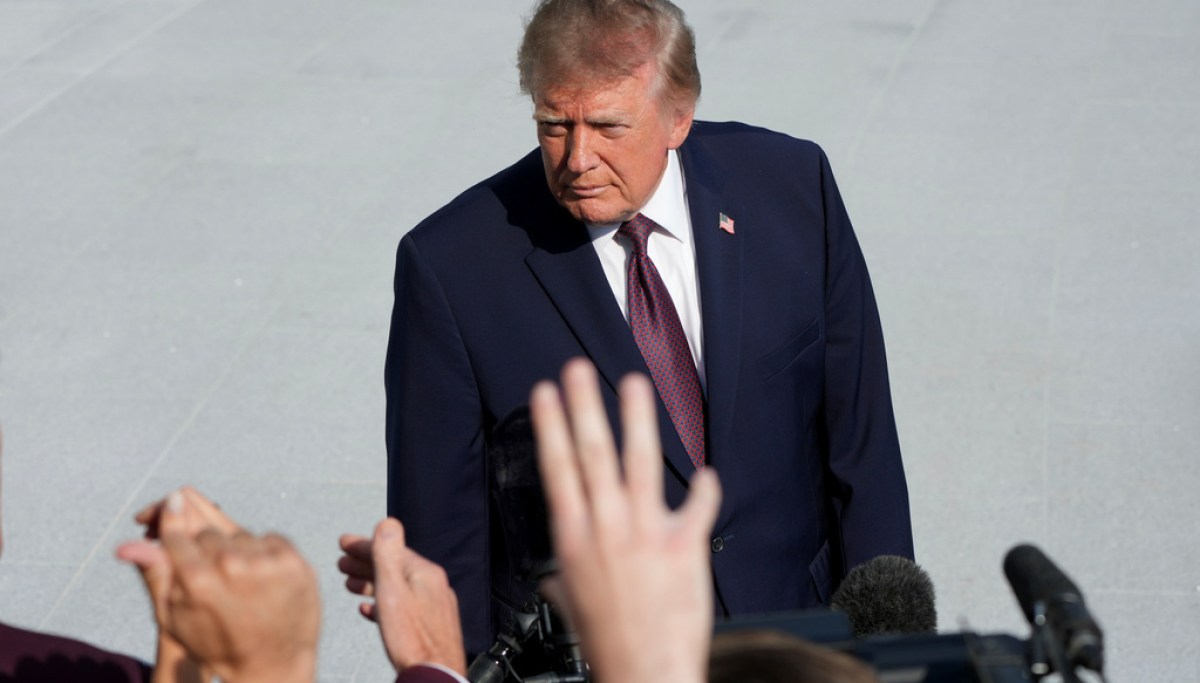
Trump Rallies in Alaska, Ohio to Bolster GOP Senate Candidates
The president rallied in Wasilla for Sen. Dan Sullivan and faced empty seats at an Ohio event amid midterm concerns. Outlets across the spectrum covered the trips as signals of GOP vulnerability weeks before Election Day.
The Compass
You just read five takes on one story.
What's your take? Find your political shape in a few minutes.
Take the test