
Redistricting Wars Tilt House Odds as Midterms Near
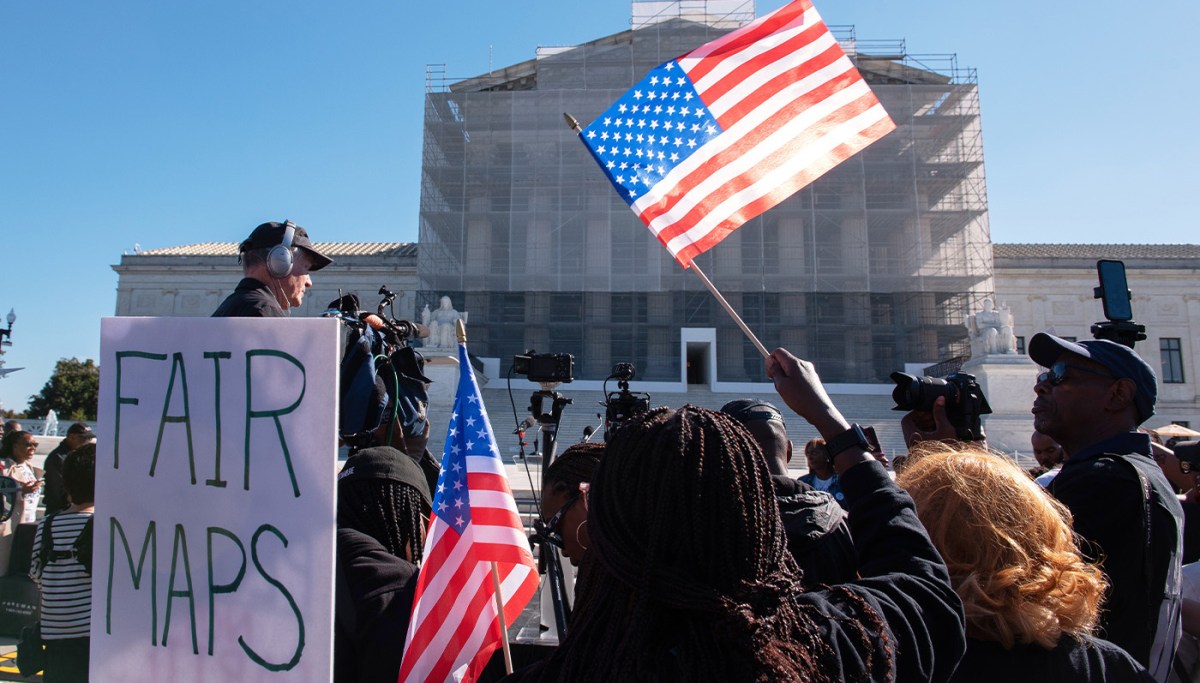
Cover image from washingtonexaminer.com, which was analyzed for this article
Democrats eye Senate control targeting GOP seats as Trump polls show toxicity for Republicans. GOP pushes redistricting and court wins to secure House majority. Strategies intensify ahead of November contests.
PoliticalOS
Friday, May 15, 2026 — Politics
Redistricting has produced a near-level House playing field that may limit Democratic gains even if national conditions favor the opposition. Voters should watch final litigation outcomes and turnout in the 18 toss-up districts. The November result will test whether map changes can overcome the historical midterm penalty for the president's party.
What outlets missed
Most coverage omitted Cook Political Report's full May 2026 ratings showing only 18 toss-ups and a near-parity baseline before recent maps. Few outlets detailed ongoing lawsuits against Florida and Texas maps alleging minority vote dilution. No piece aggregated verified net seat projections across all states or noted that some Republican maps risk diluting their own incumbents by spreading Democratic voters. Primary delays in Louisiana and procedural reversals in Virginia received uneven attention relative to their impact on voter confusion and turnout.
Democrats' Gerrymandering Push Hits Legal Walls as GOP Maps Reshape House Outlook
Republicans are watching their defensive position in the House solidify even as President Trump's approval ratings dip on issues like inflation and energy costs. Recent court decisions and state-level map redraws have slowed Democratic efforts to gain ground through aggressive redistricting, leaving party strategists scrambling to adjust their expectations for November.
The sequence began with California's Proposition 50, which Democrats hailed as a way to lock in up to 48 of the state's 52 House seats through the next several cycles. That move came after Trump encouraged Texas Republicans to redraw their own lines for potential net gains of five seats. Utah Democrats then secured a court victory that could flip one seat their way in a state long dominated by Republicans. Those early wins fueled optimism in Democratic circles about retaking the House.
Momentum shifted quickly with adverse rulings from the Supreme Court and Virginia's highest court. Those decisions, combined with Republican-led redistricting drives in several states, handed the GOP its strongest advantage in months. Analysts note that such map adjustments act as a powerful counter to Democratic overreach, particularly in areas where population shifts and turnout patterns favor conservatives.
Trump's job approval has fallen to or below 40 percent in some surveys, with disapproval on gas prices reaching 79 percent overall and even splitting Republicans. Yet betting markets and polling breakdowns suggest the GOP's narrow House majority is far from doomed. Much of the slippage appears concentrated among nonvoters rather than likely voters, a pattern that has held in recent special elections where anti-incumbent swings have been muted compared to prior cycles. Party identification gaps have also narrowed steadily since the mid-2000s, reducing the structural edge Democrats once enjoyed.
Latino voting trends add another layer of uncertainty for both sides. Republicans gained significantly in Texas and Florida during the last cycle, but recent data from New Jersey and Virginia show double-digit swings back toward Democrats in some areas. Districts in Texas with heavy Latino populations, such as the 15th, 23rd, and 34th, could tighten if those patterns persist. Democrats are now targeting previously safe Republican seats in California, New York, Colorado, and Nevada, though GOP mapmakers in Texas assumed continued rightward movement among those voters when drawing new lines.
The net result leaves the House contest closer than early Democratic projections suggested. Fundamentals like voter engagement and turnout among core Republican supporters appear steadier than media narratives of widespread backlash imply. Redistricting fights, often portrayed as cynical power grabs, are instead exposing how both parties maneuver for advantage, with recent legal setbacks curbing the more ambitious Democratic plans.
You just read America First's take. Want to read what actually happened?
More in Politics
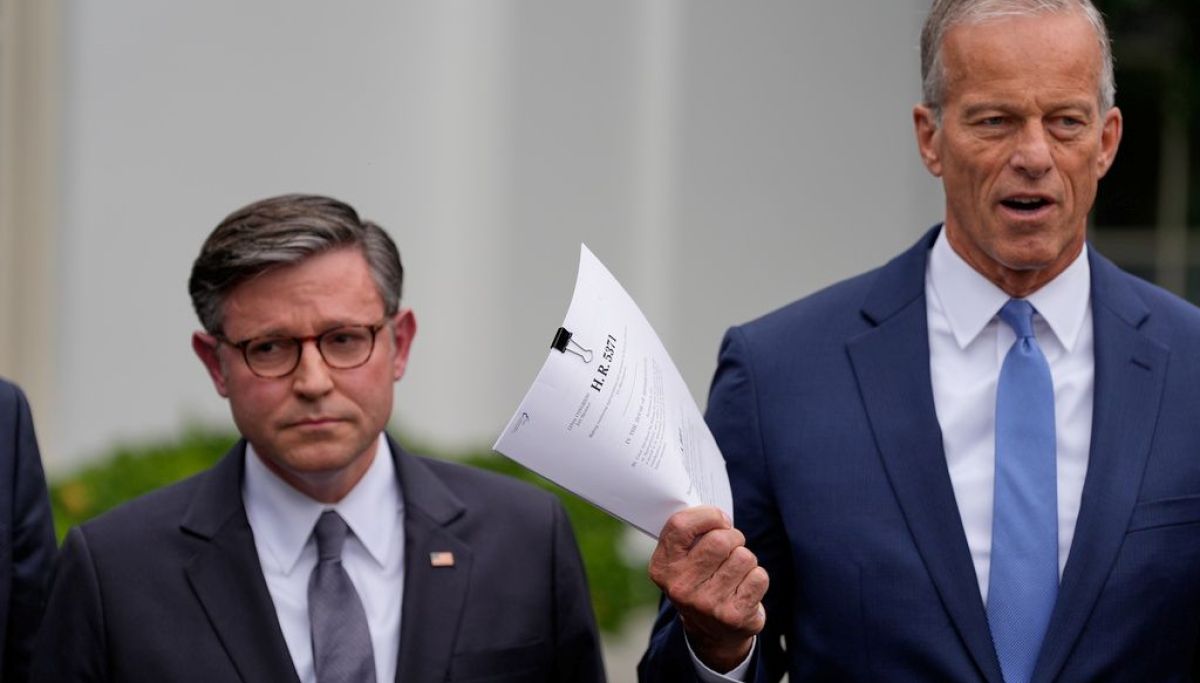
Trump at 32% Approval as Gas Prices Test GOP Midterm Hopes
NYT/Siena polling showed Trump's approval at historic lows around 32 percent with Democrats leading by double digits in key districts. Early voting has surged in battleground states.

Record Early Voting Hits Battlegrounds, Shifting Partisan Shares
AP analysis found hundreds of thousands more early ballots than in 2022 in states including Texas, Ohio, Kansas, Maine, and North Carolina, shifting partisan dynamics.
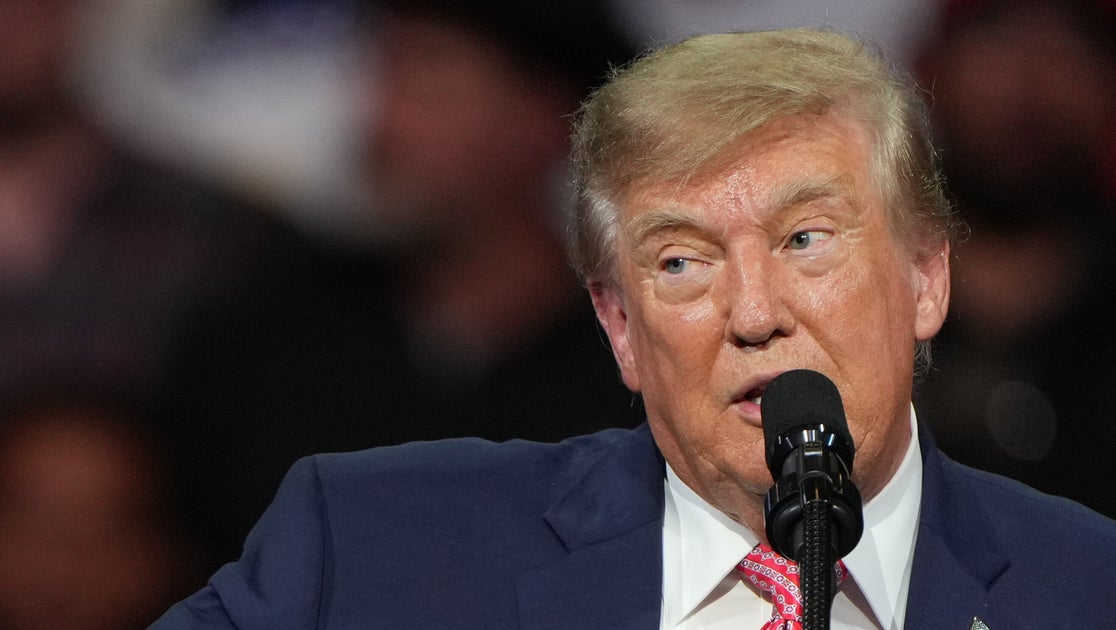
Trump Backs Marshall in Kansas Senate Race Tightened by Farm Costs
President Trump rallied in deep-red Kansas for GOP Sen. Roger Marshall in a competitive race, announcing an $8 billion farm fuel relief program amid high diesel prices. Democrats see an opening to end 94 years of GOP dominance in the state.

Trump Pauses Russia Sanctions Amid Ukraine Tensions and Missile Strikes
Trump waived sanctions on Russia and floated trilateral talks with Putin and Xi as part of ending the Ukraine war, while tensions rose with Zelenskyy over Starlink and arms. Bipartisan senators engaged Zelenskyy amid the shifts.
The Compass
You just read five takes on one story.
What's your take? Find your political shape in a few minutes.
Take the test