
Redistricting Wars Tilt House Odds as Midterms Near

Cover image from washingtonexaminer.com, which was analyzed for this article
Democrats eye Senate control targeting GOP seats as Trump polls show toxicity for Republicans. GOP pushes redistricting and court wins to secure House majority. Strategies intensify ahead of November contests.
PoliticalOS
Friday, May 15, 2026 — Politics
Redistricting has produced a near-level House playing field that may limit Democratic gains even if national conditions favor the opposition. Voters should watch final litigation outcomes and turnout in the 18 toss-up districts. The November result will test whether map changes can overcome the historical midterm penalty for the president's party.
What outlets missed
Most coverage omitted Cook Political Report's full May 2026 ratings showing only 18 toss-ups and a near-parity baseline before recent maps. Few outlets detailed ongoing lawsuits against Florida and Texas maps alleging minority vote dilution. No piece aggregated verified net seat projections across all states or noted that some Republican maps risk diluting their own incumbents by spreading Democratic voters. Primary delays in Louisiana and procedural reversals in Virginia received uneven attention relative to their impact on voter confusion and turnout.
Redistricting Changes Complicate Democratic Path to House Majority
New polling and internal Republican concerns highlight Donald Trump’s persistent unpopularity, yet structural factors in congressional mapmaking are reshaping the outlook for the 2026 midterms in ways that favor the GOP’s narrow House majority.
Recent surveys show Trump’s approval rating hovering at or below 40 percent, with particularly sharp discontent over economic issues. One analysis found his disapproval rating on gas prices reaching 79 percent overall, including 85 percent among independents and even 52 percent among Republicans. These numbers reflect broader dissatisfaction that has historically hurt the president’s party in midterm elections. Some vulnerable House Republicans have privately expressed worry that emphasizing the term “MAGA majority” risks centering Trump too prominently in the campaign, a tacit acknowledgment that his brand carries measurable drag in competitive districts.
Despite this environment, betting markets and several forecasters assess that Republicans are not on course for the kind of sweeping losses that would flip the chamber. The primary reason lies in the altered district lines that will be in place next November. After Trump encouraged Texas Republicans to redraw their maps, the resulting plan aims to add as many as five GOP seats, though its durability depends on whether the 2024 rightward movement among Hispanic voters holds. Republicans in North Carolina and other states have pursued similar adjustments, while court rulings, including one from the Supreme Court and another from Virginia’s highest court, have limited Democratic gains from earlier legal victories.
California’s Proposition 50, which passed last year and redraws lines through 2030, gives Democrats a potential path to as many as 48 of the state’s 52 seats. Utah Democrats also secured a more favorable map through litigation. These changes created early optimism within the party. That momentum has since been tempered by the cumulative effect of Republican map-drawing and adverse judicial decisions, leaving Democrats facing a narrower set of opportunities than their initial projections suggested.
Voter behavior data adds further complexity. Trump’s approval erosion appears steeper among nonvoters than among those most likely to participate, a pattern that reduces its immediate electoral impact. Special election results this cycle have shown smaller shifts against Republicans than in the previous midterm environment. At the same time, party identification trends tracked in large-scale surveys indicate that the long Democratic edge in self-identification has narrowed substantially since the mid-2000s.
Demographic shifts are also being tested. Republicans gained ground with Latino voters in 2024, contributing to strong showings in Texas and Florida. New modeling suggests those gains may be softening in several districts Republicans had treated as secure. Seats in New York, California, Colorado, and Nevada with sizable Latino populations could tighten if recent movement back toward Democrats continues. In Texas, three heavily Latino districts currently held by Republicans are viewed as potentially competitive under updated assumptions.
The interaction between these elements—low presidential approval, redrawn maps, turnout patterns, and evolving voter coalitions—means the midterm outcome is less predetermined than national mood alone would suggest. Democrats retain avenues through aggressive targeting in states where lines favor them and through continued erosion of Republican support among specific groups. Republicans, however, have used the redistricting process and the concentration of their voters to build in a buffer that previous cycles lacked. How these factors resolve will depend on whether the underlying voter movements observed since 2024 prove durable or reversible by Election Day.
You just read Liberal's take. Want to read what actually happened?
More in Politics
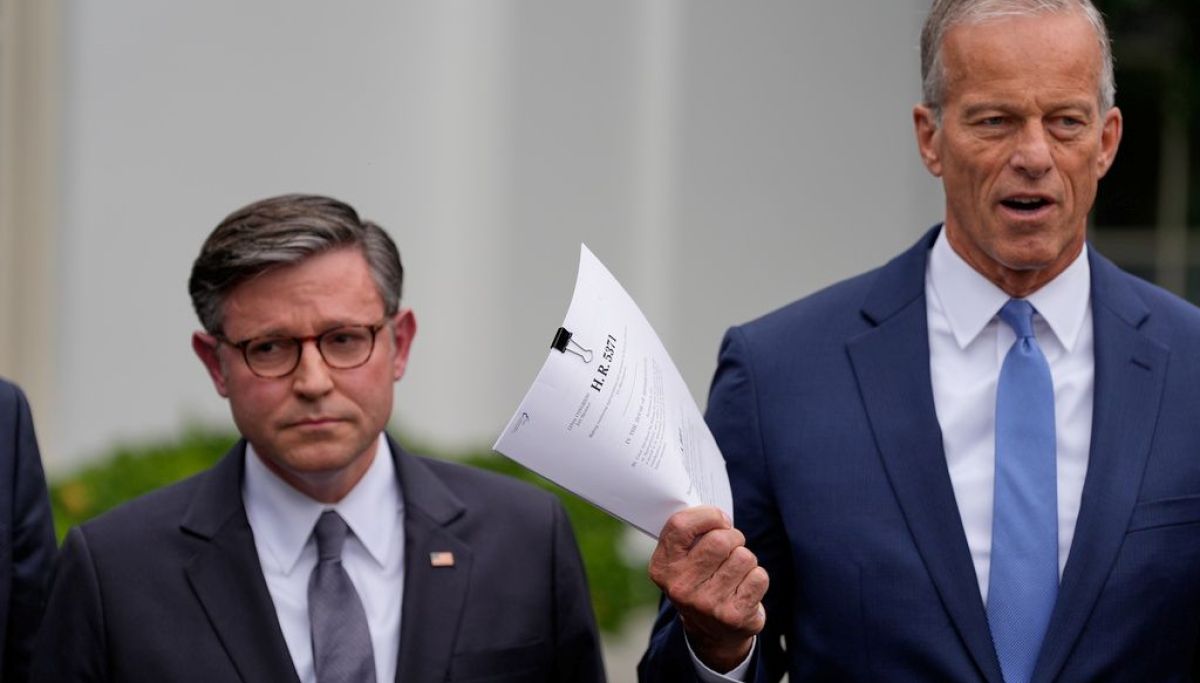
Trump at 32% Approval as Gas Prices Test GOP Midterm Hopes
NYT/Siena polling showed Trump's approval at historic lows around 32 percent with Democrats leading by double digits in key districts. Early voting has surged in battleground states.

Record Early Voting Hits Battlegrounds, Shifting Partisan Shares
AP analysis found hundreds of thousands more early ballots than in 2022 in states including Texas, Ohio, Kansas, Maine, and North Carolina, shifting partisan dynamics.
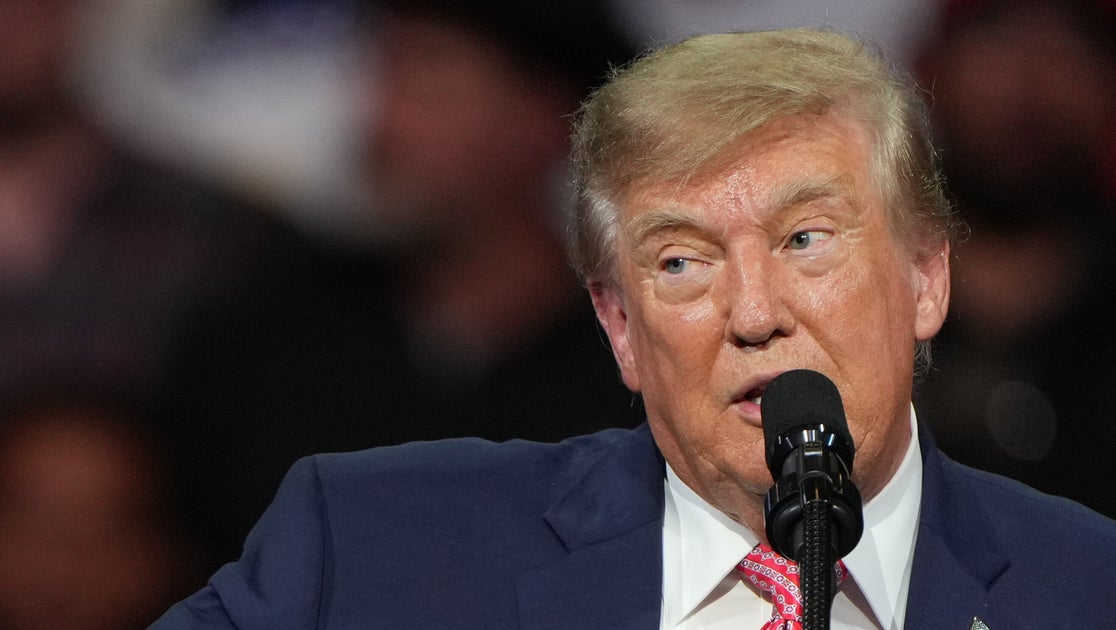
Trump Backs Marshall in Kansas Senate Race Tightened by Farm Costs
President Trump rallied in deep-red Kansas for GOP Sen. Roger Marshall in a competitive race, announcing an $8 billion farm fuel relief program amid high diesel prices. Democrats see an opening to end 94 years of GOP dominance in the state.

Trump Pauses Russia Sanctions Amid Ukraine Tensions and Missile Strikes
Trump waived sanctions on Russia and floated trilateral talks with Putin and Xi as part of ending the Ukraine war, while tensions rose with Zelenskyy over Starlink and arms. Bipartisan senators engaged Zelenskyy amid the shifts.
The Compass
You just read five takes on one story.
What's your take? Find your political shape in a few minutes.
Take the test