
Redistricting Wars Tilt House Odds as Midterms Near

Cover image from washingtonexaminer.com, which was analyzed for this article
Democrats eye Senate control targeting GOP seats as Trump polls show toxicity for Republicans. GOP pushes redistricting and court wins to secure House majority. Strategies intensify ahead of November contests.
PoliticalOS
Friday, May 15, 2026 — Politics
Redistricting has produced a near-level House playing field that may limit Democratic gains even if national conditions favor the opposition. Voters should watch final litigation outcomes and turnout in the 18 toss-up districts. The November result will test whether map changes can overcome the historical midterm penalty for the president's party.
What outlets missed
Most coverage omitted Cook Political Report's full May 2026 ratings showing only 18 toss-ups and a near-parity baseline before recent maps. Few outlets detailed ongoing lawsuits against Florida and Texas maps alleging minority vote dilution. No piece aggregated verified net seat projections across all states or noted that some Republican maps risk diluting their own incumbents by spreading Democratic voters. Primary delays in Louisiana and procedural reversals in Virginia received uneven attention relative to their impact on voter confusion and turnout.
Trump Faces Mounting Headwinds as GOP Scrambles to Counter His Drag on Midterms
Republicans confronting the 2026 midterms are confronting an uncomfortable reality about President Donald Trump’s standing with voters, even as they pursue aggressive redistricting maneuvers to protect their narrow House majority. New polling shows Trump’s disapproval rating on gas prices reaching 79 percent overall, including 52 percent among Republicans themselves, a figure that analysts describe as deeply concerning for the party’s prospects.
The numbers come as some vulnerable GOP candidates privately question the wisdom of leaning into the “MAGA majority” slogan, fearing it ties them too closely to a president whose personal brand remains toxic in key swing districts. The hesitation reflects broader worries that Trump’s unpopularity, fueled by persistent inflation and fresh disclosures about his business dealings, could suppress turnout and hand Democrats unexpected openings.
Redistricting fights have added another layer of complexity. After Democrats secured a favorable map overhaul in California that could net them up to a dozen additional seats over multiple cycles, Republicans responded with their own mid-decade redraws in states including Texas and North Carolina. Those efforts, pushed at Trump’s urging, aim to deliver five or more new GOP-leaning districts, though analysts note the gains could evaporate if the 2024 surge among Latino voters reverses. Court rulings have meanwhile delivered mixed results, with some maps favoring Democrats in Utah while others in Virginia and at the Supreme Court have slowed Democratic momentum.
The combination leaves both parties in a defensive posture. Republicans are banking on structural advantages and the historical tendency for the opposition to underperform in special elections, yet they cannot ignore Trump’s cratering support among independents and even some of his own voters on pocketbook issues. Democratic strategists, for their part, see opportunities in districts Republicans once viewed as safe, particularly those with growing Latino populations.
New modeling from Democratic groups highlights several such targets, including seats in Texas, California, New York, Colorado, and Nevada. In Texas alone, heavily Latino districts that Republicans carried comfortably in 2024 could tighten or flip if recent polling trends hold, with shifts of ten points or more toward Democrats already visible in off-year contests in New Jersey and Virginia. Candidates like Bobby Pulido in Texas’s 15th District are testing whether the rightward drift among Latino voters was a one-time phenomenon tied to specific 2024 dynamics rather than a lasting realignment.
The stakes are clearest in the House, where Republicans hold a slim edge after 2024. Traditional midterm patterns suggest the president’s party should lose seats, and Trump’s job approval hovering near or below 40 percent would normally accelerate that trend. Yet redistricting and the narrowing of the overall partisan gap in voter identification have given GOP operatives reason to believe they can blunt the damage. Whether those tools prove sufficient depends heavily on whether Trump’s liabilities continue to intensify or whether Republicans can successfully nationalize other issues.
For Democrats, the path back to the majority runs through both legal and electoral pressure on the new maps while capitalizing on economic discontent. The coming months will test whether voter frustration with prices and governance outweighs the structural barriers Republicans have erected on the map.
You just read Progressive's take. Want to read what actually happened?
More in Politics
Trump at 32% Approval as Gas Prices Test GOP Midterm Hopes
NYT/Siena polling showed Trump's approval at historic lows around 32 percent with Democrats leading by double digits in key districts. Early voting has surged in battleground states.

Record Early Voting Hits Battlegrounds, Shifting Partisan Shares
AP analysis found hundreds of thousands more early ballots than in 2022 in states including Texas, Ohio, Kansas, Maine, and North Carolina, shifting partisan dynamics.
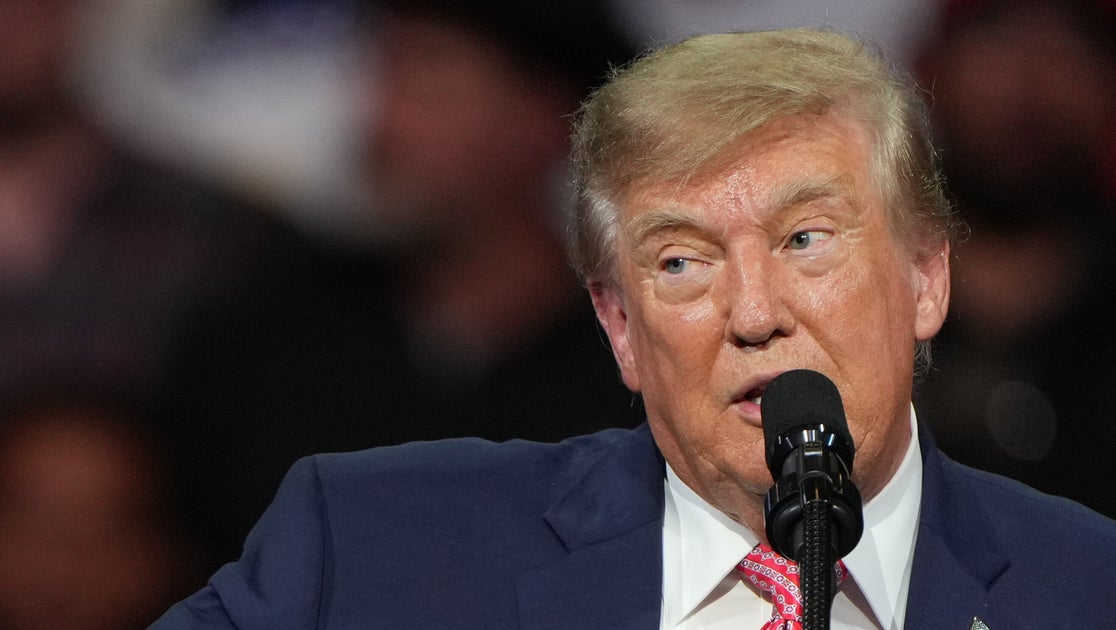
Trump Backs Marshall in Kansas Senate Race Tightened by Farm Costs
President Trump rallied in deep-red Kansas for GOP Sen. Roger Marshall in a competitive race, announcing an $8 billion farm fuel relief program amid high diesel prices. Democrats see an opening to end 94 years of GOP dominance in the state.

Trump Pauses Russia Sanctions Amid Ukraine Tensions and Missile Strikes
Trump waived sanctions on Russia and floated trilateral talks with Putin and Xi as part of ending the Ukraine war, while tensions rose with Zelenskyy over Starlink and arms. Bipartisan senators engaged Zelenskyy amid the shifts.
The Compass
You just read five takes on one story.
What's your take? Find your political shape in a few minutes.
Take the test