
Michigan Primary Tests Progressive Push in Senate Race

Cover image from theintercept.com, which was analyzed for this article
The progressive candidate faces Islamophobic attacks from both parties as he seeks the Democratic nomination. His bid could signal the party's direction ahead of 2028.
PoliticalOS
Monday, July 27, 2026 — Politics
The Michigan primary shows a progressive candidate drawing heavy outside opposition and personal attacks while the establishment candidate largely avoids direct policy engagement. Voters must weigh whether the documented attacks reflect legitimate concerns about associations and record or attempts to sidestep substantive differences on health care and foreign aid.
What outlets missed
Free Beacon documented Terpstra’s Nerium work and El-Sayed’s medical credentials but provided no evidence he knew of her prior promotions. New Republic and Intercept both used the unattributed line “Israel comes to me in my dreams” for Stevens without citing a primary source. Spending totals varied across reports, with Intercept citing nearly $30 million while contemporaneous Michigan coverage placed the figure closer to $15 million. None of the outlets examined El-Sayed’s actual polling numbers or voter turnout models in Dearborn and surrounding areas.
Michigan Democrats will choose their Senate nominee on August 4 in a contest that highlights tensions between the party’s progressive wing and its establishment leadership. The outcome could influence how Democrats approach foreign policy and economic messaging ahead of the 2028 cycle.
Abdul El-Sayed, 41, a former Detroit health director and 2018 gubernatorial candidate, faces Rep. Haley Stevens in the primary. El-Sayed has emphasized Medicare for All, reduced military aid to Israel, and criticism of corporate influence. Stevens, who represents suburban Detroit, has drawn support from party leaders and outside groups focused on pro-Israel positions. A third candidate, state Sen. Mallory McMorrow, withdrew without endorsing either.
Outside spending has exceeded $15 million, according to multiple reports, with the largest share from the United Democracy Project, an AIPAC-linked super PAC. El-Sayed has faced repeated attacks over his comments on Iran policy and associations with progressive figures. On a leaked call after the February assassination of Ali Khamenei, El-Sayed noted that many residents in Dearborn, home to a large Muslim community, were saddened. CNN host Jake Tapper pressed him on the remark during a July 19 interview. Stevens surrogates, including Rep. Hillary Scholten, have linked El-Sayed to other candidates who later faced allegations, though records show only joint fundraising emails rather than joint campaign events.
El-Sayed’s operations director, Tara Terpstra, previously promoted supplements from Nerium, a company accused in lawsuits and by the FTC of operating a pyramid scheme and making unsubstantiated health claims, including that its EHT product could treat Alzheimer’s. A federal judge ruled in 2023 that Nerium was not a pyramid scheme under federal law. El-Sayed has publicly criticized medical misinformation and unproven remedies; no public evidence shows he knew of Terpstra’s earlier work when he hired her in 2016. El-Sayed holds an M.D. and Ph.D. but has never completed residency and does not hold a license to practice clinical medicine.
Stevens has stated she does not share views expressed by some supporters who questioned El-Sayed’s background in personal terms. El-Sayed has urged his own supporters to avoid personal attacks on Stevens. Both candidates have traded accusations over character and associations rather than detailed policy exchanges on health care costs or economic development.
The race has drawn national attention because El-Sayed’s platform aligns with positions that gained ground among Democratic primary voters in other states this cycle. Whether those positions can prevail in a general-election swing state remains the central unresolved question.
More in Politics

Federal Agents Search Omar Home in Ongoing Immigration Probe
Homeland Security agents searched the Minnesota Democrat's DC residence in a criminal probe, prompting accusations of political intimidation from Omar and Democratic leaders. Coverage spans left-leaning outlets like NPR, BBC, and The Guardian alongside right-leaning criticism from The Federalist and Daily Wire.

Trump Diesel Import Plan Draws Pushback Over Russia Ties
The weekend agreement drew bipartisan congressional pushback and criticism from Ukraine's Zelenskyy, with analysts downplaying US fuel price impacts. Right-leaning outlets like National Review, Dispatch, and Washington Examiner questioned its legality and effectiveness.

Independents Test Voter Appetite for Middle Ground in 2026 Midterms
Nearly 200 independents are running in competitive races as voters weigh ballot measures on housing costs in states like Massachusetts. Left-leaning coverage from NYT, NPR, and Guardian highlights turnout and key races while right outlets focus on GOP strategy.
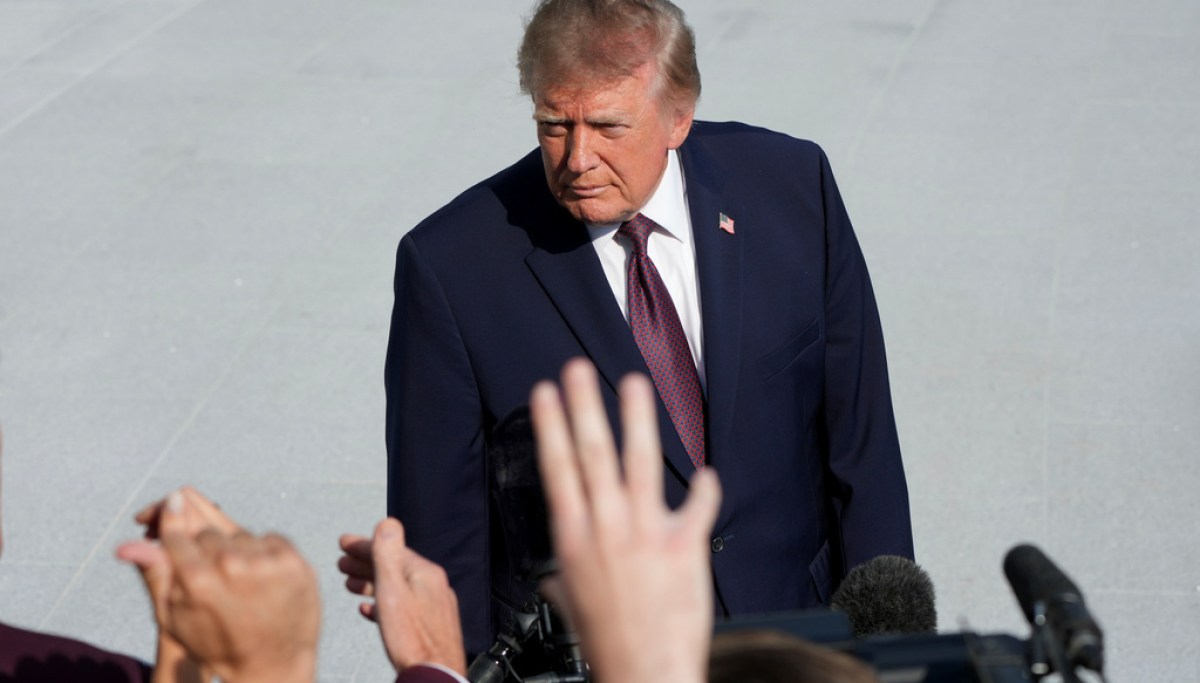
Trump Rallies in Alaska, Ohio to Bolster GOP Senate Candidates
The president rallied in Wasilla for Sen. Dan Sullivan and faced empty seats at an Ohio event amid midterm concerns. Outlets across the spectrum covered the trips as signals of GOP vulnerability weeks before Election Day.
The Compass
You just read five takes on one story.
What's your take? Find your political shape in a few minutes.
Take the test