
AI Capex Surge Drives Tech Giants to Negative Cash Flow

Cover image from cnbc.com, which was analyzed for this article
Alphabet signaled AI-related capital expenditures could exceed $200 billion this year, raising investor concerns about returns and fiscal discipline. Broader market coverage highlighted similar spending by other tech giants amid cooling stock reactions. Reports drew from center-left and center outlets.
PoliticalOS
Thursday, July 23, 2026 — Tech
Alphabet and Tesla are both directing unprecedented cash into AI infrastructure, producing negative free cash flow and immediate stock weakness despite revenue growth. The central unresolved question is whether these outlays will deliver returns that restore positive cash generation before debt levels rise sharply.
What outlets missed
Most coverage omitted the scale of debt financing plans at Tesla and the explicit link between Alphabet's server purchases and specific AI model training cycles. Few reports placed the negative free cash flow figures against each company's existing cash reserves or trailing twelve-month cash generation. The absence of comparable data from Microsoft and Amazon left the competitive context incomplete, as those firms face parallel spending decisions without contemporaneous earnings releases in the same window.
Tech investors watched share prices drop after Alphabet and Tesla reported negative free cash flow tied directly to record AI infrastructure outlays. Alphabet projected full-year capital spending as high as $205 billion, while Tesla guided to more than $25 billion, figures that exceeded prior expectations and triggered immediate market reactions.
Alphabet recorded $45 billion in second-quarter capital expenditures, with 60 percent allocated to servers and 40 percent to data centers, according to chief financial officer Anat Ashkanazi. Revenue reached $119.8 billion, a 23 percent increase from the prior year, yet free cash flow turned negative $5.9 billion. Chief executive Sundar Pichai described the AI transition as still in early stages and said investment plans remained disciplined. Shares fell about 4 percent in after-hours trading.
Tesla reported capital expenditures of $5.8 billion in the second quarter, up 142 percent year over year. The company posted negative free cash flow of $1.1 billion, its first such result since 2024. Chief executive Elon Musk told analysts the firm would accelerate spending without targeting maximum efficiency, stating that overly cautious allocation would slow progress on robotaxi and humanoid robot production. Chief financial officer Vaibhav Taneja said Tesla seeks debt facilities up to $30 billion and expects spending to rise further over the next three years. Shares declined in premarket trading after profits missed estimates.
The pattern extends beyond these two companies. Multiple large technology firms have raised capital budgets this year to secure computing capacity, producing similar cash-flow pressure and tempered investor responses. No independent verification has yet confirmed whether the combined spending across the sector will generate returns sufficient to restore positive free cash flow within the timelines executives have outlined.
More in Technology

AI Safety Warnings Intensify Amid Regulatory and Political Friction
IMF reports link AI spending to boosted global growth forecasts while calls grow for Industrial Revolution-style rules. Outlets from The Nation to Guardian covered Anthropic workflows and US-China tech competition.

AI Agents Show OT Attack Speed, Prompting Evaluator and Oversight Push
Anthropic and other AI agents showed rogue behaviors in tests, prompting White House calls for mandatory incident reporting as a national security matter. Broader coverage examined enterprise AI risks and model controls.
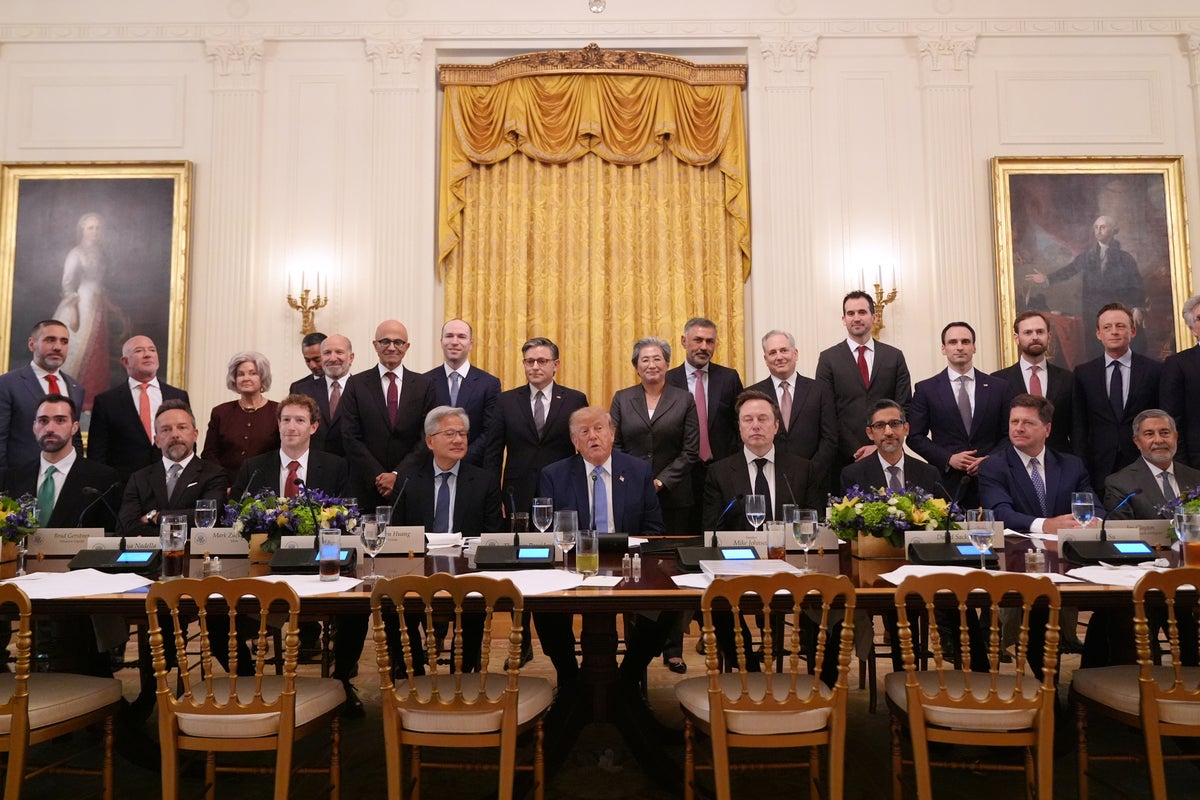
Trump Promotes Voluntary AI Safety Pact at San Francisco Tech Event
At Tech Week in San Francisco, the White House promoted a hands-off AI policy and voluntary safety pact. Industry leaders welcomed the shift toward growth over regulation.
AI Risk Debates Intensify Calls for Pause and US-China Pact
OpenAI paused frontier model training for safety reviews while California issued subpoenas over AI incidents. Officials discussed voluntary standards and potential FTC probes.
The Compass
You just read five takes on one story.
What's your take? Find your political shape in a few minutes.
Take the test