
Data Center Boom Triggers Local Bans Over Grid and Land Strain
Cover image from businessinsider.com, which was analyzed for this article
Dozens of jurisdictions have enacted bans or limits on new AI data centers over power grid strains and land use. Communities weigh economic benefits against infrastructure costs.
PoliticalOS
Saturday, May 16, 2026 — Tech
The decisive factor is whether local governments can secure enough ongoing tax revenue to cover grid upgrades and land-use impacts before political pressure produces more bans. Federal permitting changes have sped approvals, yet community opposition is rising faster than the economic offsets are being demonstrated to residents.
What outlets missed
Federal executive orders from 2025-2026 that eased permitting for data centers were omitted by multiple outlets, leaving readers without the regulatory driver behind continued construction. Loudoun County budget data showing data centers generate hundreds of millions in annual tax revenue was absent from opposition-focused pieces, obscuring why local governments approve projects. Verified industry figures on gigawatts of capacity and state-level project pipelines were not used to test unverified national construction totals cited in some reports.
Communities nationwide are blocking or restricting new AI data centers as electricity demand surges and farmland disappears. The pushback pits promised tax revenue and jobs against higher utility bills, noise, and lost open space.
Dozens of jurisdictions have passed limits or outright bans in the past year. Virginia hosts the largest concentration of facilities in the world, with Amazon centers built as close as 50 feet from homes in Aldie. In Vineland, New Jersey, residents learned of a project only after construction began and now cite rising power costs and difficulty selling property.
A Gallup poll released in May 2026 found 70 percent of Americans oppose a data center in their area, up 18 points from March. Nearly half said they were strongly opposed. Local officials in Loudoun County, Virginia, report data centers supply roughly 40 percent of the county budget through taxes, giving governments a direct fiscal incentive to approve projects despite resident complaints.
Federal policy has accelerated approvals. Executive orders issued in 2025 and 2026 streamlined permitting and shortened environmental reviews for data-center construction. These steps contradict portrayals of federal inaction. Industry estimates of more than 4,000 centers already built and 2,000 under construction could not be independently verified against national capacity data.
The core unresolved tension is whether localities can capture enough revenue to offset infrastructure costs before residents force further restrictions. Some counties have negotiated tax agreements; others face court challenges near historic sites such as Manassas National Battlefield Park. Without transparent cost-benefit accounting, the pattern of rapid approvals followed by sudden local bans is likely to continue.
More in Technology
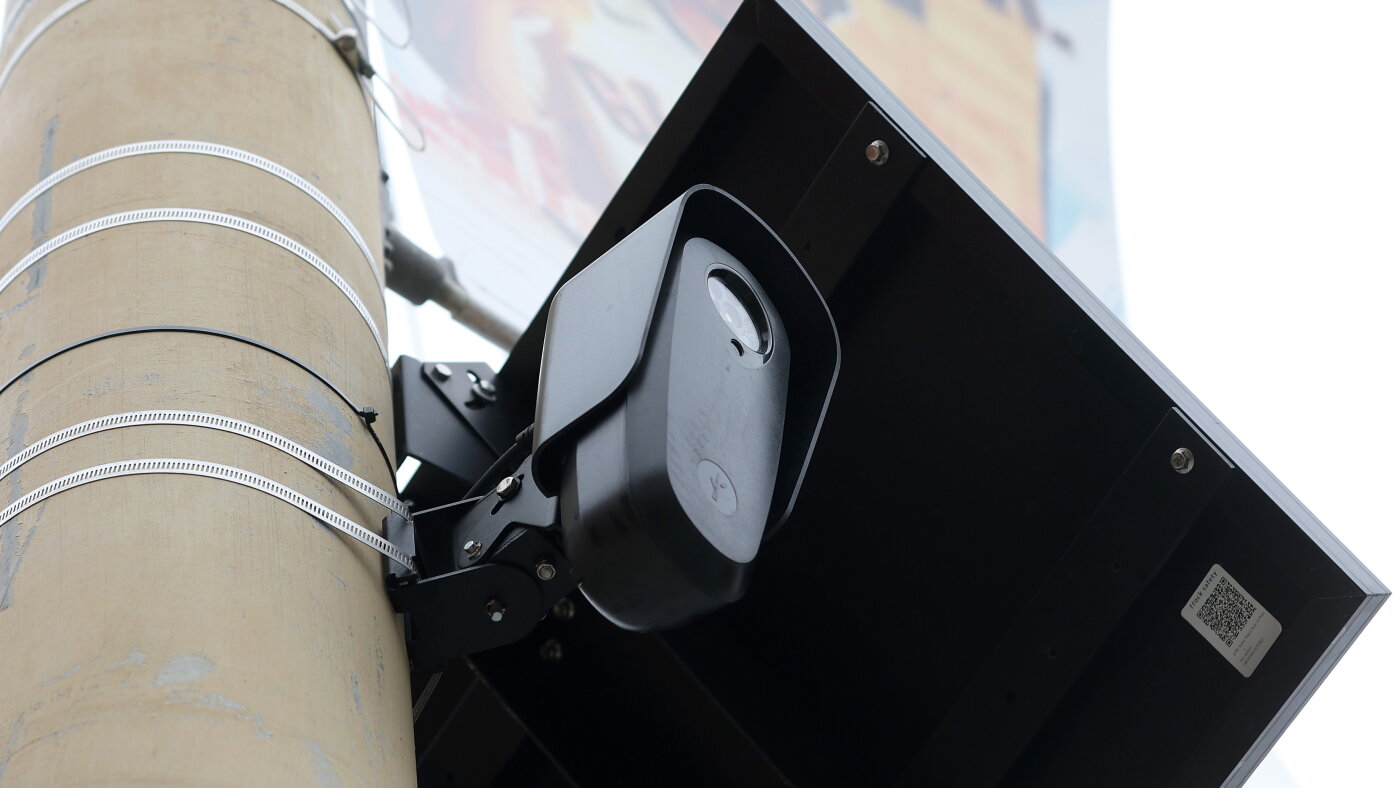
Flock Cameras Tied to San Francisco Crime Drop as Privacy Bills Advance
City officials credit Flock surveillance technology with sharp declines in vehicle crimes. Progressive lawmakers including Sanders and Ocasio-Cortez introduced bills to restrict the systems.

Trump, AI Leaders Sign Voluntary Safety Accord
Tech CEOs including Musk and Zuckerberg signed a White House voluntary AI safety pact; Trump favored self-policing over new regulations amid ongoing FTC probes into consumer risks.

Trump Signs Voluntary AI Safety Accord at White House Summit
Tech executives signed a morally binding voluntary agreement for AI reviews and safeguards at the White House. Trump also pushed rebranding AI as super intelligence and launched the America.gov AI portal.

OpenAI Rolls Out 'Dots' Agent While Delaying Advanced Model Over Safety
Sam Altman introduced the always-on AI assistant at a developer event while shelving a more advanced model over researcher safety warnings. The move competes with offerings from Meta and others.
The Compass
You just read five takes on one story.
What's your take? Find your political shape in a few minutes.
Take the test