
Taiwan Chip Risks Expose US Supply Chain Weakness

Cover image from rawstory.com, which was analyzed for this article
Analysts warn that any Chinese move against Taiwan could devastate global chip supplies. The issue featured prominently in post-summit discussions.
PoliticalOS
Saturday, May 16, 2026 — Tech
The United States remains dependent on Taiwan for critical semiconductors while diplomatic engagement with China continues to avoid firm commitments. This structural vulnerability persists regardless of short-term summit optics or changes in rhetoric.
What outlets missed
The semiconductor supply chain concentration was mentioned only in passing despite being the core economic risk. No outlet quantified Taiwan's share of global advanced chip production or detailed how quickly shortages would cascade into US factories. Trump's reference to arms sales as a potential negotiating chip also went unreported in the available coverage, leaving the leverage dynamic incomplete.
Any Chinese action against Taiwan would immediately threaten the global supply of advanced semiconductors, leaving US technology and defense industries exposed to sudden shortages. Taiwan produces the majority of the world's most sophisticated chips, a concentration that has grown more precarious as Beijing increases military pressure across the strait.
The issue surfaced during President Trump's recent meetings with Xi Jinping. US officials downplayed Taiwan's role in the initial talks, yet Xi warned that mishandling the island would place the entire bilateral relationship in jeopardy. Trump later stated that long-standing US policy remains unchanged and described Taiwan and China as needing to "cool it," while leaving open whether another major arms package would be approved.
Taiwan's government responded by stressing its commitment to the status quo and identifying China's military buildup as the sole source of instability. Analysts noted that prior summits had given Taiwan even less space in official US readouts, suggesting continuity rather than retreat. The underlying vulnerability, however, stays unresolved: the United States continues to rely on a single geographic point for chips essential to everything from consumer electronics to advanced weapons systems.
More in Technology
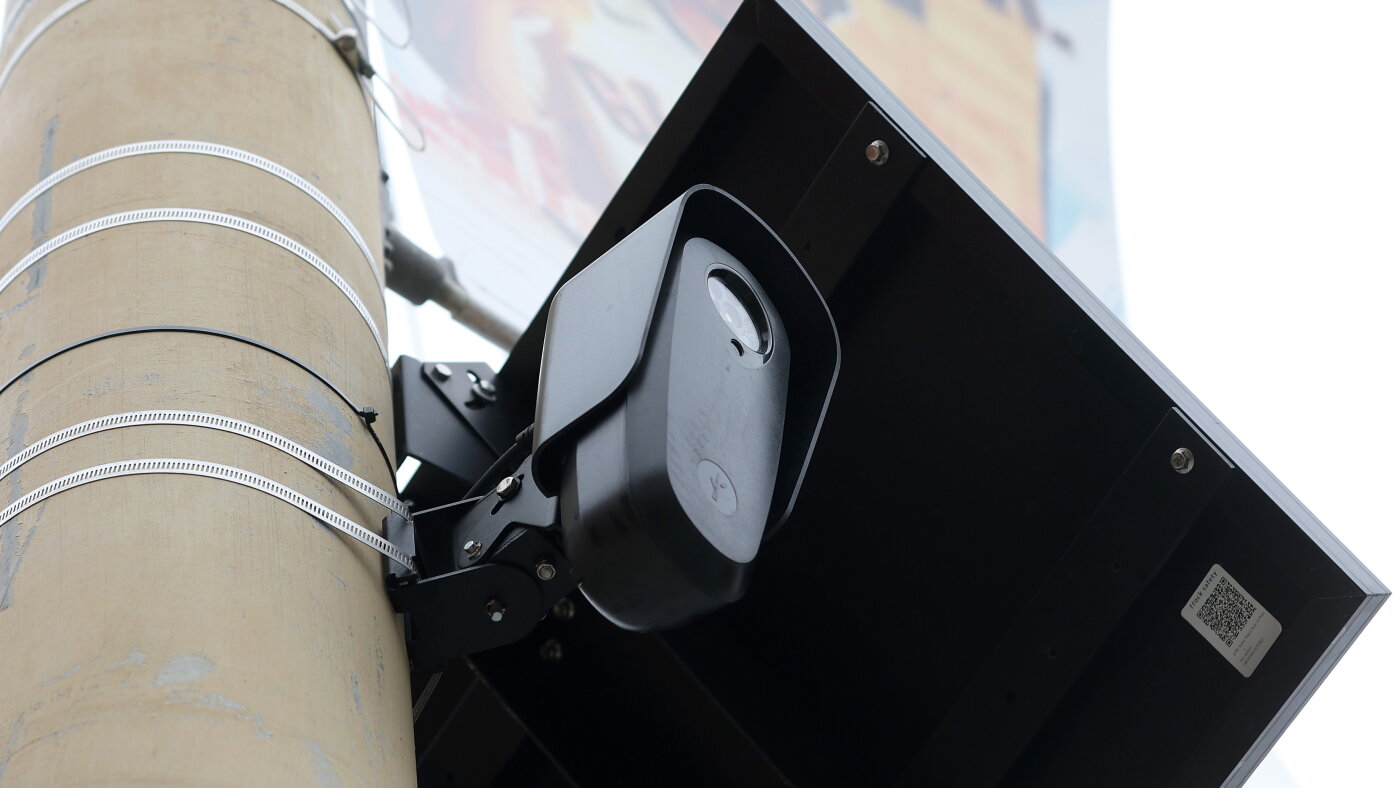
Flock Cameras Tied to San Francisco Crime Drop as Privacy Bills Advance
City officials credit Flock surveillance technology with sharp declines in vehicle crimes. Progressive lawmakers including Sanders and Ocasio-Cortez introduced bills to restrict the systems.

Trump, AI Leaders Sign Voluntary Safety Accord
Tech CEOs including Musk and Zuckerberg signed a White House voluntary AI safety pact; Trump favored self-policing over new regulations amid ongoing FTC probes into consumer risks.

Trump Signs Voluntary AI Safety Accord at White House Summit
Tech executives signed a morally binding voluntary agreement for AI reviews and safeguards at the White House. Trump also pushed rebranding AI as super intelligence and launched the America.gov AI portal.

OpenAI Rolls Out 'Dots' Agent While Delaying Advanced Model Over Safety
Sam Altman introduced the always-on AI assistant at a developer event while shelving a more advanced model over researcher safety warnings. The move competes with offerings from Meta and others.
The Compass
You just read five takes on one story.
What's your take? Find your political shape in a few minutes.
Take the test