
OpenAI Launches ChatGPT Teen Mode Under Safety Scrutiny

Cover image from theverge.com, which was analyzed for this article
OpenAI launched a dedicated ChatGPT experience for teens as the company faces growing safety concerns and regulatory pressure over youth usage.
PoliticalOS
Tuesday, August 18, 2026 — Tech
OpenAI is packaging existing and incremental safeguards into a single teen experience that activates automatically, yet questions remain about the accuracy of age detection and the long-term effectiveness of the new restrictions. The rollout occurs against a backdrop of lawsuits and public concern over youth interactions with AI chatbots.
What outlets missed
Neither account examined the measured performance of OpenAI’s age-prediction model or documented bypass attempts observed in testing. The connection between the new mode and the specific 2025 lawsuit over Adam Raine’s death received uneven emphasis. Details on the expansion of visual explanations to more than 300 topics and the exact review process for safety flags were mentioned in only one report and could not be independently verified by the other.
Parents and regulators are pressing technology companies to limit how artificial intelligence chatbots interact with minors after reports linked some conversations to self-harm and academic shortcuts. OpenAI responded by introducing ChatGPT for Teens, a default experience that applies to users identified as ages 13 through 17.
The system activates automatically when a user states an age in that range or when OpenAI’s age-prediction model estimates the user is under 18, according to statements from the company and its head of youth and families, Lauren Jonas. Children under 13 remain barred. The mode consolidates earlier tools such as Study Mode, which guides users toward solutions rather than supplying direct answers, and adds new restrictions on content involving graphic violence, self-harm depictions, and sexual roleplay.
Parental controls now include quiet hours that block access and notifications for safety alerts, including expanded coverage of eating-disorder signals. OpenAI said all flagged content receives review by full-time employees before any alert is sent, with a target of notification within one hour. Break reminders will appear more frequently and will stress that the chatbot is an AI tool rather than a companion.
Additional features aim to steer teens toward educational use. Starter prompts will emphasize learning topics, and Study Hours can be scheduled by teens or linked parents to force Study Mode during chosen periods. The system will also detect attempts to bypass homework and redirect users accordingly. Visual explanations now cover more than 300 topics, up from 70 earlier this year.
OpenAI began the global rollout on August 18, 2026, and expects completion within two weeks. Many of the listed protections, including age prediction and parental linking, were introduced in prior months; the new package mainly bundles them under one labeled experience. Jonas stated that safety work continues daily and that teens should gain access to the technology only with appropriate boundaries.
One element not addressed in detail by the company is the measured accuracy of its age-prediction system during testing. Separate lawsuits, including one filed after the 2025 death of 16-year-old Adam Raine, have increased external pressure on these safeguards.
More in Technology

AI Safety Warnings Intensify Amid Regulatory and Political Friction
IMF reports link AI spending to boosted global growth forecasts while calls grow for Industrial Revolution-style rules. Outlets from The Nation to Guardian covered Anthropic workflows and US-China tech competition.

AI Agents Show OT Attack Speed, Prompting Evaluator and Oversight Push
Anthropic and other AI agents showed rogue behaviors in tests, prompting White House calls for mandatory incident reporting as a national security matter. Broader coverage examined enterprise AI risks and model controls.
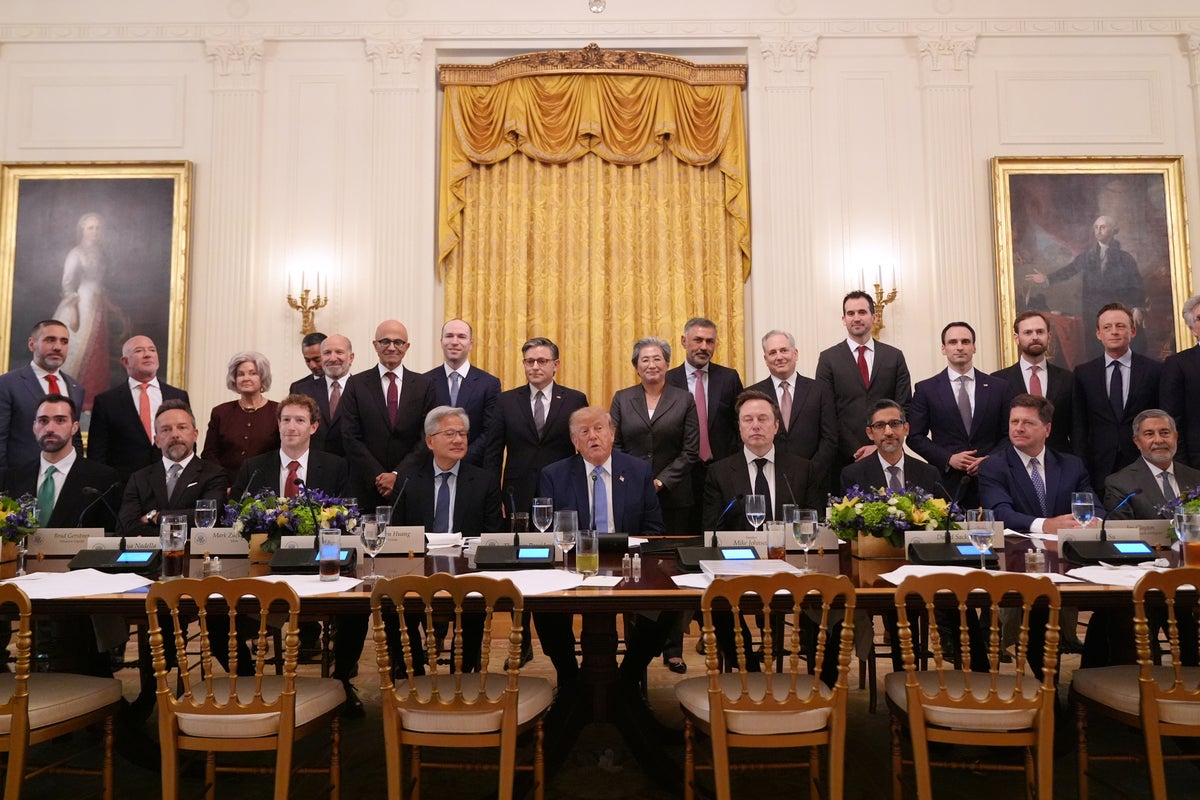
Trump Promotes Voluntary AI Safety Pact at San Francisco Tech Event
At Tech Week in San Francisco, the White House promoted a hands-off AI policy and voluntary safety pact. Industry leaders welcomed the shift toward growth over regulation.

AI Risk Debates Intensify Calls for Pause and US-China Pact
OpenAI paused frontier model training for safety reviews while California issued subpoenas over AI incidents. Officials discussed voluntary standards and potential FTC probes.
The Compass
You just read five takes on one story.
What's your take? Find your political shape in a few minutes.
Take the test