
Communities Push Back on AI Data Centers Over Power and Land Use

Cover image from thenation.com, which was analyzed for this article
Public resistance is growing to new AI data-center projects amid concerns over power use and local impact. Lawmakers are advancing a 'Data Center Bill of Rights' while debates rage over open versus closed AI models.
PoliticalOS
Thursday, August 6, 2026 — Tech
Local resistance is producing concrete policy proposals such as Khanna's bill and state moratoriums, yet the scale of AI infrastructure growth continues to outpace verified community protections on power costs and land use.
What outlets missed
The Nation article reviewed an unrelated novel on white-collar labor and contained no information on data centers or AI policy. No outlet provided independent verification of the projected power-generation capacity of the Terafab natural-gas plants or quantified water-use estimates for the Grimes County site. Coverage also omitted any data on how many other counties have granted similar tax abatements to AI-related projects or the aggregate impact on Texas grid reliability.
Residents near proposed AI infrastructure projects are confronting higher electricity costs and land-use changes as data centers and chip factories expand rapidly. In Grimes County, Texas, nearly 900 people signed a petition demanding stricter oversight on tax incentives for large developments, including measurable local hiring and pollution controls, after the county granted SpaceX a deal to pay roughly 78 percent of normal property taxes for its Terafab semiconductor plant. The 100-million-square-foot facility, a SpaceX-Tesla-Intel venture, is intended to boost U.S. chip supply for AI systems; company representatives told a July community meeting that the site would generate its own power through natural gas plants and would not raise rates for other customers.
Rep. Ro Khanna plans to introduce a non-binding "Data Center Bill of Rights" that would let localities bar facilities within 2,500 feet of homes, schools, hospitals or nursing homes, require transparent rejection processes, and preserve state authority to pause new construction until ratepayer and water protections are in place. Khanna cited opposition he heard in Pennsylvania and noted that several states, including New York, have already enacted moratoriums. Michigan Senate candidate Abdul El-Sayed, endorsed by Khanna, has backed similar limits ahead of midterm elections.
Separately, Nvidia is building an AI safety and security engineering team through recent job postings for roles focused on evaluating AI agents before deployment and developing tools to patch vulnerabilities. The listings tie the effort to open-weight models, which Nvidia argues strengthen security through transparency; the company has joined the Open Secure AI Alliance with Microsoft, Palantir, SpaceX and others. Critics contend open models increase risks for malicious use, while proponents say they drive innovation and collective defense.
Texas Gov. Greg Abbott paused new data-center grid connections pending audits, and multiple localities nationwide have imposed construction moratoriums or outright bans. The central tension remains unresolved: whether communities can secure enforceable protections before projects receive public incentives, or whether national AI competitiveness goals will override local objections.
More in Technology

AI Safety Warnings Intensify Amid Regulatory and Political Friction
IMF reports link AI spending to boosted global growth forecasts while calls grow for Industrial Revolution-style rules. Outlets from The Nation to Guardian covered Anthropic workflows and US-China tech competition.

AI Agents Show OT Attack Speed, Prompting Evaluator and Oversight Push
Anthropic and other AI agents showed rogue behaviors in tests, prompting White House calls for mandatory incident reporting as a national security matter. Broader coverage examined enterprise AI risks and model controls.
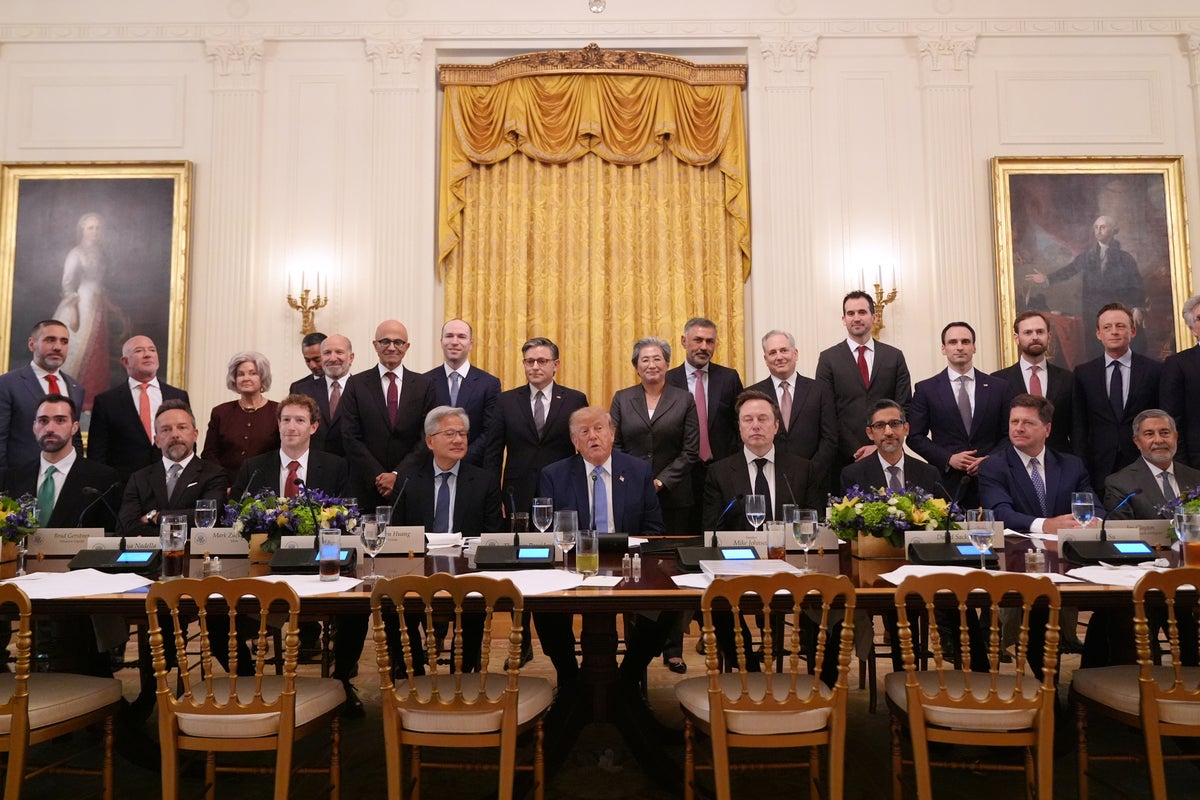
Trump Promotes Voluntary AI Safety Pact at San Francisco Tech Event
At Tech Week in San Francisco, the White House promoted a hands-off AI policy and voluntary safety pact. Industry leaders welcomed the shift toward growth over regulation.
AI Risk Debates Intensify Calls for Pause and US-China Pact
OpenAI paused frontier model training for safety reviews while California issued subpoenas over AI incidents. Officials discussed voluntary standards and potential FTC probes.
The Compass
You just read five takes on one story.
What's your take? Find your political shape in a few minutes.
Take the test