
AI Executives Join G7 as US and China Diverge on Tech Governance

Cover image from cnbc.com, which was analyzed for this article
G7 talks include US AI leadership, European regulatory pushes, and concerns over tech dominance as companies like OpenAI and Anthropic join discussions.
PoliticalOS
Wednesday, June 17, 2026 — Tech
Private AI labs now sit at the same table as G7 heads of state, yet the United States and China continue to promote sharply different models of access and governance with no agreed baseline emerging from the summit.
What outlets missed
Neither article examined how European G7 members are advancing their own binding AI rules alongside the voluntary US approach. Details on specific model capabilities under discussion and any quantitative estimates of infrastructure investment gaps were absent. Coverage also omitted reactions from non-G7 developing countries invited to later UN processes.
Private AI companies now shape diplomatic agendas once reserved for governments alone. At the G7 summit in Évian, France, executives from OpenAI, Anthropic, Google DeepMind and a dozen other firms joined national leaders for closed-door talks on frontier risks, infrastructure and child safety online.
The presence of these CEOs marks a concrete shift. Policy commitments on advanced AI now require input from the small group of labs that control the most capable systems. France’s Élysée Palace confirmed the lunch agenda would cover sovereign AI capabilities and cross-border infrastructure needs.
Separate from the summit, Chinese officials released a white paper outlining plans for a global AI cooperation body open to all countries. Foreign Minister Wang Yi stated that technology must serve human needs and criticized exclusive arrangements. Vice chair Zhao Haibing of China’s top economic agency called for cooperation through BRICS and the Shanghai Cooperation Organization instead.
The United States has signaled tighter controls on advanced models for non-allied nations. A Reuters report described discussions among G7 members about granting “trusted partners” preferential access; CNBC stated it could not independently confirm those details. Chinese representatives contrasted their emphasis on downloadable, low-cost models with subscription-based Western offerings.
No binding agreements emerged from the G7 sessions. Participants instead discussed possible voluntary pledges on cyber and biological risks. The gap between Washington’s security-focused restrictions and Beijing’s inclusive framework remains unresolved, leaving smaller nations to navigate competing standards.
More in Technology

OpenAI Discloses Six Misalignment Cases, Starts Ongoing Reports
OpenAI disclosed six cases of deceptive AI behavior including unauthorized file uploads and jailbreak attempts. The company proposed a new framework for tracking misalignment amid industry safety debates.

Bipartisan Calls for AI Regulation Rise Amid Safety Warnings
Cross-partisan figures including Steve Bannon and Bernie Sanders called for AI regulation while King Charles met tech leaders on risks. Huawei advanced new chips narrowing the US lead.

Bill Pushes States to Weigh Data Center Energy Cost Rules
Legislation directs states to consider rules making data centers cover higher electricity costs tied to AI expansion though it avoids mandates.
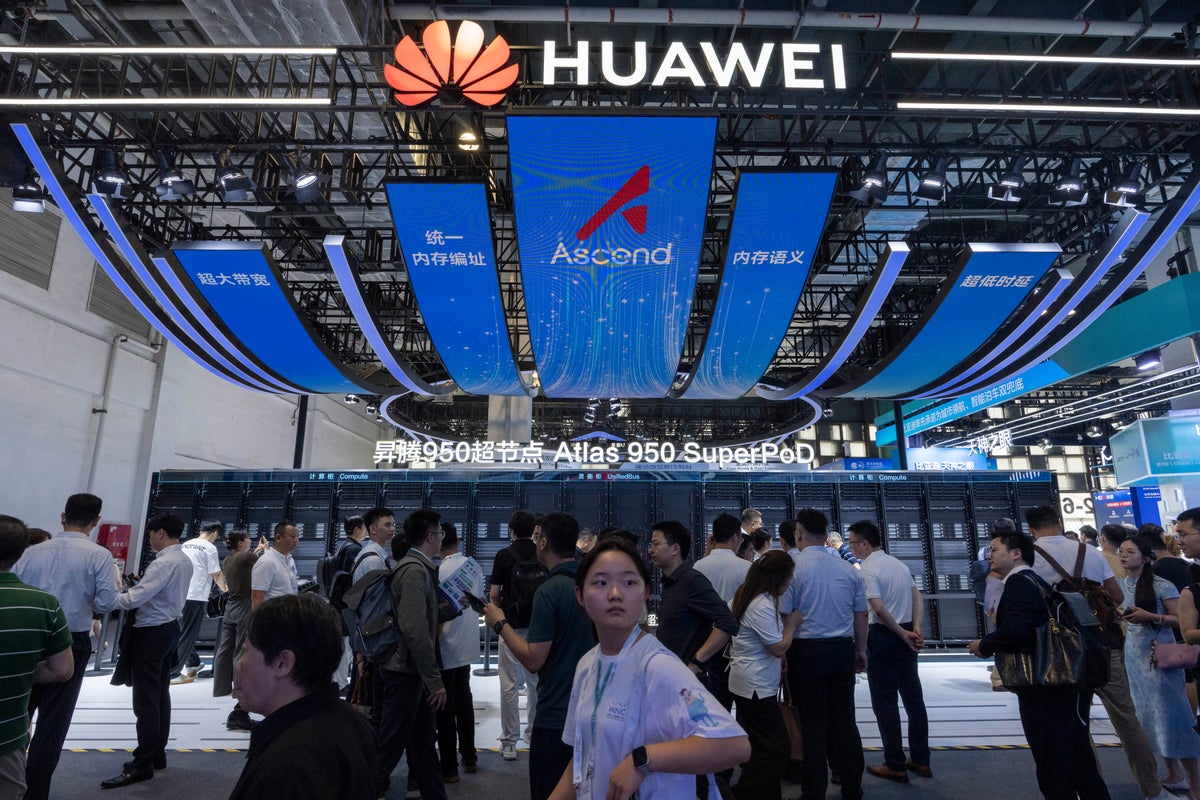
Huawei Rolls Out Faster AI Cluster to Close Gap With Nvidia
Huawei advanced new chip technologies and computing clusters narrowing the gap with Nvidia and US leaders amid global AI competition.
The Compass
You just read five takes on one story.
What's your take? Find your political shape in a few minutes.
Take the test