
US Water Systems Face Growing Cyberattack Risks
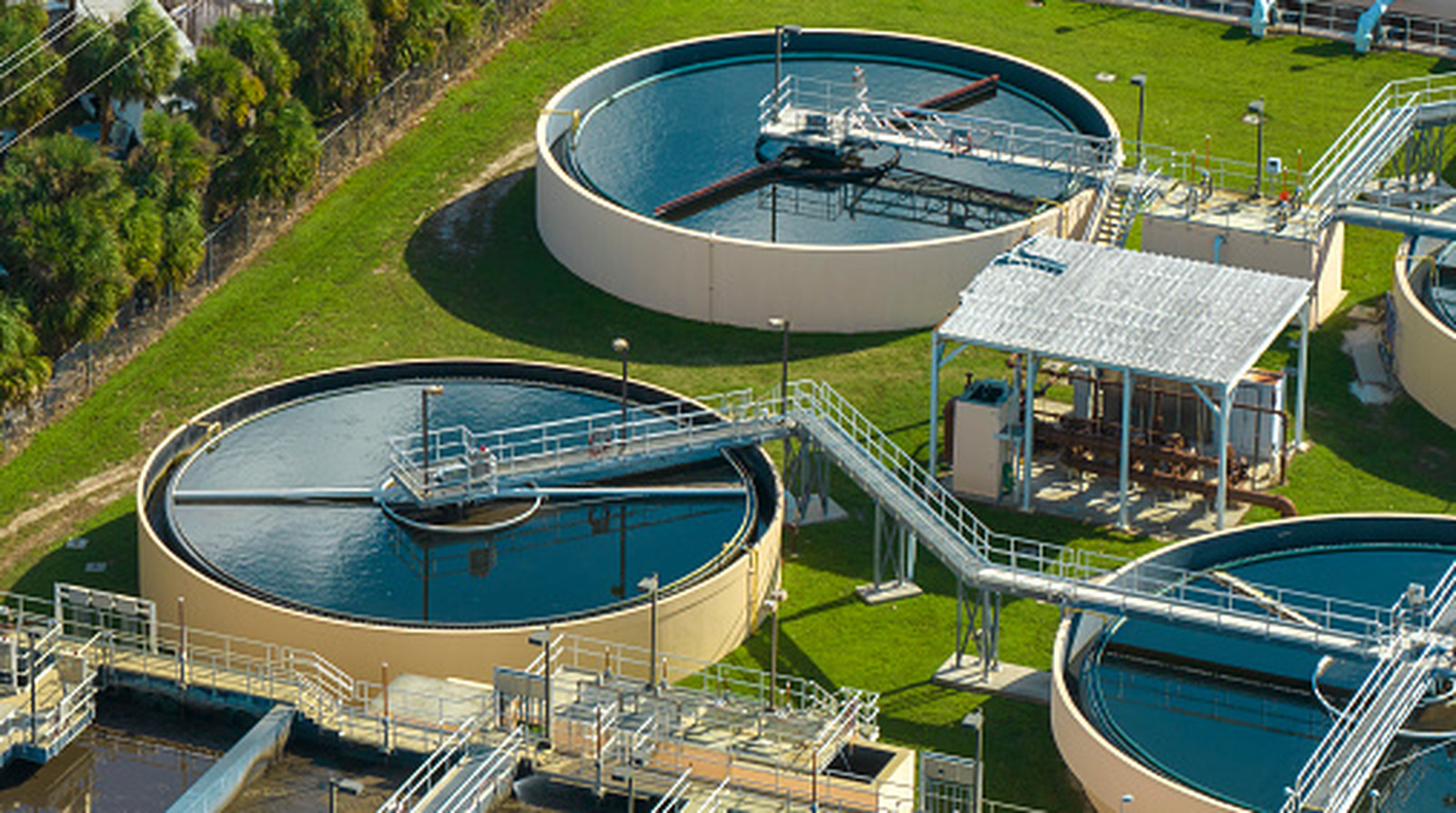
Cover image from engadget.com, which was analyzed for this article
Recent hacks and suspected Iranian activity highlight vulnerabilities in critical water infrastructure nationwide.
PoliticalOS
Saturday, August 1, 2026 — Tech
The two outlets examined provided no usable information on the water system cyberattacks. Readers seeking details on the incidents, their scope, or federal responses must consult other sources that actually reported the events.
What outlets missed
Neither provided outlet delivered any reporting on the water system incidents despite the topic summary. The Dispatch entry contained only a headline and unrelated material, leaving readers without details on affected states or federal assessments. Slate published an unrelated advice column with no connection to infrastructure security. This left core elements such as the number of states involved and technical descriptions of the hacks entirely absent from both sources.
Recent incidents have exposed weaknesses in water treatment and distribution networks across multiple states. Federal agencies have noted attempts to access industrial control systems, with some activity linked by investigators to actors possibly connected to Iran. No successful large-scale disruptions to drinking water supplies have been confirmed, yet the pattern has prompted warnings from cybersecurity officials about the need for stronger protections on aging infrastructure. The incidents involve remote access to programmable logic controllers, a common component in water facilities. Experts emphasize that basic segmentation and monitoring could reduce exposure, though many smaller utilities lack dedicated security staff.
More in Technology

Democratic Wins Heighten Scrutiny of Data Center Expansion
Newly empowered Democrats signaled opposition to rapid AI data center growth on public lands and elsewhere. This contributed to market pressure on chipmakers and infrastructure firms.
Nvidia Faces Added Scrutiny on AI Shipments After Midterms
Nvidia faces increased monitoring of accelerator shipments amid smuggling concerns to China. Broader regulatory uncertainty from the election weighed on the sector.

Google Ties Search Access to AI Opt-In for K-12 Schools
Google will turn its AI tools off by default for K-12 students starting in 2027 and will restrict Search access for schools that fully block AI. The policy reflects deeper integration of AI into core products. Right-leaning New York Post and tech coverage noted the changes.

FBI Ties $6.3 Billion Binance Hack to North Korea; Pyongyang Fires Missiles
The FBI linked the theft of over $6 billion in cryptocurrency from Binance to North Korea's Lazarus Group, citing social engineering. Laundering the funds is expected to take months. Engadget, New York Post, and other outlets reported on the investigation.
The Compass
You just read five takes on one story.
What's your take? Find your political shape in a few minutes.
Take the test