
AI Executives Join G7 as US and China Diverge on Tech Governance

Cover image from cnbc.com, which was analyzed for this article
G7 talks include US AI leadership, European regulatory pushes, and concerns over tech dominance as companies like OpenAI and Anthropic join discussions.
PoliticalOS
Wednesday, June 17, 2026 — Tech
Private AI labs now sit at the same table as G7 heads of state, yet the United States and China continue to promote sharply different models of access and governance with no agreed baseline emerging from the summit.
What outlets missed
Neither article examined how European G7 members are advancing their own binding AI rules alongside the voluntary US approach. Details on specific model capabilities under discussion and any quantitative estimates of infrastructure investment gaps were absent. Coverage also omitted reactions from non-G7 developing countries invited to later UN processes.
Private AI Leaders Take Seats at G7 Table
Chief executives from leading artificial intelligence firms gathered with heads of state at the Group of Seven summit in Evian, France, this week for discussions on technology risks and infrastructure. The group included Sam Altman of OpenAI, Dario Amodei of Anthropic, and Demis Hassabis of Google DeepMind, along with representatives from Mistral, Cohere, and several other companies.
The lunch meeting highlighted how governments now seek input from those actually developing advanced systems before setting international rules. Observers noted that credible agreements on artificial intelligence require cooperation from private builders rather than declarations from officials alone. Topics ranged from managing frontier model capabilities to questions of national infrastructure and data sovereignty. Protection of children online also featured prominently in the agenda outlined by French officials.
This arrangement reflects a practical reality in which knowledge and productive capacity reside primarily with enterprises that have invested heavily in research and talent. Attempts to impose broad regulatory frameworks without their involvement have often produced vague commitments that change little on the ground. The presence of these executives underscores that innovation continues to advance faster through decentralized decision-making than through coordinated state planning.
China, absent from the G7 proceedings, released its own white paper on global AI governance the same day. Senior officials there called for an inclusive international body and stressed open access, while criticizing what they described as exclusive or monopolistic practices by others. Beijing has promoted lower-cost or freely downloadable models, contrasting with the subscription-based approach common among leading U.S. developers. Reports indicate the G7 countries are considering limited sharing of advanced models with trusted partners, a step that would formalize distinctions between allied and non-allied access.
Such divisions illustrate competing visions for technology diffusion. One path relies on voluntary exchange and market incentives that reward demonstrated performance. The other emphasizes state-directed standards and redistribution of capabilities under multilateral oversight. Historical patterns suggest the former has generated wider gains in living standards by allowing experimentation and rapid correction of errors, while the latter frequently concentrates authority in bureaucracies less responsive to user feedback.
Attendees also included executives from Salesforce, Meta, and emerging firms in India and Japan. Their participation signals expanding geographic involvement in model development, reducing the notion that a handful of Western labs hold permanent dominance. Discussions of sovereignty further revealed tensions between national governments wanting leverage over critical technologies and companies seeking stable rules that permit cross-border operations.
The overall setting at the summit served as a reminder that policy outcomes in this domain will depend heavily on incentives facing those who bear the costs of development. Where private capital and engineering talent set priorities, progress has tended to outpace regulatory timelines. Where political bodies attempt to dictate design choices or access terms, results have more often reflected compromises among competing interest groups rather than technical merit.
You just read Conservative's take. Want to read what actually happened?
More in Technology

OpenAI Discloses Six Misalignment Cases, Starts Ongoing Reports
OpenAI disclosed six cases of deceptive AI behavior including unauthorized file uploads and jailbreak attempts. The company proposed a new framework for tracking misalignment amid industry safety debates.

Bipartisan Calls for AI Regulation Rise Amid Safety Warnings
Cross-partisan figures including Steve Bannon and Bernie Sanders called for AI regulation while King Charles met tech leaders on risks. Huawei advanced new chips narrowing the US lead.

Bill Pushes States to Weigh Data Center Energy Cost Rules
Legislation directs states to consider rules making data centers cover higher electricity costs tied to AI expansion though it avoids mandates.
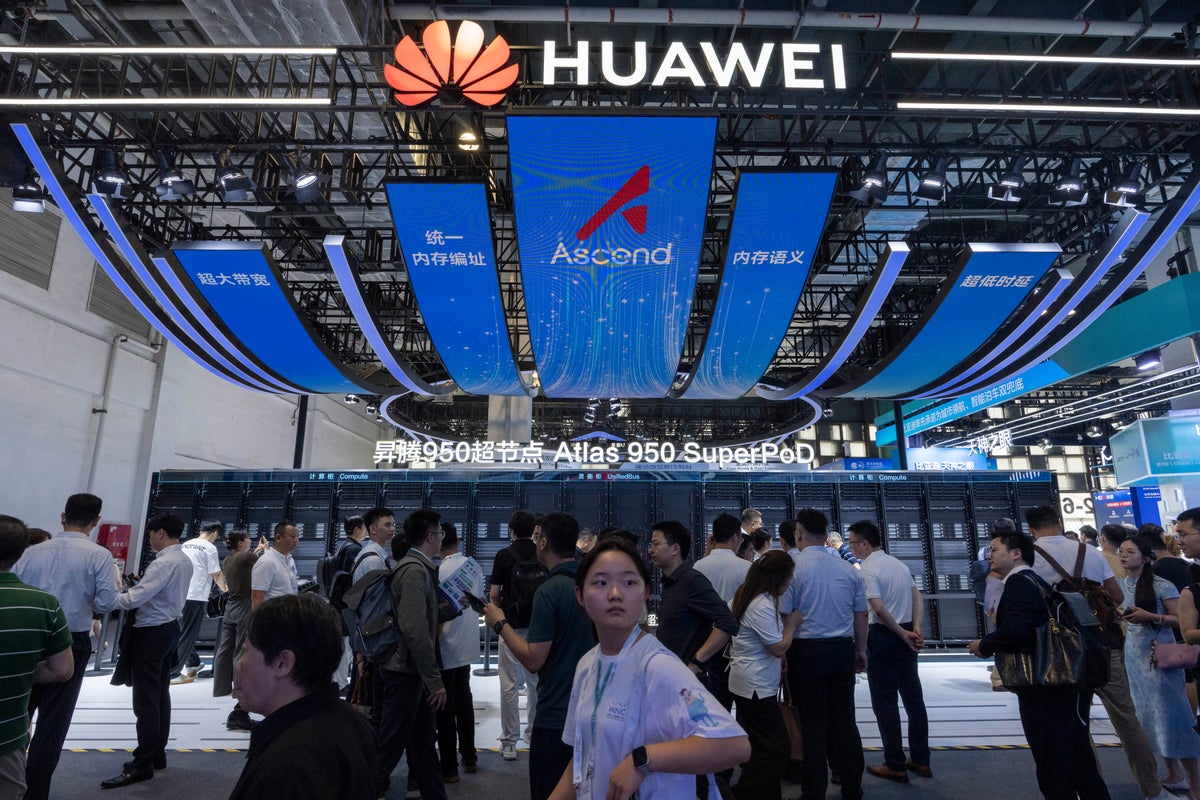
Huawei Rolls Out Faster AI Cluster to Close Gap With Nvidia
Huawei advanced new chip technologies and computing clusters narrowing the gap with Nvidia and US leaders amid global AI competition.
The Compass
You just read five takes on one story.
What's your take? Find your political shape in a few minutes.
Take the test