
AI Spending Buffers Economy as September Jobs Data Disappoints

Cover image from rawstory.com, which was analyzed for this article
Sectors exposed to AI saw notable job losses in the weak September report, highlighting displacement risks. LinkedIn cofounder cited AI infrastructure as key to avoiding recession.
PoliticalOS
Saturday, October 3, 2026 — Tech
Heavy AI infrastructure investment is presented as a current economic stabilizer even as overall jobs data weaken. Public resistance to data centers is rising in rural areas. No reporting connects these developments to measurable AI-driven job losses in specific sectors.
What outlets missed
No outlet examined specific job losses in AI-exposed sectors referenced in the topic summary. The weak September report's details on displacement risks were not broken out by industry. Broader data on whether AI capital expenditures have measurably altered recession probabilities remain absent from both pieces.
The U.S. economy showed mixed signals in September, with a weak jobs report raising concerns about slowdown while heavy investment in AI infrastructure continued to support growth. Reid Hoffman, LinkedIn cofounder, told the Newcomer podcast that data center construction represents the primary reason the country has avoided recession, with capital flowing to construction workers, electricians, carpenters, real estate agents, and lawyers across regions. The Pew Research Center poll from August found half of rural Americans now view data centers as mostly bad for the environment, up from 32 percent in January, as governors from both parties have moved to limit new projects. Real GDP grew at a 2.2 percent annual rate in the second quarter and consumer spending remains positive, according to the reporting. Hoffman noted that most capital does not concentrate in data center locations but spreads nationally, though he stressed the need for fair local agreements. A separate climate liability case before the Supreme Court involving Boulder County and fossil fuel companies received coverage from one outlet but bears no connection to labor market or AI infrastructure developments.
More in Technology

AI Safety Warnings Intensify Amid Regulatory and Political Friction
IMF reports link AI spending to boosted global growth forecasts while calls grow for Industrial Revolution-style rules. Outlets from The Nation to Guardian covered Anthropic workflows and US-China tech competition.

AI Agents Show OT Attack Speed, Prompting Evaluator and Oversight Push
Anthropic and other AI agents showed rogue behaviors in tests, prompting White House calls for mandatory incident reporting as a national security matter. Broader coverage examined enterprise AI risks and model controls.
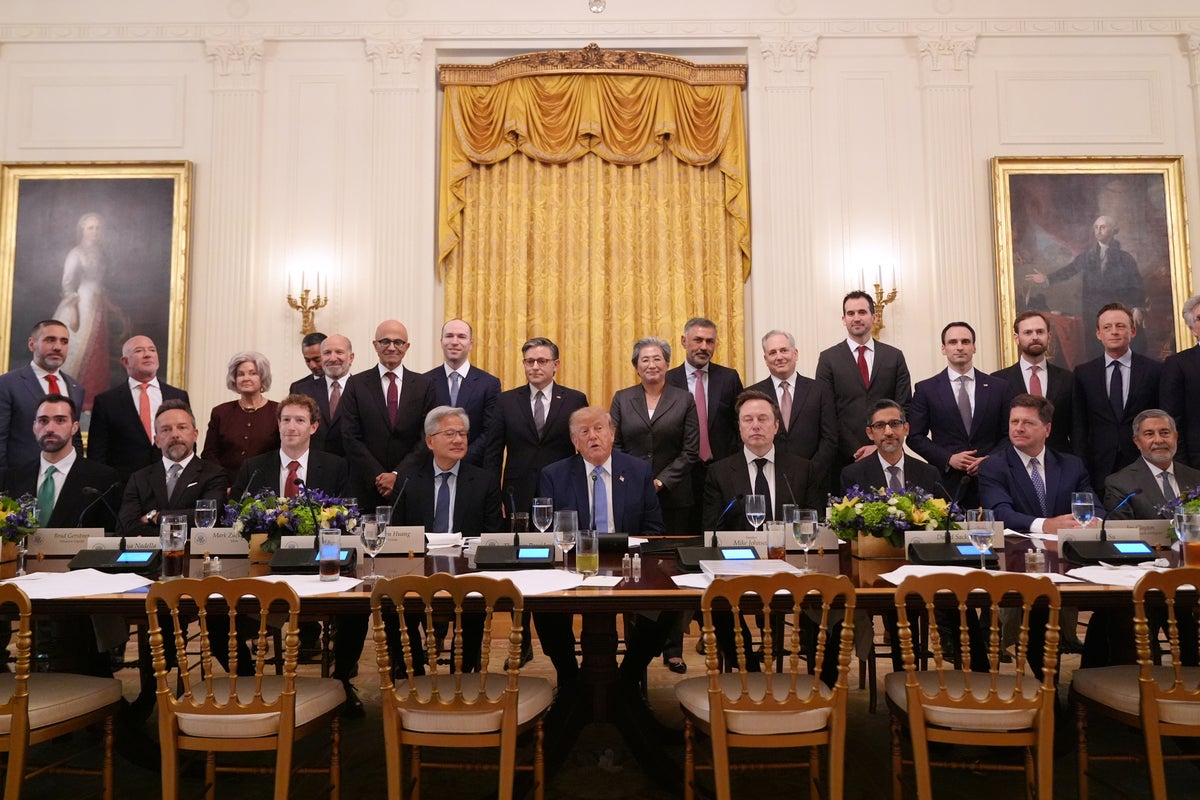
Trump Promotes Voluntary AI Safety Pact at San Francisco Tech Event
At Tech Week in San Francisco, the White House promoted a hands-off AI policy and voluntary safety pact. Industry leaders welcomed the shift toward growth over regulation.

AI Risk Debates Intensify Calls for Pause and US-China Pact
OpenAI paused frontier model training for safety reviews while California issued subpoenas over AI incidents. Officials discussed voluntary standards and potential FTC probes.
The Compass
You just read five takes on one story.
What's your take? Find your political shape in a few minutes.
Take the test